 17 citations
,
June 2019 in “BMC genomics”
17 citations
,
June 2019 in “BMC genomics” Non-coding RNAs help control hair growth in cashmere goats.
 16 citations
,
January 2023 in “Molecular Biomedicine”
16 citations
,
January 2023 in “Molecular Biomedicine” 3D-printed microneedles can precisely regrow hair in targeted areas.
 16 citations
,
February 2007 in “Plastic and Reconstructive Surgery”
16 citations
,
February 2007 in “Plastic and Reconstructive Surgery” Keratinocytes show more TGF-β system activity and collagen production as they age, which might affect wound scarring.
 14 citations
,
June 2018 in “Frontiers in pharmacology”
14 citations
,
June 2018 in “Frontiers in pharmacology” Green tea compound EGCG helps mink hair follicles grow by affecting certain cell growth pathways.
 14 citations
,
January 2008 in “Dermatology”
14 citations
,
January 2008 in “Dermatology” Vitamin D made by the skin plays a role in immune defense and skin health, and more research is needed to understand its full effects.
 13 citations
,
September 2019 in “EBioMedicine”
13 citations
,
September 2019 in “EBioMedicine” sPLA2-IIA increases growth in hair follicle stem cells and cancer cells, suggesting it could be targeted for hair growth and cancer treatment.
 13 citations
,
February 2018 in “Plastic and Reconstructive Surgery”
13 citations
,
February 2018 in “Plastic and Reconstructive Surgery” The study found that a specific signaling pathway helps skin wounds heal faster but may lead to larger scars.
 12 citations
,
October 2020 in “Scientific Reports”
12 citations
,
October 2020 in “Scientific Reports” Necrostatin-1s can promote hair growth and may help treat hair loss.
 12 citations
,
August 2018 in “Journal of Dermatological Science”
12 citations
,
August 2018 in “Journal of Dermatological Science” Scientists made stem cells that can grow hair by adding three specific factors to them.
 12 citations
,
July 2014 in “Journal of Investigative Dermatology”
12 citations
,
July 2014 in “Journal of Investigative Dermatology” Chemotherapy causes complex changes in hair follicle cells that can lead to hair loss.
 11 citations
,
September 2014 in “International Journal of Molecular Sciences”
11 citations
,
September 2014 in “International Journal of Molecular Sciences” Mycophenolate helps reverse hair loss effects caused by IFN-γ by activating a key hair growth pathway.
 10 citations
,
May 2020 in “Journal of Dermatological Treatment”
10 citations
,
May 2020 in “Journal of Dermatological Treatment” Microneedling with 5% minoxidil improves hair loss in Chinese men by activating Wnt/ß-catenin pathway.
 9 citations
,
January 2018 in “Acta dermato-venereologica”
9 citations
,
January 2018 in “Acta dermato-venereologica” A substance called poly(I:C) increases a protein called carbonic anhydrase II in skin cells, which might help with skin defense and healing.
 8 citations
,
March 2020 in “Frontiers in Cell and Developmental Biology”
8 citations
,
March 2020 in “Frontiers in Cell and Developmental Biology” Researchers created immortal human skin cells with constant testosterone receptor activity to study hair loss and test treatments.
 8 citations
,
May 2018 in “The Journal of Allergy and Clinical Immunology”
8 citations
,
May 2018 in “The Journal of Allergy and Clinical Immunology” Activating the Nrf2 pathway reduces inflammation and cell activation in human hair follicles, suggesting a potential treatment for certain hair loss conditions.
 7 citations
,
October 2024 in “Frontiers in Immunology”
7 citations
,
October 2024 in “Frontiers in Immunology” A humanized CXCL12 antibody may delay and treat alopecia areata by altering the immune response.
 7 citations
,
March 2021 in “Journal of animal science/Journal of animal science ... and ASAS reference compendium”
7 citations
,
March 2021 in “Journal of animal science/Journal of animal science ... and ASAS reference compendium” Blocking prolactin increases the activity of secondary hair follicles in cashmere goats.
 5 citations
,
January 2021 in “iScience”
5 citations
,
January 2021 in “iScience” Using a combination of specific cell cycle regulators is better for safely keeping hair root cells alive indefinitely compared to cancer-related methods.
 4 citations
,
January 2025 in “Frontiers in Pharmacology”
4 citations
,
January 2025 in “Frontiers in Pharmacology” Multiomics helps understand and improve skin healing and repair.
 3 citations
,
August 2024
3 citations
,
August 2024 Deep skin fibroblasts help recruit immune cells for better wound healing.
 3 citations
,
October 2022 in “PloS one”
3 citations
,
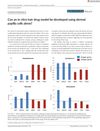
October 2022 in “PloS one” Scientists have developed a method to keep chicken feather follicles alive and structurally intact in a lab for up to a week.
 3 citations
,
February 2021 in “Experimental dermatology”
3 citations
,
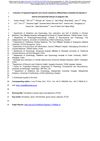
February 2021 in “Experimental dermatology” Dermal papilla microtissues could be useful for initial hair growth drug testing.
 2 citations
,
March 2020 in “bioRxiv (Cold Spring Harbor Laboratory)”
2 citations
,
March 2020 in “bioRxiv (Cold Spring Harbor Laboratory)” HAIR may cause fetal loss by triggering different cell death processes in the uterus and placenta.
 2 citations
,
October 2018 in “Archives of Dermatological Research”
2 citations
,
October 2018 in “Archives of Dermatological Research” Tofacitinib helps mice grow more hair by increasing noggin and BMP4 levels, possibly better than minoxidil.
 June 2026 in “Research Square”
 THBS4 helps hair grow by activating hair follicle stem cells.
 May 2026 in “Scientific Reports”
 Kukui nut oil helps hair and eyelash growth.
 December 2025 in “International Journal of Research in Dermatology”
 The Ayurvedic treatment safely and effectively restores natural hair color by increasing black hair and reducing grey hair.
 November 2025 in “Frontiers in Immunology”
 Stem cell activity influences autoimmune disease outcomes by affecting immune responses and tissue regeneration.
 October 2025 in “Records of Natural Products”
 Kaempferol promotes hair growth and could be a natural treatment for hair loss.
 August 2025 in “Research Square (Research Square)”
 High TNF-α levels may increase hair loss risk after PRP therapy.