May 2023 in “Pharmaceuticals” Three specific mutations in the LIPH gene can cause hair loss by damaging the protein's structure and function.
 51 citations
,
January 2024 in “Nanoscale”
51 citations
,
January 2024 in “Nanoscale” Nano-PROTACs could improve drug targeting and delivery by using nanotechnology.
 April 2018 in “Journal of Investigative Dermatology”
 CENPV, a new partner of CYLD, helps regulate ciliary acetylated tubulin and is overexpressed in certain skin tumors.
35 citations
,
July 2010 in “The FEBS journal” The study found a specific peptide that helps detect TGase 3 activity in skin and hair follicles.

Microneedles could revolutionize pediatric medicine by offering painless drug delivery, but more development is needed.
23 citations
,
July 2020 in “BMC Genomics” NCBP3, SDHA, and PTPRA are the best genes for accurate goat skin research.
 January 2016 in “Human & Experimental Toxicology”
 A specific DNA sequence caused hair loss in male mice by activating immune cells and increasing a certain immune signal.
 January 2008 in “Yearbook of Dermatology and Dermatologic Surgery”
 Scientists can make stem cells that can turn into any cell type.
iEdgePathDDA effectively finds new drug-disease links, outperforming other methods.
 January 2023 in “Indian dermatology online journal”
 A child with ectodermal dysplasia-syndactyly syndrome has a new mutation in the NECTIN4 gene.
September 2025 in “OPAL (Open@LaTrobe) (La Trobe University)” AR-27 E-Chol siRNA can effectively promote hair regrowth for androgenetic alopecia.
 1 citations
,
September 2019 in “Journal of Investigative Dermatology”
1 citations
,
September 2019 in “Journal of Investigative Dermatology” The research showed that CRISPR/Cas9 can fix mutations causing a skin disease in stem cells, which then improved skin grafts in mice, but more work on safety and efficiency is needed.
May 2025 in “OPAL (Open@LaTrobe) (La Trobe University)” Key genes affect cashmere quality differences between Jiangnan and Changthangi goats.

CRISPR/Cas9 gene-editing shows promise for livestock breeding but faces challenges like low efficiency and off-target effects.
 December 2022 in “IntechOpen eBooks”
 Forensic DNA Phenotyping accurately predicts physical traits and is used in investigations, but needs more diverse population data for confirmation.
 September 2022 in “bioRxiv (Cold Spring Harbor Laboratory)”
 The research provided new insights into the genetic factors contributing to hair loss and skin conditions by analyzing individual cells from the human scalp.
December 2025 in “Pharmaceutics” Personalized skin rejuvenation using genomics shows promise but needs more research.
May 2005 in “Comparative and Functional Genomics” February 2026 in “Chemical Engineering Journal” PCA hydrogel promotes hair growth by enhancing blood vessel formation and hair follicle stem cell activity.
January 2024 in “Wiadomości Lekarskie” DEC cells show promise as a safe and effective treatment for Duchenne muscular dystrophy.
80 citations
,
November 2017 in “New Phytologist” Roots adapt to uneven environments by changing growth and gene expression.
 August 2023 in “International Journal of Molecular Sciences”
 Liposomes show promise for delivering CRISPR for gene editing but face challenges like delivery efficiency and safety concerns.
 8 citations
,
May 2022 in “Orphanet Journal of Rare Diseases”
8 citations
,
May 2022 in “Orphanet Journal of Rare Diseases” The UD-PrOZA program successfully diagnosed 18% of adult patients with rare diseases, often using genetic testing.
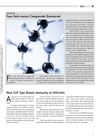 December 2011 in “Asia-Pacific biotech news”
 In 2011, there were major scientific breakthroughs in cancer treatment, immunity, Parkinson's, virus simulation, schizophrenia, hair growth, lung cancer, and medical grafts.
 21 citations
,
November 2020 in “Chemical Engineering Journal”
21 citations
,
November 2020 in “Chemical Engineering Journal” The hydrogel with silver and mangiferin helps heal wounds by killing bacteria and aiding skin and tissue repair.
 6 citations
,
November 2011 in “Journal of Dermatological Science”
6 citations
,
November 2011 in “Journal of Dermatological Science” A new gene mutation may allow some piebaldism patients to regain skin color in white patches.
5 citations
,
August 2023 in “G3 Genes Genomes Genetics” The improved genome of the African spiny mouse will help understand its tissue regeneration abilities.
1 citations
,
October 2010 in “2010 3rd International Conference on Biomedical Engineering and Informatics” The LEF-1 gene in cashmere goats was successfully cloned and analyzed, showing potential for improving cashmere production.
 3 citations
,
January 2005 in “Biological & Pharmaceutical Bulletin”
3 citations
,
January 2005 in “Biological & Pharmaceutical Bulletin” The peptide GPIGS helps hair cells grow and speeds up hair regrowth in mice.
 June 2026 in “Acta Pharmacologica Sinica”
 Improving PROTAC delivery systems can enhance their effectiveness and speed up their use in medicine.