 1 citations
,
November 2023
1 citations
,
November 2023 PCOD mainly affects young women, causing symptoms like irregular periods and weight gain, with mixed success from lifestyle changes and medication.
 December 2024 in “International Journal of Community Medicine and Public Health”
 Children with celiac disease often have skin issues, best managed with a gluten-free diet and sometimes medication.
 January 2018 in “Przegla̧d dermatologiczny”
 The Polish Dermatological Society recommends personalized treatment for cutaneous lupus, including lifestyle changes, medications, and monitoring, with specific drugs for severe cases.
 October 2016 in “Elsevier eBooks”
 Common noncancerous skin diseases have various treatments, including topical applications, light therapy, surgery, and medications, with psychological support being important.
 June 2012 in “Springer eBooks”
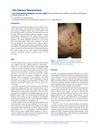
 Eating disorders can cause various hair problems, and while hair loss in these disorders is linked to metabolic syndrome, treatment focuses on specific medications and lifestyle changes for the syndrome.
 December 2004 in “Medicine”
 A thorough history and examination are crucial for diagnosing skin diseases, which affect up to a third of people. This includes details about skin lesions, medication, general health, lifestyle, family, and contacts, as well as examining the rash, hair, nails, and mucous membranes. Changes in hair and nails can also indicate other medical and skin disorders.
 July 2003 in “Journal of Cutaneous Medicine and Surgery”
 Treating psoriasis with UVB light three times a week is faster than twice a week, and certain medications and lifestyle factors affect psoriasis treatment outcomes.
 September 1998 in “Journal of The European Academy of Dermatology and Venereology”
 Aging affects hair density and skin health, and Behcet's disease, a complex condition with no specific test, involves sores and systemic issues, treated with various medications.
 71 citations
,
November 2009 in “Best Practice & Research in Clinical Obstetrics & Gynaecology”
71 citations
,
November 2009 in “Best Practice & Research in Clinical Obstetrics & Gynaecology” PCOS in teens is hard to diagnose, linked to genetics and lifestyle, and managed with weight loss and medication.
 70 citations
,
November 2013 in “The BMJ”
70 citations
,
November 2013 in “The BMJ” Tamsulosin for enlarged prostate may increase the risk of severe low blood pressure, especially when starting or restarting the medication.
 39 citations
,
May 2011 in “European Journal of Clinical Investigation”
39 citations
,
May 2011 in “European Journal of Clinical Investigation” Hirsutism can be caused by various conditions besides PCOS, and it's important to treat the underlying issue and manage symptoms with medication and cosmetic approaches.
 33 citations
,
January 2015 in “Journal of Cosmetic Dermatology”
33 citations
,
January 2015 in “Journal of Cosmetic Dermatology” Familial frontal fibrosing alopecia affects premenopausal women too, and early diagnosis is important, but no proven medication exists yet.
 15 citations
,
September 2015 in “Journal der Deutschen Dermatologischen Gesellschaft”
15 citations
,
September 2015 in “Journal der Deutschen Dermatologischen Gesellschaft” Skin doctors should recognize and treat conditions like hair-pulling and skin-picking early, often using therapy and medication, to help 50-70% of patients.
 7 citations
,
February 2010 in “British Journal of Dermatology”
7 citations
,
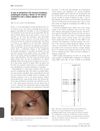
February 2010 in “British Journal of Dermatology” A woman with a rare autoimmune disorder had a blister on her eye and unique immune reaction, which was effectively treated with medication.
 2 citations
,
January 2017 in “Cambridge University Press eBooks”
2 citations
,
January 2017 in “Cambridge University Press eBooks” Manage PCOS in primary care with weight loss, psychological support, medication, and monitoring for health risks.
 1 citations
,
January 2023 in “Research Square (Research Square)”
1 citations
,
January 2023 in “Research Square (Research Square)” A woman's vitiligo improved with tofacitinib treatment, and her skin color remained even after stopping the medication, but there are concerns about cancer risk.
 1 citations
,
January 2018 in “Pediatrics in review”
1 citations
,
January 2018 in “Pediatrics in review” A 7-year-old boy with a brain tumor developed early puberty, which was successfully treated with medication.
 August 2015 in “Postgraduate obstetrics & gynecology”
 Women with PCOS often have insulin resistance, abnormal lipid levels, and a higher risk of diabetes and heart disease; lifestyle changes and medication like metformin can help manage these risks.
 July 2021 in “Advances in laboratory medicine”
 Diagnosing sex development disorders requires combining medical history, physical exams, imaging, lab tests, and genetic data.
 June 1997 in “Australasian Journal of Dermatology”
 Researchers found new hair and nail genes, how hair reacts to UV, differences in white and pigmented hair growth, nerve changes in alopecia, treatments for baldness and alopecia, a toenail condition linked to a genetic disorder, and that nail fungus is more common in people with psoriasis.
 September 2017 in “Pediatric Dermatology”
 The document concludes that an experimental drug may help wound healing in Epidermolysis Bullosa, links Hydroa vacciniforme to EBV, discusses diagnosing hair loss disorders, finds many children with eczema have allergies, reviews the safety of a skin medication in children, notes side effects of a Duchenne's treatment, and identifies a marker for pediatric mastocytosis.

These medications for BPH have known risks and may have new side effects.

These medications for BPH have known risks and may have new side effects.
Combining medications with scalp care and lifestyle changes boosts hair growth and reduces medication side effects.
 October 2024 in “Frontiers in Pharmacology”
 Genetic variants can affect valproic acid's effectiveness, side effects, and levels in epilepsy treatment.

Certain medications, especially nervous system drugs, can cause insomnia, with risks varying by age and gender.

Certain medications can cause gum problems, so patients and healthcare providers should be aware and monitor oral health.
 3 citations
,
January 2021 in “Journal of Research in Medical Sciences”
3 citations
,
January 2021 in “Journal of Research in Medical Sciences” Certain medications can impact metabolic syndrome, with some improving conditions like high blood sugar and others having no effect.
 September 2025 in “Australasian Journal of Dermatology”
 New medications could improve treatment for severe alopecia areata in Australia.
 April 2024 in “Authorea (Authorea)”
 Stopping heptaminol medication reversed hair color loss in a patient on dialysis.