
research ACNE
58 citations
,
January 1997 in “Dermatologic Clinics” Acne significantly affects mental health and quality of life, with research suggesting hormonal and genetic factors in its development and emphasizing early treatment to prevent scarring.
 56 citations
,
March 2010 in “Journal of Dermatology”
56 citations
,
March 2010 in “Journal of Dermatology” Most cases of Temporal Triangular Alopecia are found in early childhood and may be related to genetic conditions.
 47 citations
,
December 2019 in “Frontiers in immunology”
47 citations
,
December 2019 in “Frontiers in immunology” A new mutation in the STING protein causes a range of symptoms and its severity may be affected by other genetic variations; treatment with a specific inhibitor showed improvement in one patient.
 13 citations
,
August 2017 in “Scientific reports”
13 citations
,
August 2017 in “Scientific reports” Researchers developed a cost-effective 66 K SNP chip for cashmere goats that is accurate and useful for genetic studies.
 11 citations
,
May 2021 in “Journal of Medical Virology”
11 citations
,
May 2021 in “Journal of Medical Virology” Men are more likely to have severe respiratory viral infections like COVID-19 due to hormonal and genetic differences, while women generally have stronger immune responses.
 9 citations
,
August 2007 in “Journal of animal science/Journal of animal science ... and ASAS reference compendium”
9 citations
,
August 2007 in “Journal of animal science/Journal of animal science ... and ASAS reference compendium” Sheep wool follicles absorb different amino acids at various rates and locations, which could affect wool growth based on diet and genetics.
 8 citations
,
February 2013 in “Central European Journal of Biology”
8 citations
,
February 2013 in “Central European Journal of Biology” Melanocytes are diverse cells important for pigmentation and skin health, influenced by genetics and environment.
 2 citations
,
March 2023 in “Research Square (Research Square)”
2 citations
,
March 2023 in “Research Square (Research Square)” Forensic DNA phenotyping faces challenges due to inconsistent terminology, limited genetic understanding, and debates over technology and models.
 1 citations
,
January 2017 in “Elsevier eBooks”
1 citations
,
January 2017 in “Elsevier eBooks” The document concludes that new treatments for hair loss may involve a combination of cosmetics, clinical methods, and genetic approaches.
 1 citations
,
November 2015 in “Indian Journal of Clinical Biochemistry”
1 citations
,
November 2015 in “Indian Journal of Clinical Biochemistry” The conference presented findings on how vitamin D levels, genetic factors, and lifestyle choices like smoking and yoga affect various health conditions and diseases.
 1 citations
,
September 2010 in “The journal of investigative dermatology/Journal of investigative dermatology”
1 citations
,
September 2010 in “The journal of investigative dermatology/Journal of investigative dermatology” The meeting highlighted major advances in skin research, including new findings on skin microbes, genetic links to skin diseases, and improved treatments for various conditions.
 January 2026 in “Frontiers in Medicine”
 A child has a rare hair and skin disorder due to specific gene variants, suggesting broader genetic testing is needed.
 November 2025 in “Archiv für Pathologische Anatomie und Physiologie und für Klinische Medicin”
 Sporadic trichoblastic neoplasms generally don't recur or spread, with one case showing a specific genetic fusion.
 December 2017 in “International Journal of Current Research in Biosciences and Plant Biology”
 Nutrients and hormones affect root hair growth, but more research is needed to understand the genetic mechanisms.
 January 2017 in “Springer eBooks”
 The document concludes that Cutaneous Lupus Erythematosus has different forms, is influenced by genetic and environmental factors, and can be treated with various medications, but more targeted therapies are needed.
 72 citations
,
July 2008 in “Dermatologic Therapy”
72 citations
,
July 2008 in “Dermatologic Therapy” CCCA is a scarring hair loss condition mainly in African descent women, possibly caused by genetics and hairstyling, treated with gentle hair care and medications.
 39 citations
,
October 1967 in “British Journal of Dermatology”
39 citations
,
October 1967 in “British Journal of Dermatology” Hair loss in women often doesn't follow a pattern, isn't linked to age, may be genetic, and can be related to thyroid issues or other health factors.
 23 citations
,
June 2003 in “Journal of Investigative Dermatology Symposium Proceedings”
23 citations
,
June 2003 in “Journal of Investigative Dermatology Symposium Proceedings” Alopecia Areata is an autoimmune disease affecting hair follicles, influenced by genetic and environmental factors, with rodent models being essential for research.
 July 2025 in “Cermin Dunia Kedokteran”
 Nasopharyngeal carcinoma is a common cancer in Indonesia, with risk factors including genetics, diet, and Epstein-Barr virus, and is treated with advanced radiotherapy.
 July 2018 in “Elsevier eBooks”
 Discoid Lupus Erythematosus often causes scarring hair loss, is influenced by genetics and environment, and requires early treatment to prevent worsening.
 November 2005 in “Journal of Investigative Dermatology Symposium Proceedings”
 The 2004 hair research meeting presented new findings on hair cell differentiation, genetic factors in hair loss, hair pigmentation, and potential targeted therapies.
 6 citations
,
May 1993 in “Archives of Disease in Childhood”
6 citations
,
May 1993 in “Archives of Disease in Childhood” Children's hair loss can be caused by many factors, including autoimmune diseases, emotional stress, genetics, and infections, with treatment and prognosis varying.
 129 citations
,
May 2015 in “Cell Stem Cell”
129 citations
,
May 2015 in “Cell Stem Cell” Different types of stem cells exist within individual skin layers, and they can adapt to damage, transplantation, or tumor growth. These cells are regulated by their environment and genetic factors. Tumor growth is driven by expanding, genetically altered cells, not long-lived mutant stem cells. There's evidence of cancer stem cells in skin tumors. Other cells, bacteria, and genetic factors help maintain balance and contribute to disease progression. A method for growing mini organs from single cells has been developed.
 35 citations
,
May 2022 in “Baillière's best practice and research in clinical endocrinology and metabolism/Baillière's best practice & research. Clinical endocrinology & metabolism”
35 citations
,
May 2022 in “Baillière's best practice and research in clinical endocrinology and metabolism/Baillière's best practice & research. Clinical endocrinology & metabolism” Androgens like testosterone are important hormones for both men and women, made differently in each sex and affecting the body by regulating genes and quick interactions with cell components.
 20 citations
,
January 2015 in “Current problems in dermatology”
20 citations
,
January 2015 in “Current problems in dermatology” Hair gets thinner, grayer, and changes texture with age due to genetics, environment, and cellular changes, affecting the growth cycle.
 19 citations
,
January 2015 in “Current problems in dermatology”
19 citations
,
January 2015 in “Current problems in dermatology” Ultraviolet rays damage hair, smoking may cause hair loss, and good nutrition is important for hair health, but genetics mainly decide hair thickness.
 17 citations
,
January 1997 in “Cell and Tissue Research”
17 citations
,
January 1997 in “Cell and Tissue Research” Scientists developed a method to grow human fetal skin and digits in a lab for 3-4 weeks, which could help study skin features and understand genetic interactions in tissue formation.
 13 citations
,
October 2010 in “Pharmacogenomics”
13 citations
,
October 2010 in “Pharmacogenomics” Researchers found that most genes affecting drug responses are not fully covered by commercial SNP chips, suggesting the need for more comprehensive tools to optimize drug selection based on genetics.
 6 citations
,
June 2008 in “Journal of the European Academy of Dermatology and Venereology”
6 citations
,
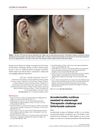
June 2008 in “Journal of the European Academy of Dermatology and Venereology” A man with Acrodermatitis continua did not get better with etanercept treatment, and his condition worsened, suggesting treatment effectiveness may vary by genetics and race.
 1 citations
,
July 1973 in “British Journal of Dermatology”
1 citations
,
July 1973 in “British Journal of Dermatology” The document concludes that secondary syphilis cases are increasing and often misdiagnosed, pityriasis rubra pilaris can be distinguished from psoriasis by skin cell features, and different skin layers produce specific components during skin repair.