Search
for
Sort by
Research
30 / 1000+ results
research Considerations in genetic counseling of transgender patients: Cultural competencies and altered disease risk profiles
Genetic counselors should be culturally skilled and aware of transgender patients' unique health risks and needs.
research The Ichthyoses: A Guide to Clinical Diagnosis, Genetic Counseling and Therapy
Effective management of ichthyoses requires genetic counseling and appropriate treatments.

research Fertility counseling and preservation: considerations for the pediatric endocrinologist
Pediatric endocrinologists should provide early fertility counseling and preservation options to young patients at risk of infertility.

research Perspectives of Kennedy's disease
Kennedy's disease leads to muscle weakness and sensory issues, has no cure but manageable symptoms, and future treatments look promising.

research Recommendations for treatment of nonclassic congenital adrenal hyperplasia (NCCAH): An update
The document suggests treating individuals with nonclassic congenital adrenal hyperplasia who show symptoms, especially those related to excess male hormones.
research Inherited ichthyosis: Syndromic forms
Understanding the genetics of rare inherited ichthyosis syndromes is key for better treatments and genetic counseling.

research Prognosis and Management of Congenital Hair Shaft Disorders with Fragility—Part I
Some congenital hair disorders improve in childhood or with treatments like minoxidil and retinoids, while others like Netherton syndrome and trichothiodystrophy have a poor prognosis.
research Management of CAH during pregnancy
With careful management, people with congenital adrenal hyperplasia can have successful pregnancies and become parents.

research Prognosis and Management of Congenital Hair Shaft Disorders without Fragility—Part II
Some congenital hair disorders improve with age and can be managed with treatments like minoxidil, retinoids, supplements, and gentle hair care, but there's no cure.
research Analysis of the relationship between the mutation site of the SLC39A4 gene and acrodermatitis enteropathica by reporting a rare Chinese twin: a case report and review of the literature
New mutations in the SLC39A4 gene found in twins help understand the genetic cause of acrodermatitis enteropathica.
research An early diagnosis of trichorhinophalangeal syndrome type 1: a case report and a review of literature
Early diagnosis of Trichorhinophalangeal syndrome type 1 is crucial for treatment and was achieved through clinical examination and family history.
research CDH3 gene related hypotrichosis and juvenile macular dystrophy – A case with a novel mutation
A new mutation in the CDH3 gene causes hair loss and vision problems in a young girl.

research Cutaneous Manifestations of Mucopolysaccharidoses
People with Mucopolysaccharidoses often have skin problems like thick skin and extra hair, and recognizing these can help diagnose and treat the condition early.

research Identification of a recurrent nonsense mutation in HR gene responsible for atrichia with papular lesions in two Kashmiri families
A mutation in the HR gene causes a rare form of irreversible hair loss in two Kashmiri families. Whole exome sequencing is effective for finding such mutations.
research Nonclassical Congenital Adrenal Hyperplasia and Pregnancy
Women with nonclassical congenital adrenal hyperplasia may have a higher risk of fertility issues and miscarriages, and should get genetic counseling.
research Case Report: Androgen-secreting pediatric adrenocortical tumor of uncertain malignant potential presenting with virilization in a 19-month-old girl
A young girl had a hormone-secreting tumor removed, leading to decreased hormone levels, but ongoing monitoring is needed.

research Alopecia Areata in a Pediatric Patient with Delayed Maternal Manifestation: A Case Report
Alopecia areata may be influenced by both genetics and environment, requiring family monitoring and addressing stress and infections.
research Hypotrichosis 14: novel variants of the LSS gene in five Chinese families and insights from literature review
New LSS gene variants help understand congenital hypotrichosis 14 better.

research Unique Dermatological and Systemic Manifestations in a Classic Pediatric Case of Kindler Syndrome: A Case Report and Literature Review
Kindler Syndrome shows diverse symptoms and needs better diagnostic tools and care in resource-limited areas.

research Marie‐Unna Hereditary Hypotrichosis: Case Report and Review of the Literature
Marie-Unna Hereditary Hypotrichosis is a rare genetic condition causing sparse hair growth, requiring specific recognition for proper care.
research Cómo hacer que dos más dos sumen cinco
Gentle hair care and some medications can help manage hair shaft disorders, but no specific treatment exists for congenital issues.
research Muir-torre syndrome in two families in Leicestershire, United Kingdom
Recognizing minor skin lesions can help identify serious cancer syndromes.

research Experience in the Treatment of Androgenetic Alopecia Based on the Theory of “The Heart Manifesting Its Function on the Exterior”
Combining Traditional Chinese Medicine with Western treatments improves hair loss treatment.

research Shortcutting the diagnostic odyssey: the multidisciplinary Program for Undiagnosed Rare Diseases in adults (UD-PrOZA)
The UD-PrOZA program successfully diagnosed 18% of adult patients with rare diseases, often using genetic testing.
research BG02: Muir‐Torre syndrome: a case of unusual coexisting genetic mutations
The boy's genetic diagnosis of ectodermal dysplasia helped improve management and counseling for him and his sister.
research Management of the Female With Non-classical Congenital Adrenal Hyperplasia (NCCAH): A Patient-Oriented Approach
The document concludes that managing non-classical congenital adrenal hyperplasia in females requires personalized treatment, genetic counseling, and a team of specialists.
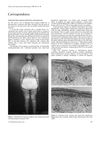
research Late presentation of myotonic dystrophy
Myotonic dystrophy should be considered in patients with hair thinning, and genetic counseling is important.
research Clinical and Molecular Genetic Findings of Cerebral Arteriopathy with Subcortical Infarcts and Leukoencephalopathy
Genetic analysis is crucial for diagnosing and managing cerebral arteriopathy.

research Genetics of Vitiligo: A Review
Vitiligo is influenced by genetics and environment, and combining these factors can improve early detection and prevention.