2 citations
,
August 2024 in “Indian Dermatology Online Journal” Premature graying of hair is mainly caused by genetics, stress, and environment, with potential treatments being explored.
 2 citations
,
August 2022 in “The journal of investigative dermatology/Journal of investigative dermatology”
2 citations
,
August 2022 in “The journal of investigative dermatology/Journal of investigative dermatology” A specific mutation in the K25 gene causes a rare genetic disorder with curly hair at birth and later hair loss, along with dental issues.
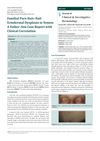 January 2026 in “Journal of Clinical and Investigative Dermatology”
 A father and son in Yemen have a genetic condition causing hair loss and nail problems.
 February 2024 in “International Journal of Molecular Sciences”
 Hair loss in Androgenetic Alopecia is caused by genetics, aging, and lifestyle, leading to hair follicle shrinkage and related health risks.
 226 citations
,
September 2001 in “Journal of The American Academy of Dermatology”
226 citations
,
September 2001 in “Journal of The American Academy of Dermatology” Hair loss in women is genetic, diagnosed by examination and biopsy, and treated with minoxidil, finasteride, or transplantation.
 195 citations
,
June 2005 in “American Journal of Human Genetics”
195 citations
,
June 2005 in “American Journal of Human Genetics” Genetic variation in the androgen receptor gene mainly causes early-onset hair loss, with maternal inheritance playing a key role.
23 citations
,
February 2015 in “The American journal of pathology” Keratosis pilaris is often linked to genetic mutations and causes skin and hair abnormalities, regardless of those mutations.
15 citations
,
January 2017 in “Pigment International” Early hair graying is often inherited and influenced by genetics, environment, and lifestyle, but treatment options are limited.
 7 citations
,
January 2019 in “Australasian Journal of Dermatology”
7 citations
,
January 2019 in “Australasian Journal of Dermatology” A genetic marker linked to a type of hair loss was found in most patients studied.
 5 citations
,
September 2022 in “Journal of Investigative Dermatology”
5 citations
,
September 2022 in “Journal of Investigative Dermatology” Careful selection of mice by genetics and age, and controlled housing conditions improve the reliability of hair regrowth in wound healing tests.
2 citations
,
March 2024 in “Pediatric Dermatology” Two siblings have a rare hair condition caused by a new genetic variant.
 2 citations
,
January 2013 in “Elsevier eBooks”
2 citations
,
January 2013 in “Elsevier eBooks” The document explains the genetic causes and characteristics of inherited hair disorders.
1 citations
,
March 2019 in “International Journal of Molecular Medicine” Mouse hair follicle cells can become heart-like cells without genetic changes.
 May 2025 in “Quality in Sport”
 Hair loss is caused by genetics, hormones, stress, and environment, and can be managed with good nutrition, stress control, and treatments.
 February 2025 in “Geriatrics and gerontology international/Geriatrics & gerontology international”
 Genetic testing is recommended for young patients showing signs like cataracts and hair changes to diagnose Werner syndrome early.
March 2022 in “Journal of cosmetic dermatology” Botanical extracts can help treat hair loss in people with certain genetic conditions.
November 2020 in “Journal of animal science/Journal of animal science ... and ASAS reference compendium” Certain genetic variants in PRLR and PCCA genes may lead to shorter hair in cattle, which could help with heat tolerance.
Human hair color is determined by melanin types and genetic factors.
Certain genetic variations are linked to hair loss in Mexican men.
 November 2018 in “Chin J Clin Lab Mgt (Electronic Edition)”
 Concentrated growth factors may help treat hair loss caused by genetics.
 1 citations
,
December 2018 in “Journal of Cosmetic Dermatology”
1 citations
,
December 2018 in “Journal of Cosmetic Dermatology” Men with thinner hair from genetic hair loss may be more likely to have an enlarged prostate.
32 citations
,
January 2000 in “Human Heredity” Monilethrix severity varies and may be influenced by other genetic or environmental factors.
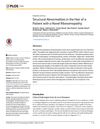 6 citations
,
March 2016 in “PLoS ONE”
6 citations
,
March 2016 in “PLoS ONE” The patient's hair was thinner and had fewer lipids due to a genetic mutation.
 2 citations
,
January 2023 in “BMC plant biology”
2 citations
,
January 2023 in “BMC plant biology” Scientists found new genetic areas that affect how rice root hairs grow and develop.
November 2025 in “npj Breast Cancer” Tamoxifen increases the risk of lasting hair loss after chemotherapy despite scalp cooling.
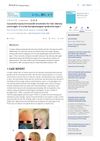 January 2024 in “Pediatric Dermatology”
 Minoxidil improved hair growth in a child with a rare genetic disorder.
November 2021 in “CRC Press eBooks” Hair color is determined by melanin and can be affected by genetic conditions like albinism.
January 2017 in “Journal of Chemical Biological and Physical Sciences” Human hair keratin genes have unique simple sequence repeats that may help track genetic variations.
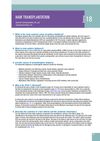 January 2010 in “Elsevier eBooks”
 Hair transplantation is a treatment for hair loss mainly caused by genetics, with various techniques and potential complications, and results visible after 8-12 months.
January 2006 in “Chinese Journal of Dermatology” Shorter GGC triplet repeats in the androgen receptor gene are linked to less hair loss in Han men.