 556 citations
,
September 2008 in “Genes & Development”
556 citations
,
September 2008 in “Genes & Development” Wnt signaling is vital for cell growth, development, and cancer research.
 354 citations
,
February 2011 in “Genes & Development”
354 citations
,
February 2011 in “Genes & Development” EZH1 and EZH2 are crucial for healthy hair growth and skin repair.
 326 citations
,
February 2009 in “The American journal of pathology”
326 citations
,
February 2009 in “The American journal of pathology” Lgr5 is a marker for active, self-renewing stem cells in the intestine and skin, important for tissue maintenance.
 277 citations
,
July 2002 in “Molecular Endocrinology”
277 citations
,
July 2002 in “Molecular Endocrinology” Removing part of the vitamin D receptor stops vitamin D from working properly.
 83 citations
,
May 2013 in “International Journal of Molecular Sciences”
83 citations
,
May 2013 in “International Journal of Molecular Sciences” Skin development in mammals is controlled by key proteins and signals from underlying cells, involving stem cells for maintenance and repair.
 80 citations
,
April 2011 in “Plant physiology”
80 citations
,
April 2011 in “Plant physiology” White lupin uses specific genes to grow root hairs and access phosphorus when it's scarce.
 77 citations
,
June 2007 in “PLoS ONE”
77 citations
,
June 2007 in “PLoS ONE” Birds can regenerate inner ear cells using specific gene pathways, unlike mammals.
 75 citations
,
September 2017 in “Developmental biology”
75 citations
,
September 2017 in “Developmental biology” The circadian clock influences the behavior and regeneration of stem cells in the body.
 55 citations
,
March 2012 in “Journal of Investigative Dermatology”
55 citations
,
March 2012 in “Journal of Investigative Dermatology” Research on epidermal stem cells has advanced significantly, showing promise for improved clinical therapies.
 53 citations
,
January 2006 in “The Journal of clinical endocrinology and metabolism/Journal of clinical endocrinology & metabolism”
53 citations
,
January 2006 in “The Journal of clinical endocrinology and metabolism/Journal of clinical endocrinology & metabolism” Reduced AR gene methylation may cause early pubic hair growth in girls.
 43 citations
,
September 2014 in “Molecular Plant”
43 citations
,
September 2014 in “Molecular Plant” CLE40 and CRN/CLV2 pathways have opposite effects on root growth in Arabidopsis.
 38 citations
,
July 2019 in “Nature Communications”
38 citations
,
July 2019 in “Nature Communications” Par3 protein is essential for skin cell balance and stability.
 37 citations
,
July 2016 in “Current Opinion in Cell Biology”
37 citations
,
July 2016 in “Current Opinion in Cell Biology” Live imaging has advanced our understanding of stem cell behavior and raised new research questions.
 30 citations
,
June 2021 in “British Journal of Dermatology”
30 citations
,
June 2021 in “British Journal of Dermatology” Mutations in the WNT10A gene can cause skin, hair, teeth, and other disorders, and may also affect other areas like kidney and cancer, with potential for targeted treatments.
 29 citations
,
July 2014 in “PloS one”
29 citations
,
July 2014 in “PloS one” Meis1 is crucial for skin health and tumor development.
 27 citations
,
December 2013 in “Endocrinology”
27 citations
,
December 2013 in “Endocrinology” Researchers created a mouse model for Cushing's syndrome to study glucocorticoid excess and potential treatments.
 26 citations
,
December 2020 in “Nature metabolism”
26 citations
,
December 2020 in “Nature metabolism” Rapamycin treatment helps with mitochondrial disease by reducing PKC levels.
 21 citations
,
June 2016 in “Genesis”
21 citations
,
June 2016 in “Genesis” Researchers identified specific genes that are important for mouse skin cell development and healing.
 21 citations
,
April 2014 in “PLoS ONE”
21 citations
,
April 2014 in “PLoS ONE” A rare gene variant causes hair and nail issues in a family.
 15 citations
,
May 2014 in “Journal of dermatology”
15 citations
,
May 2014 in “Journal of dermatology” Zouboulis syndrome is a rare condition that helps diagnose monosomy 18p early.
 13 citations
,
January 2010 in “Advances in Biochemical Engineering / Biotechnology”
13 citations
,
January 2010 in “Advances in Biochemical Engineering / Biotechnology” Understanding hair biology is key to developing better treatments for hair and scalp issues.
 11 citations
,
March 2014 in “Journal of The European Academy of Dermatology and Venereology”
11 citations
,
March 2014 in “Journal of The European Academy of Dermatology and Venereology” Hair loss gene linked to prostate issues.
 9 citations
,
February 2022 in “Nature communications”
9 citations
,
February 2022 in “Nature communications” Rare changes in the KRT82 gene are linked to a higher risk of Alopecia Areata.
 6 citations
,
September 2024 in “Metabolism and Target Organ Damage”
6 citations
,
September 2024 in “Metabolism and Target Organ Damage” Skin enzymes convert topical drugs into active forms, affecting drug effectiveness and safety.
 6 citations
,
January 2020 in “Czech Journal of Animal Science”
6 citations
,
January 2020 in “Czech Journal of Animal Science” The FAT1 gene and its variations can help improve wool quality in Chinese Merino sheep through selective breeding.
 4 citations
,
September 2024 in “Oncology Research Featuring Preclinical and Clinical Cancer Therapeutics”
4 citations
,
September 2024 in “Oncology Research Featuring Preclinical and Clinical Cancer Therapeutics” 3D models and organoids improve liposarcoma research and therapy development.
 4 citations
,
January 2019 in “International journal of molecular sciences”
4 citations
,
January 2019 in “International journal of molecular sciences” Genetically modified sheep with more β-catenin grew more wool without changing the wool's length or thickness.
 4 citations
,
January 2013 in “European Journal of Dermatology”
4 citations
,
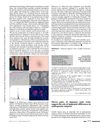
January 2013 in “European Journal of Dermatology” Epigenetic differences affect hair loss in identical Japanese male twins.
 2 citations
,
November 2024 in “Clinical Cosmetic and Investigational Dermatology”
2 citations
,
November 2024 in “Clinical Cosmetic and Investigational Dermatology” Higher BMI may increase the risk of psoriasis and some other skin diseases.
 1 citations
,
January 2021
1 citations
,
January 2021 CD4+ skin cells may be precursors to basal cell carcinoma.