 July 2025 in “Pakistan Journal of Rehabilitation”
 Over half of physiotherapy students in Lahore experience hair loss, highlighting the need for better education and early treatment.
December 2021 in “Intisari Sains Medis” Botulinum toxin injections improved hair thinning in a woman with hair loss.
1 citations
,
September 2024 in “Benha Journal of Applied Sciences” Androgenetic alopecia causes hair loss, and early, ongoing treatment is key for best results.
 January 2023 in “Springer eBooks”
 New understanding of hair loss could lead to better treatments.
 April 2003 in “Experimental Dermatology”
 The workshop highlighted the genetic links and psychological impacts of hair loss and skin disorders.
December 2003 in “The journal of investigative dermatology/Journal of investigative dermatology” Glycerol may improve wound healing and prevent keloids, a device can measure itch intensity, male pattern baldness is highly heritable, and fumaric acid esters may work for psoriasis by causing cell death in T cells.
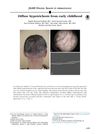 September 2016 in “Journal of The American Academy of Dermatology”
 The girl has a genetic hair condition causing thin hair since childhood.
 23 citations
,
October 2018 in “Australasian Journal of Dermatology”
23 citations
,
October 2018 in “Australasian Journal of Dermatology” The current understanding of frontal fibrosing alopecia involves immune, genetic, hormonal factors, and possibly environmental triggers, but more research is needed for effective treatments.
 15 citations
,
February 2017 in “International Journal of Women's Dermatology”
15 citations
,
February 2017 in “International Journal of Women's Dermatology” Hair aging and loss are caused by genetics, hormones, environment, and grooming, with treatments like minoxidil effective for certain types of hair loss.
 1 citations
,
October 2011 in “PubMed”
1 citations
,
October 2011 in “PubMed” Teen hair loss is common, can be caused by genetics or health issues, and can be diagnosed and treated.
 5 citations
,
September 1986 in “Pediatric Dermatology”
5 citations
,
September 1986 in “Pediatric Dermatology” A family showed a new condition with inherited hair loss and skin changes, possibly due to one genetic disorder.
 179 citations
,
September 1998 in “BMJ”
179 citations
,
September 1998 in “BMJ” Hair loss in men is common, treatable, but not curable.
 April 2018 in “Journal of Investigative Dermatology”
 Hair pattern in androgenetic alopecia overlaps with scalp and bone demarcations, with distinct gene profiles affecting susceptibility.
 222 citations
,
January 2014 in “International journal of reproductive medicine”
222 citations
,
January 2014 in “International journal of reproductive medicine” Insulin resistance and obesity are key factors in the development and worsening of polycystic ovary syndrome, and lifestyle changes are important for managing it.
 June 2006 in “Experimental Dermatology”
 Understanding skin patterns can help us learn about skin diseases and their treatments.
 87 citations
,
May 2012 in “PLOS Genetics”
87 citations
,
May 2012 in “PLOS Genetics” Six new genetic regions linked to early hair loss also connect to Parkinson's disease and prostate cancer, possibly leading to new treatments.
 11 citations
,
February 2019 in “Research and reports in forensic medical science”
11 citations
,
February 2019 in “Research and reports in forensic medical science” DNA phenotyping helps predict physical traits from DNA with varying accuracy and requires careful ethical and legal handling.
 1 citations
,
April 2016 in “CRC Press eBooks”
1 citations
,
April 2016 in “CRC Press eBooks” Skin aging reflects overall body aging and can indicate internal health conditions.
 January 2016 in “Journal of The Korean Medical Association”
 The document says how to diagnose and treat hair loss from alopecia areata, but there's no cure and treatments vary.
 January 2012 in “Methods in pharmacology and toxicology”
 TRPV3 could be a target for treating pain, skin disorders, and hair problems, but more research is needed to create effective drugs.
 April 2024 in “Nigerian Postgraduate Medical Journal”
 Androgenetic alopecia is a common hair loss condition influenced by various factors and linked to psychosocial and cardiovascular issues.
 January 2015 in “Springer eBooks”
 Hair health is influenced by genetics, aging, and environmental factors, with proper care needed to maintain it.
 40 citations
,
December 2011 in “British Journal of Dermatology”
40 citations
,
December 2011 in “British Journal of Dermatology” Women's hair generally gets thinner and less dense starting in their mid-thirties, with hair loss becoming more common as they age due to both genetics and environment.
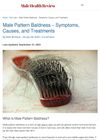
Male pattern baldness is a common hair loss in men caused by genetics and hormones, with treatments including drugs, hair transplants, and hair loss products.
 November 2005 in “Journal of Investigative Dermatology Symposium Proceedings”
 The 2004 hair research meeting presented new findings on hair cell differentiation, genetic factors in hair loss, hair pigmentation, and potential targeted therapies.
 19 citations
,
January 2015 in “Current problems in dermatology”
19 citations
,
January 2015 in “Current problems in dermatology” Ultraviolet rays damage hair, smoking may cause hair loss, and good nutrition is important for hair health, but genetics mainly decide hair thickness.
 1 citations
,
January 2017 in “Current Dermatology Reports”
1 citations
,
January 2017 in “Current Dermatology Reports” Early baldness in men may indicate risks for obesity, metabolic syndrome, insulin resistance, and heart disease, similar to women with PCOS. Alopecia areata is often linked with autoimmune diseases and mental health issues. Certain hair disorders are due to genetic issues, and chemotherapy can cause hair loss through specific biological pathways. Iron deficiency's link to hair loss is still disputed.
 May 2023 in “Journal of Clinical Medicine”
 New understanding and treatments for hair loss are improving, but more research is needed.
 June 1997 in “Australasian Journal of Dermatology”
 Researchers found new hair and nail genes, how hair reacts to UV, differences in white and pigmented hair growth, nerve changes in alopecia, treatments for baldness and alopecia, a toenail condition linked to a genetic disorder, and that nail fungus is more common in people with psoriasis.
 May 2022 in “Journal of the Egyptian Women's Dermatologic Society (Print)”
 Women's hair loss can be due to hormonal changes and various conditions, with treatments focusing on stopping progression and managing symptoms.