 July 2024 in “bioRxiv (Cold Spring Harbor Laboratory)”
 Hair loss in certain mice is linked to changes in keratin-related genes.
 March 2021 in “CRC Press eBooks”
 Hair loss without scarring is more common than permanent hair loss with scarring, and is often due to genetic factors.
 January 2014 in “Pathology”
 Non-scarring hair loss can be diagnosed with two 4mm punch biopsies, one cut vertically and the other transversely.
 August 2022 in “Gene Reports”
 New hair loss treatments could be improved by using combined biological markers.
October 2020 in “Indian journal of forensic medicine and toxicology” Iron deficiency is a common nutritional cause of hair loss.

Baldness is often hereditary and linked to male hormones, becoming noticeable when half the hair is lost.

Some treatments like minoxidil, finasteride, and surgery can help with hereditary hair loss.
 39 citations
,
October 1967 in “British Journal of Dermatology”
39 citations
,
October 1967 in “British Journal of Dermatology” Hair loss in women often doesn't follow a pattern, isn't linked to age, may be genetic, and can be related to thyroid issues or other health factors.
 19 citations
,
April 2014 in “Hormones”
19 citations
,
April 2014 in “Hormones” Hormones and genetics play key roles in male and female baldness, which can affect mental health and may be linked to other health issues.
 August 2014 in “Journal of The American Academy of Dermatology”
 Obesity is linked to more severe hair loss in adult men and to excess hair growth, but its effects on hair conditions are complex and need more research.
 October 2007 in “Journal of Investigative Dermatology”
 The meeting highlighted the genetic basis of female pattern hair loss and various skin health insights.

AI can predict hair loss patterns to improve care and treatment.
October 2023 in “University of Zadar Institutional Repository” Androgenetic alopecia is a common genetic and hormonal hair loss affecting many men and women.
July 2005 in “The American Journal of Human Genetics” The AR gene is linked to male-pattern baldness, TNFSF4 to heart disease, SLC19A3 to BBGD, MCT8 to a syndrome, and segmental duplications to genetic variation.
 7 citations
,
March 2005 in “British Journal of Dermatology”
7 citations
,
March 2005 in “British Journal of Dermatology” Indian men have 62.1% hair loss, mostly grade II vertex, and less extensive than other populations.
 6 citations
,
May 2006 in “Skinmed”
6 citations
,
May 2006 in “Skinmed” Androgens contribute to common male hair loss; more research needed for hair growth medication.
 February 2024 in “Benha Journal of Applied Sciences”
 Androgenetic alopecia is common hair loss caused by genetics and hormones.
13 citations
,
June 2006 in “Fertility and Sterility” Nonclassic 21-hydroxylase deficiency is a common, treatable genetic disorder causing reversible symptoms like acne and hair loss.
January 2015 in “Hair transplant forum international” Female pattern hair loss is different from male pattern hair loss and has unclear genetic causes.
 May 2026 in “Zenodo (CERN European Organization for Nuclear Research)”
 PCOS is influenced by genetics and lifestyle, causing hormonal imbalances and health risks like diabetes and infertility.
3 citations
,
June 2015 in “CRC Press eBooks” Male pattern hair loss affects up to 80% of men due to genetics and hormone sensitivity.
 May 2026 in “Zenodo (CERN European Organization for Nuclear Research)”
 PCOS is influenced by genetics and lifestyle, causing hormonal imbalances and health risks like diabetes and infertility.
January 2018 in “Refubium (Universitätsbibliothek der Freien Universität Berlin)” Chemotherapy causes temporary hair loss in women, while Tamoxifen does not significantly affect hair, and genetics show no link between female pattern hair loss and common baldness genes.
 January 2010 in “Elsevier eBooks”
 Hair transplantation is a treatment for hair loss mainly caused by genetics, with various techniques and potential complications, and results visible after 8-12 months.
 42 citations
,
August 2013 in “International Journal of Women's Health”
42 citations
,
August 2013 in “International Journal of Women's Health” Female pattern hair loss is caused by multiple factors and while treatments like topical minoxidil, hormone therapy, and low-level light therapy can help, none can fully cure it.
 1 citations
,
January 2012 in “International Journal of Trichology”
1 citations
,
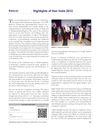
January 2012 in “International Journal of Trichology” Hair India 2012 was a successful international event focused on combating fake trichology practices and discussing various hair health topics.
 December 2024 in “PLoS ONE”
 Hair growth serums A and C can affect hair growth genes and pathways, suggesting potential for personalized hair loss treatments.
 July 2019 in “Journal of Investigative Dermatology”
 The research found that male pattern hair loss is mostly genetic and involves hair thinning due to hormonal effects and changes in gene expression.
 68 citations
,
March 1965 in “The BMJ”
68 citations
,
March 1965 in “The BMJ” Hormones and genetics affect hair growth and patterns, with some changes reversible and others not.
 1 citations
,
February 1988 in “The BMJ”
1 citations
,
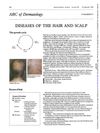
February 1988 in “The BMJ” The document explains different hair and scalp conditions, including common hair loss after pregnancy or illness, drug-induced hair loss, hereditary excessive hair growth, patterned baldness, autoimmune hair loss, and permanent loss due to skin disease, with generally limited treatment options.