 July 2019 in “Journal of Investigative Dermatology”
 The research found that male pattern hair loss is mostly genetic and involves hair thinning due to hormonal effects and changes in gene expression.
 123 citations
,
May 2020 in “Drug Development Research”
123 citations
,
May 2020 in “Drug Development Research” Men's sensitivity to male hormones might affect how severe COVID-19 gets for them.
 62 citations
,
April 2008 in “Neurobiology of aging”
62 citations
,
April 2008 in “Neurobiology of aging” Scientists found a gene in mice that causes early hearing loss.
 28 citations
,
May 2017 in “Molecular ecology”
28 citations
,
May 2017 in “Molecular ecology” Researchers found genes that control hair color and growth change before the visible coat color changes in snowshoe hares.
 6 citations
,
May 2020 in “Scientific reports”
6 citations
,
May 2020 in “Scientific reports” Researchers identified genes and proteins that may influence wool thickness in sheep.
 5 citations
,
January 2016 in “Dermatology”
5 citations
,
January 2016 in “Dermatology” No significant link between CAG repeat numbers and female pattern hair loss in Han Chinese population.
1 citations
,
August 2023 in “Biomolecules” Certain immune-related proteins are higher in people with alopecia and their healthy relatives, hinting at a genetic link.
 1 citations
,
September 2021 in “Cureus”
1 citations
,
September 2021 in “Cureus” The rs1128977 gene variant may affect cholesterol and body measurements.
July 2025 in “International Journal of Molecular Sciences” Four new genes related to sheep wool were discovered, showing genetic diversity.

Pangenome analysis reveals key genes for pig adaptation and traits, aiding genetic improvement.
 October 2023 in “IJEM case reports”
 A 15-year-old girl with no menstrual period was diagnosed with a genetic condition that makes her body unable to respond to male hormones, leading to female characteristics despite having male genetic makeup.

Minoxidil and finasteride are the only FDA-approved treatments for hair loss caused by genetic and hormonal factors, but their effectiveness is often doubted, indicating a need for new treatments.
November 2005 in “PubMed” The hairless gene in Kunming mice is important for hair and skin, and shows genetic variations.
 52 citations
,
June 2009 in “Current Opinion in Endocrinology, Diabetes and Obesity”
52 citations
,
June 2009 in “Current Opinion in Endocrinology, Diabetes and Obesity” The document concludes that hair transplantation and gene therapy may be important for future hair loss treatment.
37 citations
,
August 2020 in “BMC Genomics” Hair greying is mainly influenced by age, with genetics playing a smaller role.
 19 citations
,
May 2007 in “Dermatologic therapy”
19 citations
,
May 2007 in “Dermatologic therapy” The document concludes that various treatments, including laser therapy, are effective for managing pseudofolliculitis barbae, especially in darker skin types.
15 citations
,
May 1999 in “Journal of Investigative Dermatology” Alopecia areata is complex, with genetic and immune factors, and animal models are key for future treatment research.
 45 citations
,
April 2019 in “International Immunology”
45 citations
,
April 2019 in “International Immunology” The study concluded that immune cells attacking hair follicles cause hair loss in alopecia, with genetics and environment also playing a role, and highlighted the potential of certain treatments.
 12 citations
,
February 2023 in “Journal of Personalized Medicine”
12 citations
,
February 2023 in “Journal of Personalized Medicine” Type 1 diabetes often occurs with other autoimmune diseases, and personalized treatment based on genetics can improve outcomes.
 August 2022 in “Journal of Contemporary medical practice”
 Combining Traditional Chinese Medicine and Western medicine can improve symptoms, hormone levels, and pregnancy outcomes in Polycystic Ovary Syndrome patients, but more research is needed.
 July 2020 in “Research Square (Research Square)”
 Selective breeding can enhance immunity in dairy cattle.
 199 citations
,
April 2010 in “Nature”
199 citations
,
April 2010 in “Nature” A gene called APCDD1, which controls hair growth, is found to be faulty in a type of hair loss called hereditary hypotrichosis simplex.
148 citations
,
September 2003 in “Journal of Investigative Dermatology Symposium Proceedings” Alopecia areata is an autoimmune disorder causing hair loss, linked to specific hair follicle antigens and genetic factors.
1 citations
,
November 2022 in “Diagnostics” A woman with a rare hormone resistance condition also had missing teeth and hair loss, which might be new symptoms of her genetic disorder.
 142 citations
,
January 2019 in “Frontiers in Neuroendocrinology”
142 citations
,
January 2019 in “Frontiers in Neuroendocrinology” Postpartum depression is linked to changes in brain chemicals, inflammation, stress, and certain genes, and can potentially be identified by markers like specific steroids, serotonin levels, and vitamin D levels.
 23 citations
,
May 2009 in “International Journal of Dermatology”
23 citations
,
May 2009 in “International Journal of Dermatology” AR gene not major factor in female hair loss; different from male hair loss.
 21 citations
,
January 2006 in “Pediatrics”
21 citations
,
January 2006 in “Pediatrics” Some diseases can improve the outcomes of other diseases, leading to new treatment possibilities.
 5 citations
,
February 2013 in “Expert Review of Dermatology”
5 citations
,
February 2013 in “Expert Review of Dermatology” New acne treatments include combination creams, advanced retinoids, and light therapies, focusing on safety and patient adherence.
 May 2015 in “Journal of Investigative Dermatology”
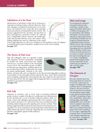
 Melanoma risk tools need improvement, a gene mutation causes a hair disorder that might be treated by managing cell stress, a potential therapy for a skin-ear disorder involves blocking cell channels, skin wrinkling may indicate lung aging regardless of smoking, and oxidative stress might contribute to common baldness.
170 citations
,
January 2010 in “animal” Hair follicle growth and fiber production in animals are influenced by chemical signals, proteins, pigmentation, genetics, and nutrients.