 November 2019 in “Journal of Aesthetic Nursing”
 The article concludes that a thorough diagnosis and treatment plan, including medications, non-invasive methods, or surgery, is important for managing hair loss, with a combination of minoxidil and finasteride being particularly effective.

L-PGDS has specific binding sites for its functions and could help in drug delivery system design.
 June 2019 in “Pediatric Dermatology”
 Alopecia in patients with epidermolysis bullosa varies in severity and is often caused by skin blistering or trauma.
 April 2019 in “Advances in Cosmetic Surgery”
 The document concludes that ongoing medical therapy is crucial for preventing hair loss, and surgical options can restore hair, with future treatments for hair loss being promising.
 January 2019 in “Springer eBooks”
 Acne is linked to inflammation and insulin resistance, and is associated with various syndromes that require different treatments.
 January 2019 in “Springer eBooks”
 Modified HDL can better deliver drugs and genes, potentially improving treatments and reducing side effects.
 November 2018 in “International Journal of Current Pharmaceutical Research”
 PCOS is a hormonal disorder causing symptoms like irregular periods and acne, and increases the risk of diabetes and heart disease.
 June 2018 in “Biomedical Journal of Scientific & Technical Research”
 Cells can change to help heal wounds better.
 April 2018 in “bioRxiv (Cold Spring Harbor Laboratory)”
 A gene variant causes patched hair loss in mice, similar to alopecia areata in humans.
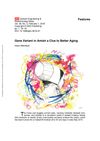 January 2018 in “Genetic engineering & biotechnology news”
 A genetic mutation linked to longer life and less disease was found in the Amish, and a drug is being developed to replicate these benefits.
 January 2018 in “Stem cell biology and regenerative medicine”
 The nucleus is key in controlling skin growth and repair by coordinating signals, gene regulators, and epigenetic changes.
 January 2018 in “Stem cells in clinical applications”
 Exosomes show promise for tissue repair and regeneration with advantages over traditional cell therapies.

Proper care and diet are crucial to prevent health issues in gerbils.
 May 2017 in “American Society of Health-System Pharmacists eBooks”
  January 2017 in “Elsevier eBooks”
 Antioxidants may help improve mitochondrial health and could be used to treat diseases related to cell damage.
 January 2017 in “Clinical approaches and procedures in cosmetic dermatology”
 Men are increasingly seeking quick-result cosmetic treatments for their thicker, oilier skin and hair loss issues.
 April 2016 in “Journal of Investigative Dermatology”
 The symposium showed that stem cells are key for understanding and treating skin diseases and for developing new skin models and therapies.
 January 2016 in “Springer eBooks”
 New materials and methods could improve skin healing and reduce scarring.
 January 2016 in “Research Explorer (The University of Manchester)”
 Activating the Eda/Edar pathway improves wound healing by enhancing hair follicle growth.
 July 2015 in “Cambridge University Press eBooks”
 Androgens like testosterone affect skin health and can lead to conditions such as acne and hair loss, with various treatments available.
 January 2015 in “Indian Journal of Medical Biochemistry”
 Men with early balding should be checked for metabolic syndrome, as there's a link between the two.
 September 2014 in “Springer eBooks”
 Men and women experience skin aging differently due to changes in sex hormone levels with age.
 January 2014 in “Journal of Pigmentary Disorders”
 Women's hair gets thinner and grayer as they age, with treatments available for hair loss and graying.
 January 2014 in “Durham e-Theses (Durham University)”
 Notch1 helps skin heal by attracting cells that aid repair.
 December 2013 in “Research Portal (King's College London)”
 Hair loss in Lichen Planopilaris is caused by immune system issues damaging hair follicles and stem cells.
 November 2013 in “John Wiley & Sons, Ltd eBooks”
 Skin symptoms can indicate endocrine disorders and have various treatments.

Hair follicles can be used to quickly assess drug effects in cancer treatment.
 January 2012 in “heiDOK (Heidelberg University)”
 Dormant melanoma cells in mice interact minimally with memory T cells due to a suppressive tumor environment.
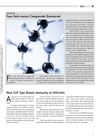 December 2011 in “Asia-Pacific biotech news”
 In 2011, there were major scientific breakthroughs in cancer treatment, immunity, Parkinson's, virus simulation, schizophrenia, hair growth, lung cancer, and medical grafts.
 November 2011 in “Informa Healthcare eBooks”
 Environmental, chemical, mechanical, and personal health factors can all damage hair and contribute to hair loss or changes in hair quality.