 11 citations
,
November 2021 in “The Journal of Clinical Endocrinology and Metabolism”
11 citations
,
November 2021 in “The Journal of Clinical Endocrinology and Metabolism” Genetic risk factors for Polycystic Ovary Syndrome can affect men too, not just women.
11 citations
,
November 2015 in “Carcinogenesis” Deleting TNFα gene reduces skin cancer risk in certain mice.
10 citations
,
January 2023 in “Skin Appendage Disorders” Alopecia areata is an autoimmune hair loss condition linked to genetic factors.
 10 citations
,
April 2008 in “Journal of Pediatric Surgery”
10 citations
,
April 2008 in “Journal of Pediatric Surgery” P-selectin is not the only factor that prevents scarring in fetal wound healing in mice.
10 citations
,
April 2007 in “PubMed” Coordinated gene activities are crucial for normal hair growth.
 9 citations
,
February 2019 in “BMC cancer”
9 citations
,
February 2019 in “BMC cancer” M30 is a promising treatment for preventing hair loss during chemotherapy.
 9 citations
,
August 2013 in “PLOS ONE”
9 citations
,
August 2013 in “PLOS ONE” Genetic variants at 20p11 increase baldness risk in Chinese Han people.
9 citations
,
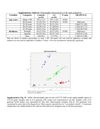
May 2002 in “PubMed” Retinoic acid affects skin and hair health by working with specific receptors, and its absence can lead to hair loss and skin changes.
 7 citations
,
July 2020 in “Immunological Investigations”
7 citations
,
July 2020 in “Immunological Investigations” The rs231775 genetic variant is linked to a higher risk and severity of Alopecia Areata in males.
 7 citations
,
June 2020 in “Journal of The European Academy of Dermatology and Venereology”
7 citations
,
June 2020 in “Journal of The European Academy of Dermatology and Venereology” Genetic variants affect minoxidil hair loss treatment success.
7 citations
,
December 1981 in “International Journal of Dermatology” Understanding genes can help diagnose and treat skin color disorders.
6 citations
,
April 2024 in “Journal of Investigative Dermatology” CRISPR-based tools improve understanding and treatment of skin development and conditions.
5 citations
,
April 2017 in “The journal of investigative dermatology/Journal of investigative dermatology” The gene therapy showed significant wound healing and was safe for treating severe RDEB.
5 citations
,
August 2016 in “bioRxiv (Cold Spring Harbor Laboratory)” Genetic factors can predict male pattern baldness risk.
5 citations
,
January 1993 in “PubMed” Retinoic acid can change skin structures in vertebrates, like turning scales into feathers or hair buds into glands.
4 citations
,
October 2023 in “African Journal of Urology” Older parental age, rural living, and specific genetic mutations increase hypospadias risk in children.
4 citations
,
August 2023 in “Journal of Investigative Dermatology” Certain genes influence the direction of hair whorls on the scalp.
3 citations
,
August 2024 in “Frontiers in Endocrinology” Thyroid issues can cause alopecia areata.
3 citations
,
August 1988 in “PubMed” 2 citations
,
January 2024 AI can predict hair loss by analyzing genetic, scalp, and lifestyle data.
2 citations
,
August 2023 in “Experimental Dermatology” HEY2+ cells help regenerate skin during wound healing.
2 citations
,
August 2023 in “The Journal of Animal and Plant Sciences” Genetic analysis of Cashmere goats identified key genes for wool, reproduction, and high-altitude adaptation.
 2 citations
,
October 2020 in “Annals of Oncology”
2 citations
,
October 2020 in “Annals of Oncology” Men may be more vulnerable to severe COVID-19 due to genetic and hormonal factors, but more research is needed.
1 citations
,
April 2024 in “Metabolites” Activated protein C helps protect mice from long-term radiation damage.
1 citations
,
January 2019 in “British Poultry Science” VEGF and VEGFR-2 genes influence feather maturity, and specific genetic markers can improve chicken breeding.
 1 citations
,
September 2014 in “Hormones”
1 citations
,
September 2014 in “Hormones” Over a third of women thought to have non-classical congenital adrenal hyperplasia didn't have it confirmed by genetic tests.
 1 citations
,
October 2013 in “Our Dermatology Online”
1 citations
,
October 2013 in “Our Dermatology Online” 5α reductase type 2 enzyme mutation and oxidative stress may increase androgenetic alopecia risk in Egyptians.
 July 2026 in “International Journal of Stem Cells”
 Genetically engineered mouse models help identify key pathways and targets for melanoma treatment.
July 2026 in “Poultry Science” SERPINF1 gene affects feather density in yellow-feathered broilers.
June 2026 in “Experimental Dermatology” No strong genetic link between hair color and alopecia areata was found.