1 citations
,
October 2024 in “JCEM Case Reports” 5α-reductase deficiency can cause ambiguous genitalia and gender dysphoria, treatable with testosterone.
46 citations
,
December 1992 in “The Journal of Steroid Biochemistry and Molecular Biology” Affected males are born with ambiguous genitalia, raised as females, but develop male traits at puberty due to enzyme deficiency.
9 citations
,
April 2007 in “Journal of Andrology” Excessive pre-ejaculation can be treated with certain medications.
 October 2021 in “JAAD Case Reports”
 Topical glycopyrrolate lotion helped reduce excessive sweating from eating in a diabetic man.
 12 citations
,
January 2005 in “Pediatric Dermatology”
12 citations
,
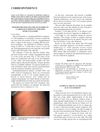
January 2005 in “Pediatric Dermatology” Fox Fordyce disease might be more common in prepubertal girls than thought and can be managed with treatment.
 36 citations
,
August 2011 in “Experimental Dermatology”
36 citations
,
August 2011 in “Experimental Dermatology” Eccrine sweat gland's clear cells likely cause excessive sweating in hyperhidrosis.
32 citations
,
January 1971 in “Annals of Internal Medicine” People with anhidrotic ectodermal dysplasia may get severe bronchitis if exposed to dust.
February 2023 in “European Journal of Medical Research” Certain existing drugs, like glycopyrronium and botulinum toxin type A, may help treat excessive sweating.
98 citations
,
July 1983 in “Journal of Steroid Biochemistry” Individuals with this condition often develop male traits and identities at puberty despite being raised as females.
46 citations
,
August 2006 in “PubMed” A genetic defect causes males in some Mediterranean populations to be born with ambiguous genitalia and develop male traits at puberty.
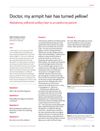
A 15-year-old boy's smelly, yellow armpit hair improved with clindamycin treatment.
January 1983 in “Elsevier eBooks” Masculinization in affected individuals occurs gradually after puberty due to hormone changes.
53 citations
,
May 1996 in “The Journal of Clinical Endocrinology & Metabolism” Different mutations in the 5 alpha-reductase-2 gene were found in affected individuals in the Dominican Republic, suggesting no common ancestry.
Hair transplantation can restore underarm hair after surgery, despite challenges.
 35 citations
,
April 2014 in “American Journal of Medical Genetics”
35 citations
,
April 2014 in “American Journal of Medical Genetics” Boys with less severe EDA mutations in XLHED have milder symptoms and better sweat and hair production.
October 1984 in “Kidney international” The patient had complex urinary tract issues and ambiguous genitalia, with physical features suggesting a hormonal imbalance.
 94 citations
,
April 2002 in “The Journal of clinical endocrinology and metabolism/Journal of clinical endocrinology & metabolism”
94 citations
,
April 2002 in “The Journal of clinical endocrinology and metabolism/Journal of clinical endocrinology & metabolism” A new gene mutation causes female pseudohermaphroditism due to glucocorticoid resistance.
April 2019 in “Journal of the Endocrine Society” Middle-aged men with unusual hot flashes should be checked for pituitary tumors.
21 citations
,
December 1977 in “Journal of pediatric surgery” Individuals with male pseudohermaphroditism often do better raised as females with early surgery.
 April 2024 in “Journal of Investigative Dermatology”
 Using quantitative traits in genetics can improve understanding and management of skin health and conditions.
2 citations
,
January 2007 in “Actas Dermo-Sifiliográficas” Two cases of hairy elbows syndrome were described, with normal skin texture and symmetrical hair growth.
2 citations
,
August 2014 in “Journal of the American Academy of Dermatology” A rare case of scleredema in a diabetic woman showed loss of sweat glands, causing heat strokes, with treatment only slightly improving symptoms.
January 2011 in “InTech eBooks” Pesticide exposure may increase the risk of hypospadias in males.
 18 citations
,
March 2009 in “Medical Hypotheses”
18 citations
,
March 2009 in “Medical Hypotheses” The document suggests that blocking sweat glands with antiperspirants might allow skin-generated hormones to be absorbed, possibly increasing breast and prostate cancer risk.
18 citations
,
June 2014 in “Anais Brasileiros de Dermatologia” Clouston Syndrome can be linked to rare sweat gland tumors.
 15 citations
,
May 2013 in “American Journal of Medical Genetics - Part A”
15 citations
,
May 2013 in “American Journal of Medical Genetics - Part A” People with X-linked hypohidrotic ectodermal dysplasia have no sweat ducts and less, thinner hair.

Targeting androgen receptors in the skin is the most effective treatment for hyperandrogenism-related skin issues.
 3 citations
,
May 1990 in “Journal of Steroid Biochemistry”
3 citations
,
May 1990 in “Journal of Steroid Biochemistry” Some women with excess hair growth have a hormone condition that can't be diagnosed by blood or urine tests alone.
October 2022 in “The Journal of Clinical Pharmacology” Men with early-onset hair loss have less cardiometabolic benefit from bromocriptine.
 56 citations
,
November 1993 in “Journal of The American Academy of Dermatology”
56 citations
,
November 1993 in “Journal of The American Academy of Dermatology” Capsaicin cream quickly relieved itching in two patients with brachioradial pruritus.