October 2019 in “DOAJ (DOAJ: Directory of Open Access Journals)” Menopausal acne is mainly caused by hormonal changes and can be managed with topical treatments, lifestyle changes, and sometimes medication.
 October 2007 in “Postgraduate obstetrics & gynecology”
 Testosterone therapy can help postmenopausal women with low sexual desire but needs more safety research and should be used with estrogen therapy.
 4 citations
,
December 2012 in “Arquivos Brasileiros De Endocrinologia E Metabologia”
4 citations
,
December 2012 in “Arquivos Brasileiros De Endocrinologia E Metabologia” A postmenopausal woman's masculine symptoms improved after surgery for a hormone-producing ovarian tumor.
 2 citations
,
October 2015 in “Obstetrics and gynaecology cases - reviews”
2 citations
,
October 2015 in “Obstetrics and gynaecology cases - reviews” Removing both ovaries may better treat increased male hormone levels and related symptoms in postmenopausal women when hormone therapy doesn't work.
84 citations
,
September 2014 in “European journal of endocrinology” Doctors should check for serious tumor causes of high androgen levels in postmenopausal women and more research is needed on this condition.
 November 2021 in “Khyber Medical University Journal”
 A rare ovarian tumor caused a postmenopausal woman to develop male-like features, which improved after surgery.
September 2021 in “The Scientific Issues of Ternopil Volodymyr Hnatiuk National Pedagogical University Series pedagogy” COVID-19 worsens urinary symptoms in men with benign prostatic hyperplasia, requiring careful treatment management.
 14 citations
,
October 2019 in “International Journal of Women's Health”
14 citations
,
October 2019 in “International Journal of Women's Health” Menopausal acne is treated with medications and lifestyle changes, but careful choice is needed due to side effects.
 January 2017 in “Springer eBooks”
 Eating a balanced diet with specific nutrients can help manage menopause symptoms and prevent related health issues.
 31 citations
,
September 2006 in “The Journal of Clinical Endocrinology & Metabolism”
31 citations
,
September 2006 in “The Journal of Clinical Endocrinology & Metabolism” Testosterone therapy may slightly improve sexual function in postmenopausal women, but its long-term safety is unknown.
1 citations
,
November 2022 in “Journal of the Academy of Consultation-Liaison Psychiatry” October 2025 in “Journal of the Endocrine Society” Goserelin injections can effectively manage hyperandrogenism symptoms in postmenopausal women who can't have surgery.
 2 citations
,
January 2012 in “Journal für Kardiologie (Krause & Pachernegg GmbH)”
2 citations
,
January 2012 in “Journal für Kardiologie (Krause & Pachernegg GmbH)” Hirsutism and alopecia during menopause can be diagnosed and treated with specific hormonal and topical therapies.
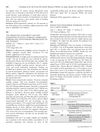 April 2016 in “The Journal of Sexual Medicine”
 PFS affects some women, steroids easily bought online, hypogonadism info unreliable, low testosterone linked to CVD.
97 citations
,
May 2004 in “British Journal of Urology” Dual therapy with specific medications can help manage male urinary symptoms and reduce side effects.
 5 citations
,
June 2004 in “The Journal of The British Menopause Society”
5 citations
,
June 2004 in “The Journal of The British Menopause Society” Testosterone therapy can improve sexual satisfaction and mood in surgically menopausal women when used with estrogen, but its long-term safety and effects on naturally menopausal and premenopausal women are unclear.
1 citations
,
June 2020 in “The Journal of Urology” April 2022 in “The Journal of Urology” Men may experience long-term sexual dysfunction after stopping Finasteride.
15 citations
,
May 2021 in “Climacteric” Postmenopausal hyperandrogenism involves excess male hormones causing symptoms like hair growth and acne, and requires ruling out tumors and other disorders.
 41 citations
,
November 2003 in “Annals of the New York Academy of Sciences”
41 citations
,
November 2003 in “Annals of the New York Academy of Sciences” Male hormones, or androgens, affect women's health in areas like mood and bone density, and hormone replacement therapy using antiandrogenic progestogens can improve mood disorders and alertness in menopausal women.
 November 2023 in “JCEM Case Reports”
 A postmenopausal woman's excess male hormone symptoms improved after her ovaries were removed.
 22 citations
,
January 2018 in “European urology focus”
22 citations
,
January 2018 in “European urology focus” New drugs and combination therapies are improving treatment for lower urinary tract symptoms.
October 2025 in “F1000Research” Postmenopausal women with excess male hormones may have ovarian tumors, and surgery usually cures them.
34 citations
,
April 2023 in “Climacteric” Gender-affirming hormone therapy affects health risks and requires careful management, especially as transgender individuals age.
 February 2021 in “Journal of nursing education and practice”
 Women and men experience different quality of life and symptom distress after kidney transplant with immunosuppressive therapy.
 September 2023 in “Gynäkologische Endokrinologie”
 Menopause causes skin and hair to become drier and thinner, but hormone therapy can improve these conditions.
5 citations
,
July 2023 in “Journal of Diabetes & Metabolic Disorders”  22 citations
,
February 2014 in “Arquivos Brasileiros De Endocrinologia E Metabologia”
22 citations
,
February 2014 in “Arquivos Brasileiros De Endocrinologia E Metabologia” An 81-year-old woman's severe male hormone symptoms were caused by an ovarian tumor, which was treated with surgery.
 51 citations
,
April 1999 in “The Journal of Steroid Biochemistry and Molecular Biology”
51 citations
,
April 1999 in “The Journal of Steroid Biochemistry and Molecular Biology” Testosterone replacement may improve sexual desire and bone health in women with low androgen levels, but more research is needed on its long-term safety.
 5 citations
,
January 2017 in “Acta Endocrinologica”
5 citations
,
January 2017 in “Acta Endocrinologica” High androgen levels in postmenopausal women may suggest an ovarian tumor, and removing it can improve heart and metabolic health.