10 citations
,
June 2019 in “Journal of the European Academy of Dermatology and Venereology” The document emphasizes standardized, comprehensive training for dermatology and venereology specialists across Europe.
 2 citations
,
June 2006 in “Experimental dermatology”
2 citations
,
June 2006 in “Experimental dermatology” Skin patterns form through molecular signals and genetic factors, affecting healing and dermatology.
 1 citations
,
August 2012
1 citations
,
August 2012 The document discusses various diseases of the outer ear, categorized by symptoms like redness, crusts, bumps, pus-filled lesions, lumps, ulcers, and hair loss.
1 citations
,
October 2010 in “EUR Research Repository (Erasmus University Rotterdam)” Botryomycosis can be effectively treated with long-term oral antibiotics.
56 citations
,
December 1978 in “The Journal of Dermatologic Surgery and Oncology” Transplanting small skin grafts can successfully repigment leukoderma.
 13 citations
,
July 2019 in “Pediatric dermatology”
13 citations
,
July 2019 in “Pediatric dermatology” Pediatric dermatologists need to understand the unique skin health needs of LGBTQIA youth to provide better care.
1 citations
,
August 2004 in “Journal of Investigative Dermatology Symposium Proceedings” Adult somatic stem cells could be used for future skin therapies.
A thorough skin history and examination are essential for diagnosing and treating skin conditions effectively.
9 citations
,
June 2021 in “Biological reviews/Biological reviews of the Cambridge Philosophical Society” Understanding molecular pathways is key to improving organ regeneration.
 53 citations
,
January 2017 in “Skin appendage disorders”
53 citations
,
January 2017 in “Skin appendage disorders” Botulinum toxin shows promise for various skin conditions but requires more research for confirmation and standardized use.
 September 1995 in “American Journal of Contact Dermatitis”
 Antiyeast treatments work better for seborrheic dermatitis than steroids, and other findings include increased skin bacteria under plastic wrap, a nasal cell defect in Staphylococcus aureus carriers, quick resolution of certain skin reactions, high rubber latex allergy in spina bifida patients, and glyceryl monopentadecanoate's effectiveness for male hair loss.
33 citations
,
January 1996 in “CRC Press eBooks” Various techniques help study skin conditions and test drug effects.
 April 2017 in “Journal of Investigative Dermatology”
 A boy with Oculodentodigital syndrome had a unique GJA1 gene mutation causing his symptoms.
 20 citations
,
August 2019 in “Journal of Telemedicine and Telecare”
20 citations
,
August 2019 in “Journal of Telemedicine and Telecare” Dermatologists found teledermatology useful and confidence-boosting for diagnosing skin conditions, but faced limitations like technical issues and prescription restrictions. Despite this, they saw its potential to improve access to skin care, especially in remote areas.
 1 citations
,
June 2013 in “Medicine”
1 citations
,
June 2013 in “Medicine” A thorough skin history and full examination are important for diagnosing and understanding the impact of skin diseases.
64 citations
,
March 2004 in “Journal of Clinical Investigation” Targeting ornithine decarboxylase can help prevent skin cancer.
 July 2014 in “Disease-a-Month”
 The document gives treatment advice for various skin conditions, like using metronidazole for perioral dermatitis and minoxidil for hair loss.
35 citations
,
July 2018 in “BMJ Open” People with atopic dermatitis have a higher risk of developing keloids, especially women, those under 40, and those with severe symptoms.
 31 citations
,
January 2021 in “Experimental Dermatology”
31 citations
,
January 2021 in “Experimental Dermatology” Skin organoids are a promising new model for studying human skin development and testing treatments.
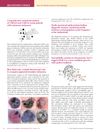 January 2012 in “Journal of Investigative Dermatology”
 Some Greek melanoma patients have gene mutations linked to increased cancer risk, a new color feature helps diagnose melanoma, the incidence of a skin condition in the Netherlands is rare, and a gene possibly affects male-pattern baldness.
21 citations
,
January 2008 in “Indian Journal of Dermatology Venereology and Leprology”  50 citations
,
April 2014 in “Nature Communications”
50 citations
,
April 2014 in “Nature Communications” The research identified new skin traits in mice, some linked to human skin conditions.
May 2024 in “Frontiers in Medicine” Targeted immunological therapies offer safer and more effective treatments for skin conditions like eczema and psoriasis.

Skin changes can reveal serious hormone-related diseases, helping save lives.
 January 2020 in “International Journal of Research in Medical Sciences”
 Dermatology referrals improve patient care, but non-dermatologists need better training in skin conditions.
 April 2023 in “Journal of Investigative Dermatology”
 Mutations in the SHH pathway in certain skin cells can cause skin tumors and abnormal hair growth.
11 citations
,
November 1998 in “Journal of dermatological science” Knocking out certain genes in mice helps understand skin and hair growth problems.
28 citations
,
July 1993 in “The journal of investigative dermatology/Journal of investigative dermatology” 29 citations
,
June 2020 in “International Journal of Molecular Sciences” Notch signaling disruptions can cause various skin diseases.
86 citations
,
November 2020 in “Annals of Oncology” Early intervention and tailored management can reduce skin side effects from cancer treatments.