 41 citations
,
October 2011 in “Clinical and Experimental Dermatology”
41 citations
,
October 2011 in “Clinical and Experimental Dermatology” G allele of AR Stul polymorphism linked to higher hair loss risk, especially in white people.
10 citations
,
March 2021 in “Clinical Cosmetic and Investigational Dermatology” Certain gene variants are linked to severe acne, especially in males.

Wild African goats have genetic adaptations for surviving harsh desert conditions.
 85 citations
,
June 2015 in “Scientific Reports”
85 citations
,
June 2015 in “Scientific Reports” The study found that diseases can be grouped by symptoms and that the accuracy of predicting disease-related genes varies with the data source.
 1 citations
,
November 2015 in “Indian Journal of Clinical Biochemistry”
1 citations
,
November 2015 in “Indian Journal of Clinical Biochemistry” The conference presented findings on how vitamin D levels, genetic factors, and lifestyle choices like smoking and yoga affect various health conditions and diseases.
 July 2023 in “Research Square (Research Square)”
 Certain gut bacteria may protect against alopecia areata, while others may increase the risk.
 24 citations
,
June 2012 in “BMC Research Notes”
24 citations
,
June 2012 in “BMC Research Notes” The HGCA tool helps identify genes that work together by analyzing their co-expression patterns.
 6 citations
,
January 2020 in “Czech Journal of Animal Science”
6 citations
,
January 2020 in “Czech Journal of Animal Science” The FAT1 gene and its variations can help improve wool quality in Chinese Merino sheep through selective breeding.
 1 citations
,
July 2012 in “British Journal of Dermatology”
1 citations
,
July 2012 in “British Journal of Dermatology” New treatments and management strategies for skin conditions like melanoma and Spitz naevi were discussed at the dermatologists' meeting.
 September 2024 in “Egyptian Journal of Medical Human Genetics”
 Consider NF1 in newborns with rare congenital anomalies.
 March 2024 in “Frontiers in genetics”
 Xiangdong black goats have moderate genetic diversity, minimal inbreeding, and important genes for reproduction, immunity, and other traits.
 1 citations
,
October 2013 in “Our Dermatology Online”
1 citations
,
October 2013 in “Our Dermatology Online” 5α reductase type 2 enzyme mutation and oxidative stress may increase androgenetic alopecia risk in Egyptians.
 April 2026 in “Frontiers in Pharmacology”
 Many medications may be linked to cognitive disorders, but most lack warnings on labels.
 1 citations
,
November 2025 in “Clinical Cosmetic and Investigational Dermatology”
1 citations
,
November 2025 in “Clinical Cosmetic and Investigational Dermatology” Sleep patterns might be linked to hair loss, but more research is needed.
 March 2024 in “PLoS medicine”
 Physical activity, height, and smoking affect prostate cancer risk.
 4 citations
,
December 2012 in “Human Biology”
4 citations
,
December 2012 in “Human Biology” The most different genetic segment between Africans and East Asians is the EDA2R/AR region, with two main types influenced by population changes and natural selection, and linked to baldness.
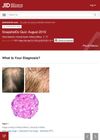 July 2019 in “Journal of Investigative Dermatology”
 The research found that male pattern hair loss is mostly genetic and involves hair thinning due to hormonal effects and changes in gene expression.
 43 citations
,
June 2018 in “Clinics in dermatology”
43 citations
,
June 2018 in “Clinics in dermatology” People with atopic dermatitis are more likely to develop other skin conditions due to shared genetics and immune pathways.
 11 citations
,
February 2021 in “Biomedicines”
11 citations
,
February 2021 in “Biomedicines” Bacteria in our hair can affect its health and growth, and studying these bacteria could help us understand hair diseases better.
31 citations
,
August 2023 in “Cell Genomics” The Tyrolean Iceman had mostly Anatolian farmer ancestry and traits like darker skin and a risk for certain health issues.
12 citations
,
January 2018 in “Journal of Clinical Laboratory Analysis” Certain IL-18 gene variations may increase the risk of alopecia areata.
Genetic analysis of rabbits identified key genes for traits like coat color, body size, and fertility.
 September 2023 in “Nature Communications”
 Rare genetic variants in five specific genes are linked to male-pattern hair loss but only account for a small part of the risk.
November 2022 in “Journal of Investigative Dermatology” Rare genetic variants in 125 genes are linked to male-pattern hair loss.
15 citations
,
April 2024 in “Animals” Inner Mongolia cashmere goats have the lowest inbreeding, aiding future breeding and conservation.
October 2021 in “Journal of Investigative Dermatology” No significant link between male pattern baldness and severe Covid-19, but some shared biological pathways exist.
3 citations
,
July 2024 in “Skin Research and Technology” Asthma may increase the risk of alopecia areata.
May 2025 in “Clinical Proteomics” Key proteins and potential drugs for treating alopecia areata were identified.
1 citations
,
January 2025 in “Clinical Cosmetic and Investigational Dermatology” Higher levels of certain proteins may increase or decrease rosacea risk.
39 citations
,
January 2020 in “Frontiers in Genetics” PDGFC gene may help select goats with desirable curly wool traits.