9 citations
,
January 2021 in “Acta Cirúrgica Brasileira” Dipotassium glycyrrhizinate helps wounds heal faster, especially in the early stages.
47 citations
,
September 1995 in “British Journal of Dermatology” Diphencyprone therapy for hair loss can cause vitiligo.
 21 citations
,
September 2015 in “Journal of the European Academy of Dermatology and Venereology”
21 citations
,
September 2015 in “Journal of the European Academy of Dermatology and Venereology” Yellow and orange colors are important for diagnosing certain skin conditions.
 March 2026 in “Indian Dermatology Online Journal”
 Hair dye ingredient PPD can cause severe allergic reactions, including facial swelling.
31 citations
,
November 1986 in “Journal of the American Academy of Dermatology”  November 2023 in “Journal of cosmetic dermatology”
 The 595-nm pulsed dye laser effectively reduces symptoms of EFFC with minimal side effects.
66 citations
,
February 1985 in “Archives of dermatological research” Hair dyes penetrate the scalp very minimally, less than 1%.

Camel hair textiles treated with Rose Bengal effectively kill bacteria under light.
1 citations
,
October 2025 in “Ophthalmology Science” Lower doses of topotecan are safe for eyes, but higher doses may harm the retina.
 56 citations
,
January 1996 in “Journal of Forensic Sciences”
56 citations
,
January 1996 in “Journal of Forensic Sciences” Dye enters hair at the edges of cuticle cells and penetrates more from water than alcohol-based solutions.
 May 2026 in “Zenodo (CERN European Organization for Nuclear Research)”
 The herbal mehendi gel safely colors hair naturally while nourishing and protecting the scalp.

The laser treatment effectively and safely improves hair lightening, pigment clearance, and skin rejuvenation.

Dandelion-derived carbon dots effectively kill bacteria and speed up wound healing.
5 citations
,
January 2004 in “Journal of applied polymer science” Urea helps hair dye penetrate better and last longer.
 September 2024 in “Journal of Clinical Medicine”
 Permanent makeup can cause delayed allergic reactions, but they can be managed with proper treatment.
December 2018 in “Dermatologic Surgery” Using a 25% trichloroacetic acid peel improves dermabrasion results in vitiligo surgery.
April 2023 in “Pharmacognosy Magazine” Cerasus serrulata flower extracts can help turn grey hair black again.
20 citations
,
August 1981 in “Developmental Medicine & Child Neurology” 13 citations
,
June 1981 in “Developmental Medicine & Child Neurology” 1 citations
,
December 2023 in “Skin Research and Technology” Combining hair follicle transplantation and a 308 nm excimer laser effectively treats perioral vitiligo without unwanted hair growth.
 13 citations
,
August 2019 in “Biological & Pharmaceutical Bulletin”
13 citations
,
August 2019 in “Biological & Pharmaceutical Bulletin” Certain flavonoids help grow back colored hair after skin injury.
 2 citations
,
November 2020 in “Scientific Reports”
2 citations
,
November 2020 in “Scientific Reports” Metallic-glass coated needles reduce skin trauma and improve tattoo quality.
 11 citations
,
June 2013 in “Journal of Chemical Education”
11 citations
,
June 2013 in “Journal of Chemical Education” Minoxidil detects nitrite in water, creating a simple, cheap test.
 July 2018 in “Journal of The American Academy of Dermatology”
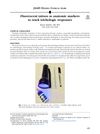
 Fluorescent tattoos are a good way to mark the scalp for hair treatments because they're accurate, invisible in normal light, and have low risk.
9 citations
,
January 2021 in “Mediators of Inflammation” 15d‐PGJ2 cream protects against UVB-induced skin damage in mice.
 15 citations
,
January 2003 in “Lasers in Surgery and Medicine”
15 citations
,
January 2003 in “Lasers in Surgery and Medicine” Cold air and a chilled sapphire window both protect the skin during laser treatments, and work better with water or gel, especially for darker skin.
 36 citations
,
March 2014 in “Biomaterials”
36 citations
,
March 2014 in “Biomaterials” A new skin-whitening agent using a peptide from wheat is safe and effective at reducing skin pigmentation.
 August 2023 in “International Journal of Nanomedicine”
 A new wound healing treatment using a graphene-based material with white light speeds up healing and reduces infection and scarring.
 June 2026 in “Applied and Computational Engineering”
 Understanding different hair dye types can make them safer and better.
 May 2024 in “Brazilian Journal of Hair Health”
 Phototherapy with red and blue light can effectively treat hair loss.