 8 citations
,
September 2021 in “Skin appendage disorders”
8 citations
,
September 2021 in “Skin appendage disorders” Trichotillomania treatment is most successful with a mix of behavioral therapy, medication, and social support.
3 citations
,
January 2021 in “Therapeutic advances in infectious disease” A 9-year-old girl with a healthy immune system was successfully treated for a severe fungal scalp infection caused by Microsporum audouinii.
 2 citations
,
November 1999 in “Hair transplant forum international”
2 citations
,
November 1999 in “Hair transplant forum international” The document's conclusion cannot be provided because the document is not accessible.
 November 1996 in “Inpharma Weekly”
 Lotion with piroctone olamine and triclosan improves hair loss in men.
 July 2023 in “Al-Azhar Assiut Medical Journal”
 Trichoscopy helps diagnose and manage hair and scalp disorders in children.
June 2023 in “Journal of Biosciences and Health” Healthy dogs and cats often carry skin fungi without showing symptoms, which can spread to others.
2 citations
,
January 2012 Androgenetic alopecia is the only hair loss condition with specific diagnostic criteria in trichoscopy.
13 citations
,
July 2003 in “Annals of the Rheumatic Diseases” Co-trimoxazole successfully treated a girl with multiple autoimmune symptoms.
1 citations
,
May 2002 in “AAP Grand Rounds” Tinea capitis, though rare in infants, should be considered for hair loss or scalp issues, with oral griseofulvin as the recommended treatment.
April 2026 in “Indian Journal of Paediatric Dermatology” Trichoscopy is vital for diagnosing tinea capitis in adolescents with lupus.
 1 citations
,
January 2025 in “medRxiv”
1 citations
,
January 2025 in “medRxiv” Trichotillomania may have a genetic link to psychiatric disorders.
 15 citations
,
November 2016 in “Journal of The American Academy of Dermatology”
15 citations
,
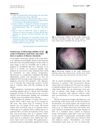
November 2016 in “Journal of The American Academy of Dermatology” Exclamation mark hairs suggest early scalp disease, while white dots indicate it's chronic.
37 citations
,
October 2010 in “JDDG Journal der Deutschen Dermatologischen Gesellschaft” Griseofulvin is the best treatment for tinea capitis in children, but more research is needed on other treatments and safety.
1 citations
,
April 2018 in “Turkish Journal of Dermatology” Childhood hypertrichosis is excessive hair growth not linked to hormones, with types based on location and origin.
 2 citations
,
January 2023 in “Journal of Education, Health and Sport”
2 citations
,
January 2023 in “Journal of Education, Health and Sport” Cognitive-behavioral therapy with habit reversal training is the most effective treatment for trichotillomania.
Topical GT20029 effectively promotes hair regrowth and is well-tolerated.
 1 citations
,
November 2017 in “Skin appendage disorders”
1 citations
,
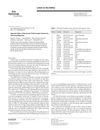
November 2017 in “Skin appendage disorders” Ingrown hairs are a common feature in scarring alopecias due to follicular damage.
5 citations
,
June 2015 in “Chinese journal of natural medicines/Zhongguo tianran yaowu/Chinese Journal of Natural Medicines” Tripterygium wilfordii multiglycoside effectively reduced prostate enlargement in rats without harmful effects.
 3 citations
,
May 2011 in “Journal of the American Academy of Dermatology”
3 citations
,
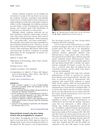
May 2011 in “Journal of the American Academy of Dermatology” A woman's excessive hair growth around a leg ulcer was linked to a treatment with Prostaglandin E1 ointment.
8 citations
,
February 2023 in “Actas Dermo-Sifiliográficas” Dermatologists should learn trichoscopy to better diagnose hair loss conditions.
 3 citations
,
April 2016 in “International Journal of Dermatology”
3 citations
,
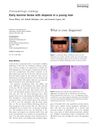
April 2016 in “International Journal of Dermatology” A young man was diagnosed with trichoepitheliomas, causing thick skin and hair loss.
 January 2019 in “The Egyptian Journal of Hospital Medicine”
 Trichoscopy helps effectively tell apart different types of patchy hair loss in Egyptian patients.
 June 2026 in “Journal of Korean Medicine”
 Long-term repeated cupping therapy can cause unexpected localized hair growth.
4 citations
,
January 2013 in “International Journal of Trichology” Monilethrix has no effective treatment, but avoiding hair trauma helps manage it.
Fenugreek seeds and Butea monosperma flowers may help reduce hair loss from chemotherapy.
 2 citations
,
January 2020 in “BioMed Research International”
2 citations
,
January 2020 in “BioMed Research International” Phaeodactylum tricornutum extract helps hair follicle cells grow by activating the ERK1/2 pathway.
The trichohyalin gene is located at chromosomal region 1q21 with other skin-related protein genes.
 3 citations
,
April 2012 in “Bioinformation”
3 citations
,
April 2012 in “Bioinformation” Two specific SNPs in the TRPS1 gene cause excessive hair growth by altering the protein's structure.
54 citations
,
September 1999 in “PubMed” K15 staining helps distinguish basal cell carcinoma from trichoepithelioma.
 1 citations
,
June 2021 in “bioRxiv (Cold Spring Harbor Laboratory)”
1 citations
,
June 2021 in “bioRxiv (Cold Spring Harbor Laboratory)” GTL1 is needed to control root hair growth and prevent problems when there are too many nutrients.