 May 2024 in “British journal of dermatology/British journal of dermatology, Supplement”
 Hair follicles in androgenetic alopecia age faster, especially in the front.
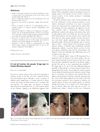
December 2023 in “JEADV Clinical Practice” Brownish halos around axillary hair can help diagnose frontal fibrosing alopecia.
 49 citations
,
August 2003 in “Journal of The American Academy of Dermatology”
49 citations
,
August 2003 in “Journal of The American Academy of Dermatology” Higher IGF-1 levels in hair follicles link to better finasteride results for hair loss.
April 2023 in “Journal of Investigative Dermatology” IL-17 plays a key role in severe hair loss in chronic alopecia areata.
July 2025 in “Journal of Drug Delivery Science and Technology” Hydrogel microneedles with special nanoparticles and growth factor improve hair growth better than minoxidil for hair loss treatment.
 May 2023 in “Stem cell research & therapy”
 New method efficiently isolates hair growth cells from newborn mouse skin.
 January 2026 in “Figshare”
 ASLNC168501 may help treat hair loss by boosting hair follicle stem cell activity.
1 citations
,
July 2015 in “Microscopy Research and Technique” Friedreich's ataxia causes thin, weak hair with surface damage and cavities.
 39 citations
,
July 2015 in “British Journal of Dermatology”
39 citations
,
July 2015 in “British Journal of Dermatology” The pseudo 'fringe sign' can also appear in frontal fibrosing alopecia, not just in traction alopecia, showing that this condition may be more common than thought.
 1 citations
,
December 2020 in “bioRxiv (Cold Spring Harbor Laboratory)”
1 citations
,
December 2020 in “bioRxiv (Cold Spring Harbor Laboratory)” Sox9 levels in brain stem cells affect whether they stay as stem cells or become neurons.
4 citations
,
October 2024 in “Experimental Dermatology” CD8A and FOXD2-AS1 may be key for diagnosing and treating alopecia areata.
 October 2023 in “Benha Journal of Applied Sciences”
 PPAR-γ may be a key target for treating alopecia areata and other skin conditions.
 2 citations
,
December 2016 in “Experimental cell research”
2 citations
,
December 2016 in “Experimental cell research” The research found a way to identify and study skin cells with stem cell traits, revealing they behave differently in culture and questioning current stemness assessment methods.
May 2010 in “Europe PMC (PubMed Central)” Near-infrared probes can safely and effectively image cysteine protease activity for disease diagnosis.
9 citations
,
December 1996 in “Cell Biology and Toxicology” Hair follicle cells produce VEGF, which can promote blood vessel cell growth and movement.
 12 citations
,
February 2014 in “PLoS ONE”
12 citations
,
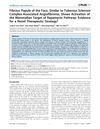
February 2014 in “PLoS ONE” Topical rapamycin may effectively treat fibrous papules on the face.
January 2024 in “Doria (University of Helsinki)” Keratins help GLUT2 stay on the cell membrane in pancreatic β-cells.
24 citations
,
February 1986 in “Cancer” A pancreatic tumor caused high glucagon levels and symptoms, but treatment reduced glucagon and shrank liver tumors.
 January 2026 in “Figshare”
 ASLNC168501 may help restore hair growth in androgenetic alopecia by improving hair follicle stem cell function.
141 citations
,
November 2007 in “Journal of Investigative Dermatology” Balding cells age faster due to stress, suggesting stress-targeting treatments for hair loss.
 February 2021 in “Journal of The American Academy of Dermatology”
 Fibrosis in the bulge area of hair follicles can cause hair thinning in male pattern baldness, and drugs that inhibit fibrosis might help reverse this.
 January 2025 in “Revista del Centro Dermatológico Pascua”
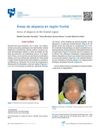
 Early diagnosis and treatment can help manage fibrosing alopecia in older women.
6 citations
,
December 2023 in “Journal of Molecular Cell Biology” Removing Gsdma1/2/3 genes reduces skin cell overgrowth by blocking a specific cell pathway.
 September 2023 in “Journal of the European Academy of Dermatology and Venereology”
 The Gabrin sign may help identify COVID-19 patients at high risk who also have hair loss due to male hormones.

Inhibiting AP-1 changes skin tumor types and affects tumor cell identity.
 April 2023 in “The journal of investigative dermatology/Journal of investigative dermatology”
 Too much IKZF1 and Ikaros protein may cause alopecia areata.
4 citations
,
February 2013 in “PubMed” A3 antibody helps identify key cells in rat hair follicle development.
 28 citations
,
March 2010 in “Histochemistry and Cell Biology”
28 citations
,
March 2010 in “Histochemistry and Cell Biology” Different markers are found in stem cells of the scalp's hair follicle bulge and the surrounding skin.
July 2024 in “Clinical Case Reports” Recognizing rare hair loss patterns in young females can improve understanding and treatment.
Fgf20 helps form hair follicle structures by stopping cell division and increasing cell movement.