 May 2026 in “Open Access CRIS of the University of Bern”
 GLP-1 receptor agonists can both help and harm hair, so careful monitoring is needed.
23 citations
,
December 2008 in “Current medicinal chemistry” Stimulating sensory neurons can increase IGF-I production, which may help treat various diseases and improve tissue health.
 December 2025 in “Frontiers in Endocrinology”
 High chromogranin A levels are linked to obesity and inflammation in polycystic ovary syndrome.
5 citations
,
August 2024 in “Cureus” GLP-1 receptor agonists help women with PCOS lose weight and improve health, but more research is needed on long-term effects.
 41 citations
,
November 2013 in “Experimental Dermatology”
41 citations
,
November 2013 in “Experimental Dermatology” Leptin, a hormone, is important for starting hair growth.
 April 2026 in “Journal of Clinical Medicine”
 GLP-1 RAs may help wound healing but can also cause faster facial aging and skin issues.
 10 citations
,
February 2013 in “British Journal of Dermatology”
10 citations
,
February 2013 in “British Journal of Dermatology” Thyrotropin-releasing hormone may help control skin and hair growth and could aid in treating related disorders.
 24 citations
,
October 1995 in “The Journal of clinical endocrinology and metabolism/Journal of clinical endocrinology & metabolism”
24 citations
,
October 1995 in “The Journal of clinical endocrinology and metabolism/Journal of clinical endocrinology & metabolism” The nafarelin test can reliably distinguish between gonadotropin deficiency and delayed puberty in teenage boys.
 4 citations
,
June 1998 in “The Journal of Clinical Endocrinology & Metabolism”
4 citations
,
June 1998 in “The Journal of Clinical Endocrinology & Metabolism” KGF and its receptor are found in enlarged prostate tissue and KGF strongly increases cell growth.
4 citations
,
January 2007 in “Gynecological endocrinology” Low leptin levels in obese women with high testosterone may indicate a tumor that secretes male hormones.
 January 2024 in “Experimental and clinical endocrinology & diabetes”
 A low-glycemic diet improved hormone levels and well-being in overweight women with high androgen levels.

GLP-1 receptor agonists increase the risk of hair loss, mainly due to nutrient deficiency from weight loss.

GLP-1 receptor agonists for weight loss may cause hair loss, especially in women.
 October 2025 in “JEADV Clinical Practice”
 GLP-1 receptor agonists may increase the risk of a specific type of hair loss called androgenetic alopecia.

GLP-1 receptor agonists increase the risk of hair loss, mainly due to weight loss-related nutrient deficiency.
November 2011 in “Journal of Investigative Dermatology” TRH in hair follicles can influence hair color by increasing melanin.
5 citations
,
January 2022 in “Health Science Reports” Gremlin proteins help regulate hair growth by balancing signals in hair follicles.
May 2026 in “Dermatologic Surgery” GLP-1RAs may cause hair loss but could also help regrow hair in some cases.
 38 citations
,
April 2017 in “PLOS Genetics”
38 citations
,
April 2017 in “PLOS Genetics” GRHL3 is important for controlling gene activity in skin cells during different stages of their development.
 27 citations
,
December 2013 in “Endocrinology”
27 citations
,
December 2013 in “Endocrinology” Researchers created a mouse model for Cushing's syndrome to study glucocorticoid excess and potential treatments.
 49 citations
,
November 2014 in “Journal of Medicinal Food”
49 citations
,
November 2014 in “Journal of Medicinal Food” Red Ginseng Extract may help human hair grow by activating growth pathways and blocking negative effects of certain hormones.
 10 citations
,
November 2015 in “Experimental Dermatology”
10 citations
,
November 2015 in “Experimental Dermatology” Skin RAGE levels are linked to inflammation and cell death.
 August 2024 in “Nutrition Bulletin”
 GLP-1 receptor agonists help with weight loss but need to be combined with other treatments for best results.
21 citations
,
April 2016 in “International Journal of Oncology” GnRH treatment can reduce breast cancer cell invasion.
 36 citations
,
May 2011 in “The Journal of Clinical Endocrinology & Metabolism”
36 citations
,
May 2011 in “The Journal of Clinical Endocrinology & Metabolism” Treatment with a hormone agonist can reduce excess male hormones in postmenopausal women without surgery.
31 citations
,
January 2025 in “Journal of the American Academy of Dermatology” GLP-1 RA medications may be linked to hair loss.
14 citations
,
December 2021 in “International journal of molecular sciences” Growth hormone levels affect hair growth and loss, with too much causing excess hair and too little leading to hair loss.
 February 2025 in “medRxiv (Cold Spring Harbor Laboratory)”
 GLP-1 agonists may increase the risk of hair loss.
11 citations
,
January 2015 in “Journal of cellular physiology” HR protein causes abnormal hair cycles by increasing Tgf-β2 and reducing miR-31.
 7 citations
,
December 2008 in “Journal of Dermatological Science”
7 citations
,
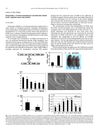
December 2008 in “Journal of Dermatological Science” Progranulin overexpression leads to shorter, thinner hair and increased cell death in mouse hair follicles.