 March 2014 in “Anais Brasileiros de Dermatologia”
 Hair follicles are a key source of stem cells for skin repair and could help treat baldness.
 January 2014 in “Pathology”
 The document concludes that understanding nail anatomy is key for diagnosing nail diseases, early signs of nail melanoma may allow for less aggressive treatment, and specific genetic mutations are important in thyroid cancer prognosis and treatment.
 January 2014 in “Progress of Digestive Endoscopy”
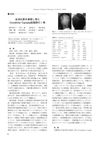
 Prednisolone improved symptoms in a woman with Cronkhite-Canada syndrome, but regular screenings are needed due to cancer risk.
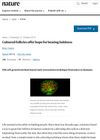
Growing hair follicles from cultured cells could potentially treat baldness, but more research is needed.
July 2013 in “University of Southern California Digital Library” New stem cells in nails and sweat glands can regenerate skin and hair.
January 2013 in “Journal of Tissue Engineering and Reconstructive Surgery” Inserting hair follicle units improved the development of tissue-engineered skin.
April 2012 in “J. Willard Marriott Library” Cannabinoids like THC and THCA get into hair through skin oils, not hair color.
 April 2012 in “Informa Healthcare eBooks”
 The document concludes that diagnosing hair loss requires evaluating multiple histological features, as no single feature is definitive on its own.
 January 2012 in “Springer eBooks”
 The skin has different types of stem cells that can repair and regenerate tissue.
 January 2012 in “Journal für Kardiologie (Krause & Pachernegg GmbH)”
 Androgens can cause acne, excess hair, and hair loss, treatable with dermatologist-guided therapies.
January 2012 in “Chinese Journal of Aesthetic Medicine” Increased androgen receptor expression in certain hair follicle areas may cause male pattern baldness.
Tissue engineering advancements are improving skin substitutes for better burn treatment.
 December 2011 in “Ophthalmology”
 Demodex may be linked to blepharitis, and treatments like tea tree oil and ivermectin can help.
August 2011 in “동의생리병리학회지 = Journal of physiology & pathology in Korean Medicine” Green tea extract increases lipid production in human sebaceous gland cells.
January 2011 in “Leather Science and Engineering” Processing changes Sichuan rabbit skin structure by altering collagen fiber arrangement and porosity.
January 2011 in “Journal of Tissue Engineering and Reconstructive Surgery” Using dermal papillae cells and keratinocytes in skin substitutes speeds up healing and helps form hair follicles and glands.
March 2010 in “Gynecologic and Obstetric Investigation” Hirsutism in women can be a cosmetic issue or a sign of hormonal imbalance, treatable with hormonal and cosmetic methods.
January 2010 in “Chinese Journal of Aesthetic Medicine” Melasma skin has more melanin and signs of aging, with strong CK10 expression linked to cell differentiation and aging.
Preserving intact follicular units improves hair transplant success.
January 2009 in “Bradford Scholars (University of Bradford)” BMP signaling helps prevent skin tumors by blocking cancer-promoting pathways.
 April 2008 in “Expert review of dermatology”
 Mutations in the P2RY5 gene cause hereditary woolly hair.
January 2008 in “Chinese bulletin of Life sciences” Epidermal stem cells help renew skin and regenerate hair follicles.
January 2008 in “Infoscience (Ecole Polytechnique Fédérale de Lausanne)” Thymic epithelial cells may be related to skin stem cells.
 October 2007 in “Postgraduate obstetrics & gynecology”
 Testosterone therapy can help postmenopausal women with low sexual desire but needs more safety research and should be used with estrogen therapy.

research TOC
April 2007 in “Dermatologic Clinics” Understanding drug effects and careful monitoring are crucial for safe and effective dermatology treatments.
January 2007 in “Jiepouxue yanjiu” ES cell-derived stem cells can help regenerate skin and form gland-like structures.
 April 2006 in “Current Opinion in Endocrinology & Diabetes”
 Testosterone therapy can help improve sexual function, mood, and bone density in women with low androgen levels, but more research is needed on long-term safety.
January 2006 in “Elsevier eBooks” Most vertebrates can regenerate skin, nails, and corneas, but only some can regenerate teeth and lenses.
January 2006 in “Journal of Sun Yat-sen University” Engineered skin using stem cells and collagen sponge effectively healed and regenerated complex skin features in mice.
 April 2005 in “CRC Press eBooks”
 Excessive androgens in women with polycystic ovary syndrome can lead to excessive hair growth and hair loss, but this might not fully explain these conditions.