 1 citations
,
December 2021 in “Androgens”
1 citations
,
December 2021 in “Androgens” Testosterone and its metabolites affect brain functions and could help treat neurological disorders.
1 citations
,
March 2019 in “International Journal of Molecular Medicine” Mouse hair follicle cells can become heart-like cells without genetic changes.
1 citations
,
February 2025 in “Journal of the Neurological Sciences” Beta-trace protein may help diagnose and predict treatment response in certain nerve disorders.
1 citations
,
August 2022 in “Pigment Cell & Melanoma Research” New mouse models help study melanocytic cells for melanoma research.
 1 citations
,
April 2020 in “medRxiv (Cold Spring Harbor Laboratory)”
1 citations
,
April 2020 in “medRxiv (Cold Spring Harbor Laboratory)” The study found that Tourette Syndrome may be linked to certain immune system processes and synaptic signaling.
January 2026 in “Neurochemistry International” 24-Hydroxycholesterol reduces DHT formation in brain cancer cells, linking cholesterol and hormone metabolism.
January 2026 in “Indian Journal of Paediatric Dermatology” A rare case shows a possible link between Neurofibromatosis type 1 and Becker nevus due to genetic mutations.
 March 2025 in “Frontiers in Cell and Developmental Biology”
 Improving nerve and immune interactions may help heal chronic wounds.
 May 2023 in “bioRxiv (Cold Spring Harbor Laboratory)”
 Cannabidivarin (CBDV) helps new brain cells grow and develop in a specific brain area through a certain receptor.
Inhibiting mTORC2 can reduce DNA repair and increase cancer cell death, suggesting potential for targeted brain cancer treatments.
 November 2019 in “Synapse”
 Brain-made chemicals can control nerve cell function differently in various parts of a mouse's brain, which may help us understand neurological conditions.
September 2018 in “Practical diabetes” Sodium valproate is not recommended as a first-line treatment for neuropathy but may be used in resistant cases.
September 2016 in “Journal of Dermatological Science” Hair follicle stem cells can become heart muscle cells.
 October 2015 in “Regenerative Medicine”
 Two growth factors, PDGF and FGF2, can potentially be used together to grow enough cells for a hair loss treatment, but their exact function on human cells needs further confirmation.
January 2014 in “eScholarship (California Digital Library)” Targeting specific GABA receptors may help treat epilepsy and postpartum depression.
June 2026 in “Morphology” Macrophages play a crucial role in skin wound healing, with their numbers and sizes changing over time.
February 2026 in “Advanced Science” TTNPB helps turn stem cells into neural stem cells, improving depression-like behaviors in rats.
September 2025 in “Toxins” Botulinum toxins show promise in treating various conditions, but more research is needed for hair and scalp disorders.
Celiac disease requires more than just a gluten-free diet for effective management.
 January 2025 in “Cellular and Molecular Life Sciences”
 BMP4 helps stem cells turn into pigment-producing cells, affecting hair color and growth.
PRP therapy effectively treats hair loss, wrinkles, scars, ulcers, and skin pigmentation disorders.
Finasteride may cause memory problems by damaging the hippocampus.
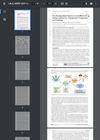 May 2024 in “International Journal of Nanomedicine”
 Biodegradable polymers can improve cannabinoid delivery but need more clinical trials.
 February 2024 in “Sučasna gastroenterologìâ”
 The patient was diagnosed with celiac disease after a long delay, showing the need for better awareness and earlier detection.
Using Minoxidil for hair loss might cause eye problems, but it's not certain.
1 citations
,
August 2025 in “Frontiers in Neuroscience” Cellular senescence may play a role in ALS, and anti-senescence therapies could be a promising treatment.
3 citations
,
January 1977 in “Electroencephalography and Clinical Neurophysiology” December 2022 in “Stem Cells and Development” Exosomes from stem cells help improve nerve repair in rats.
9 citations
,
May 2021 in “Frontiers in aging neuroscience” Taking triterpenoids from Ganoderma lucidum over a long time can help slow down brain aging and improve overall health in mice.
 July 2026 in “npj Regenerative Medicine”
 Gli2 and Serpinh1 are key for skin wound healing by helping fibroblasts close wounds.