62 citations
,
August 2006 in “Journal of Chromatography B” Modern techniques have improved the understanding of keratin proteins, revealing their roles in various cells and potential in disease diagnosis.
 21 citations
,
October 2018 in “European Journal of Pharmacology”
21 citations
,
October 2018 in “European Journal of Pharmacology” Chemotherapy can cause brain inflammation and damage, and understanding this process could help manage side effects.
19 citations
,
June 2013 in “Journal of Neuroendocrinology” Neurosteroids may help prevent seizures and slow epilepsy progression.
14 citations
,
January 2020 in “Research Journal of Pharmacy and Technology” Fat and hair follicle stem cells can become neurons, useful for treating brain diseases.
10 citations
,
July 2023 in “World Journal of Stem Cells” The secretome helps protect and regenerate retinal cells by enabling communication between stem cells and retinal cells.
4 citations
,
January 2016 in “Advances in experimental medicine and biology” Freezing and storing special stem cells from hair follicles keeps their ability to grow hair and turn into different cell types.
January 2026 in “Pharmaceutics” Extracellular vesicles can worsen Alzheimer's but also offer potential for diagnosis and treatment.
December 2004 in “Reproduction Fertility and Development” Porcine hair follicles are useful for studying keratinocyte function, with galectin-1 as a potential stem cell marker.
May 2026 in “European Cells and Materials” The new delivery system improves Alzheimer's symptoms by releasing Huperzine A slowly and effectively.
October 2025 in “Brazilian Journal of Veterinary Research and Animal Science” Neotropical porcupines can get co-infected with poxvirus and Toxoplasma gondii.
April 2017 in “The journal of investigative dermatology/Journal of investigative dermatology” Human hair follicles can be used to create heart muscle cells.
 September 2013 in “Science”
 Certain astrocytes can protect the brain and improve recovery after a stroke, and a hair loss drug might reduce cancer spread.
 18 citations
,
October 2021 in “Frontiers in Physiology”
18 citations
,
October 2021 in “Frontiers in Physiology” Lipocalin-Type Prostaglandin D2 Synthase (L-PGDS) is a protein that plays many roles in the body, including sleep regulation, pain management, food intake, and protection against harmful substances. It also affects fat metabolism, glucose intolerance, cell maturation, and is involved in various diseases like diabetes, cancer, and arthritis. It can influence sex organ development and embryonic cell differentiation, and its levels can be used as a diagnostic marker for certain conditions.
 July 1989 in “British Journal of Dermatology”
 Long-term use of canthaxanthin may cause reversible changes in the eye, including crystal deposits and altered vision responses.
 228 citations
,
September 2012 in “Trends in Neurosciences”
228 citations
,
September 2012 in “Trends in Neurosciences” Nerves are crucial for the regeneration of various body parts in many animals.
 101 citations
,
November 2011 in “Nature Communications”
101 citations
,
November 2011 in “Nature Communications” Wnt/β-catenin signaling is crucial for cell fusion in placental development.
 29 citations
,
January 2021 in “Translational Psychiatry”
29 citations
,
January 2021 in “Translational Psychiatry” The research suggests that Tourette syndrome is linked to both brain signaling and immune system pathways.
 24 citations
,
November 2016 in “Cell death and disease”
24 citations
,
November 2016 in “Cell death and disease” Skin-derived stem cells can become various cell types, including germ cell-like and oocyte-like cells.
 24 citations
,
July 1994 in “Molecular Endocrinology”
24 citations
,
July 1994 in “Molecular Endocrinology” Researchers found an RNA transcript that might help control a growth factor linked to tumor development.
 8 citations
,
May 2017 in “IUBMB life”
8 citations
,
May 2017 in “IUBMB life” Astrotactin proteins are important for brain and skin development and are linked to several neurodevelopmental disorders.
 220 citations
,
August 1988 in “Clinical endocrinology”
220 citations
,
August 1988 in “Clinical endocrinology” Melatonin may help with sleep issues, depression, and cancer, but more research is needed.
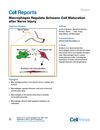 130 citations
,
September 2018 in “Cell Reports”
130 citations
,
September 2018 in “Cell Reports” Macrophages help heal nerves by aiding the maturation of Schwann cells and are important for nerve repair.
 82 citations
,
August 2006 in “Pharmacology, Biochemistry and Behavior”
82 citations
,
August 2006 in “Pharmacology, Biochemistry and Behavior” Certain steroids in the brain affect mood and symptoms of depression, and treatments targeting these steroids show promise for improving these symptoms.
 77 citations
,
February 2017 in “Stem Cell Reports”
77 citations
,
February 2017 in “Stem Cell Reports” SHISA6 helps maintain certain stem cells in mouse testes by blocking signals that would otherwise cause them to differentiate.
70 citations
,
January 2014 in “International review of cell and molecular biology” Keratin proteins are crucial for healthy skin, but mutations can cause skin disorders with no effective treatments yet.
 67 citations
,
December 2009 in “Stem Cells”
67 citations
,
December 2009 in “Stem Cells” β-Catenin signaling is involved in brain cell growth after injury and could be a therapy target.
 66 citations
,
March 2019 in “Cellular and Molecular Life Sciences”
66 citations
,
March 2019 in “Cellular and Molecular Life Sciences” Melanocyte development from neural crest cells is complex and influenced by many factors, and better understanding could help treat skin disorders.
 57 citations
,
June 2018 in “Nutrients”
57 citations
,
June 2018 in “Nutrients” Celiac disease can cause skin problems that may get better with a gluten-free diet.
 39 citations
,
May 2014 in “Frontiers in Pharmacology”
39 citations
,
May 2014 in “Frontiers in Pharmacology” Special immune cells called Tregs can help prevent lung scarring by blocking a specific growth factor.
 35 citations
,
August 2010 in “The American journal of pathology”
35 citations
,
August 2010 in “The American journal of pathology” Researchers created a new mouse model for studying Citrullinemia Type I and similar conditions, showing symptoms and treatment responses like those in humans.