Search
for
Sort by
Research
510-540 / 1000+ results
research Effect of diode pumping solid state laser with wavelength 589 nm on gene expression of interlukine-2 and interferon-gamma Lowercase in human T-lymphocytes
A 589 nm laser increases IL-2 and IFN-y gene expression in human T-cells.
research In Vitro Assembly and Structure of Trichocyte Keratin Intermediate Filaments
Scientists successfully created mouse hair proteins in the lab, which are stable and similar to natural hair.
research Keratins as an Inflammation Trigger Point in Epidermolysis Bullosa Simplex
Mutant keratins cause inflammation in Epidermolysis Bullosa Simplex, suggesting targeting them could help treat the disorder.
research Integration of Point-of-Care Technology in the Decoding Process of Single Nucleotide Polymorphism for Healthcare Application †
Portable point-of-care testing can improve quick and accurate genetic disorder detection.
research SASH1 Mutations and Hereditary Disorders of Pigmentation: Review of Literature
SASH1 gene mutations are linked to various inherited skin pigmentation disorders.

research Biomedical applications of organoids in genetic diseases
Organoids help study and treat genetic diseases, offering personalized medicine and therapy testing.

research Selection signatures in goats reveal a novel deletion mutant underlying cashmere yield and diameter
A specific genetic deletion in goats affects cashmere yield and thickness.
research Correction of ornithine transcarbamylase (OTC) deficiency in spf‐ash mice by introduction of rat OTC gene
Introducing the rat OTC gene partially corrected OTC deficiency in mice.
research Effects of SLC45A2 and GPNMB on Melanin Deposition Based on Transcriptome Sequencing in Chicken Feather Follicles
SLC45A2 and GPNMB genes help control chicken feather color by promoting melanin.

research Hutchinson-Gilford syndrome: History, causes, phenotype and research advances
Hutchinson-Gilford Progeria Syndrome causes rapid aging from a genetic mutation, with no cure but ongoing research into potential treatments.

research 441 RPGRIP1L facilitates desmosomal adhesion through suppressing PKCβII-mediated desmoglein endocytosis: Implication in pemphigus
RPGRIP1L helps skin cells stick together by blocking PKCβII, which can prevent skin blistering like in pemphigus.
research Regulation and Role of GLI1 in Cutaneous Squamous Cell Carcinoma Pathogenesis
GLI1 might protect against the start of skin cancer and is not linked to cancer severity.
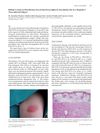
research Bullous Lesions at Polyethylene Glycol Interferon-alpha-2a Inoculation Site in a Hepatitis C Virus-infected Subject
A patient developed a blister at the injection site after hepatitis C treatment.
research Mechanism of Hair Curling via Laccase-Assisted Tyrosine Grafting Using BSA as a Model Protein
A gentler, less damaging method for curling hair using tyrosine works well initially but fades after washing.
research Efficient expansion of human keratinocyte stem/progenitor cells carrying a transgene with lentiviral vector
A specific combination of chemicals effectively expands genetically modified skin cells for potential use in skin therapy.
research Proteolytic depilation of lambskins : a thesis presented in partial fulfilment of the requirements for the degree of Doctor of philosophy in Bioprocess Engineering at Massey University, Palmerston North, New Zealand
A successful enzyme depilation system needs a broad-spectrum protease that doesn't harm collagen VI.
research Premature aging and cancer development in transgenic mice lacking functional CYLD
Lack of functional CYLD in mice leads to early aging and cancer.

research Biochemical and Structural Characteristics, Gene Regulation, Physiological, Pathological and Clinical Features of Lipocalin-Type Prostaglandin D2 Synthase as a Multifunctional Lipocalin
Lipocalin-Type Prostaglandin D2 Synthase (L-PGDS) is a protein that plays many roles in the body, including sleep regulation, pain management, food intake, and protection against harmful substances. It also affects fat metabolism, glucose intolerance, cell maturation, and is involved in various diseases like diabetes, cancer, and arthritis. It can influence sex organ development and embryonic cell differentiation, and its levels can be used as a diagnostic marker for certain conditions.
research The antiviral activity of a small molecule drug targeting the NSP1-ribosome complex against Omicron, especially in elderly patients
Golvatinib shows promise as a treatment for Omicron in elderly patients.
research 921 Generation of a new rodent model of scleroderma
Researchers created a new mouse model for studying scleroderma.
research A Novel Connexin 26 Mutation in a Patient Diagnosed with Keratitis–Ichthyosis–Deafness Syndrome
A new mutation in the Connexin 26 gene was found in a patient with KID syndrome, expanding the known disorders linked to this gene.

research LBODP010 A Case of Glucocorticoid Resistance Syndrome
The patient likely has Chrousos syndrome, a rare condition causing insensitivity to glucocorticoids, requiring high-dose dexamethasone treatment.
research Ornithine decarboxylase activity in relation to DNA synthesis in mouse interfollicular epidermis and hair follicles
research Molecular–clinical correlations in a family with variable tissue mitochondrial DNA T8993G mutant load
Tissue-specific variation in mutant load complicates genetic counseling and prenatal diagnosis.
research 265 Modulation of disease-central cytokine pathways with TAK-279, a highly selective oral tyrosine kinase 2 (TYK2) inhibitor, defines clinical response in patients with psoriasis
TAK-279 effectively reduces psoriasis symptoms and is safe.
research Solution Blow Spinning of Programmable Biofunctionalized Polymer Fibers
New polymer fibers can produce proteins and have potential uses in masks and swabs.
research So Much More Than Just Structural Support: Laminin‐332 and Its Multifaceted Functions in Skin Homeostasis and Disease
Laminin-332 is vital for skin health, repair, and disease prevention.

research N-Acyl arylsulfonamides as novel, reversible inhibitors of human steroid sulfatase
Scientists found new, better-working inhibitors for a hormone-related enzyme.

research Glucocorticoid Receptor Mutants Demonstrate Increased Motility Inside the Nucleus of Living Cells: Time of Fluorescence Recovery After Photobleaching (FRAP) Is an Integrated Measure of Receptor Function
Certain defective glucocorticoid receptor mutants move faster inside cell nuclei and work less effectively.