 October 2023 in “Frontiers in endocrinology”
 Effective PCOS treatments require targeting specific signaling pathways.
 October 2023 in “Frontiers in endocrinology”
 Androgens and androgen receptors are important for metabolic health, affecting how the body uses glucose and fats through mitochondrial function.
 October 2023 in “Open Repository of the University of Porto (University of Porto)”
 Pharmacists play a key role in health education and managing treatments for conditions like hair loss and smoking cessation.
 August 2023 in “Gadua Journal of Pure and Allied Science”
 Ziziphus spina-christi leaf extract lowered blood sugar and protected organs in diabetic rats.
The study aims to create a model to improve personalized and preventive health care.
 January 2023 in “Wiadomości Lekarskie”
 Local antibiotic therapy can effectively treat root canal infections.
Reducing iron levels didn't improve heart health or metabolism in women with certain ovarian issues.
PCOS is a complex condition that can lead to serious health issues, but early diagnosis and treatment can reduce these risks.
 September 2022 in “Research Square (Research Square)”
 Probiotics and synbiotics may help with PCOS symptoms, but more research is needed.
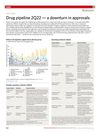 August 2022 in “Nature Biotechnology”
 Drug approvals slowed in 2Q22, but notable drugs like Amvuttra, Camzyos, and Olumiant were approved.
 June 2022 in “Biomedical reports”
 STK11 gene variations do not predict how well metformin will work for PCOS, but may affect hair loss and excess hair growth.
 May 2021 in “Letters in Applied NanoBioScience”
 Pranlukast and mirabegron may work as new diabetes drugs.
Vaccination is crucial for public health, but anti-vaccine movements are a concern.
Eating healthy, exercising, and certain nutrients like myoinositol and omega-3s can help manage PCOS symptoms.
 January 2020 in “Research Portal Denmark”
 A short male anogenital distance may indicate incomplete masculinization due to disrupted androgen action.
 January 2020 in “Asian Journal of Basic Science & Research”
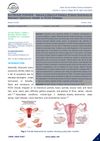
 Nutrease powder, a high-protein, low-carb supplement, can help manage Polycystic Ovary Syndrome symptoms, regulate periods, improve ovulation, and restore fertility.
Accurate diagnosis and tailored treatments are crucial for managing hair loss in humans and animals.
 July 2017 in “Cardiologia Croatica”
 Metabolic syndrome's individual issues are real and need treatment to reduce diabetes and heart disease risks.
 May 2017 in “American Society of Health-System Pharmacists eBooks”
  January 2017 in “Springer eBooks”
 The document explains various skin conditions and their treatments.
 January 2015 in “Springer eBooks”
 The document concludes that managing PCOS involves lifestyle changes, medication, and monitoring for associated health risks.
Obesity is linked to many gastrointestinal diseases and needs more research for treatment development.
 February 2012 in “InTech eBooks”
 PCOS increases the risk of heart disease and type 2 diabetes in women.
 December 2011 in “The Diabetes Educator”
 The Blood Glucose Management Service improved patient safety and outcomes in managing blood sugar in hospitalized patients.
 February 2010 in “ePrints Soton (University of Southampton)”
 Male sexual differentiation is regulated independently, while female differentiation occurs in an androgenic environment, affecting conditions like congenital adrenal hyperplasia.
 January 2009 in “Elsevier eBooks”
 Some plant-based treatments may help with ovary function, insulin resistance, and excess male hormones in PCOS, but more research is needed to confirm their safety and effectiveness.
 February 2008 in “Vlaams dierengeneeskundig tijdschrift”
 A cat's hair loss was linked to a severe pancreatic cancer.
 January 2008 in “Durham e-Theses (Durham University)”
 Hair follicle stem cells are similar to mesenchymal stem cells and can become neural-like cells under certain conditions.

Tacrolimus causes fewer acute rejections than cyclosporin A in kidney transplants but doesn't necessarily improve kidney function after one year; cardiovascular risks and side effects vary between the two drugs.
 January 2003 in “Elsevier eBooks”
 Androgens and other hormones affect hair growth and skin conditions like acne.