May 2025 in “The Open Biomedical Engineering Journal” Adipose tissue and PRP together improve healing and surgery outcomes but need more research for consistent use.
 May 2025 in “Journal of International Medical Research”
 Micrografting may improve healing and hair growth, but more research is needed.
April 2025 in “Frontiers in Medicine” Strabismus research has advanced with AI diagnostics, minimally invasive surgeries, and non-surgical treatments, led by the USA, China, and the UK.
April 2025 in “European Journal of Pharmaceutics and Biopharmaceutics” The new drug delivery system improves bicalutamide skin retention for better treatment of hair loss.
A genetic variant in the KRT71 gene may cause loose anagen hair and wooly hair, and symptoms might improve with age.
 March 2025 in “Stem Cell Research & Therapy”
 A new microneedle treatment could effectively regrow hair in androgenic alopecia.
 March 2025 in “Annals of Medicine and Surgery”
 PCOS skin symptoms need personalized treatment and psychological support to improve quality of life.
 March 2025 in “Advanced Science”
 Bioengineered hair germs using special hydrogels can help regenerate hair follicles and treat hair loss.
 January 2025 in “Nature Communications”
 CPK1 helps root hair growth in Arabidopsis by activating channels for calcium signaling.

Proper niche formation in Drosophila requires Slit-Robo signaling for cell migration.
 December 2024 in “Advanced Composites and Hybrid Materials”
 Electrospun 3D nanofibrous materials show promise for bone regeneration in orthopaedics.
TBX3 gene affects horse coat color, with higher expression in darker areas.
 November 2024 in “Pharmaceutics”
 Transfersomes are better than liposomes for targeting hair follicles in alopecia treatment.
 November 2024 in “Burns & Trauma”
 Skin organoids help improve wound healing and tissue repair.
 September 2024 in “International Journal of Research in Dermatology”
 Combining PRP with minoxidil and finasteride is the most effective treatment for male hair loss.
 August 2024 in “Current Protocols”
 The C3H/HeJ mouse model is useful for studying and testing treatments for alopecia areata.
May 2024 in “Frontiers in Nutrition” Turning food waste into useful products is key for a sustainable economy.
 April 2024 in “Archiv EuroMedica”
 Platelet-Rich Plasma therapy helps increase hair density and regrowth for some types of hair loss.
 March 2024 in “Journal of functional foods”
 Collagen peptides from marine and bovine sources may help prevent hair loss by affecting hair follicle stem cells differently.
February 2024 in “Asian Journal of Pharmaceutical and Clinical Research” Expired platelet concentrates can be used effectively for wound healing, reducing waste.
 January 2024 in “Collagen and leather”
 The conclusion is that using bovine milk permeate to remove wool from sheepskins is eco-friendly and results in smoother, higher quality leather compared to traditional sulfide methods.
Human hair can almost fully recover its structure within about 1,000 minutes after being stretched.
 October 2023 in “International journal of women’s dermatology”
 Hair camouflage methods like wigs and extensions can help Black women with alopecia feel better but may also damage hair if not used carefully.
 September 2023 in “Pharmaceuticals”
 Tiny particles improved delivery of hair loss treatments to hair follicles, with lipid-based particles performing best.
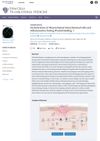 July 2023 in “Stem Cells Translational Medicine”
 Mesenchymal Stem/Stromal Cells (MSCs) help in wound healing and tissue regeneration, but can also contribute to tumor growth. They show promise in treating chronic wounds and certain burns, but their full healing mechanisms and potential challenges need further exploration.
 July 2023 in “International Journal of Cosmetic Science”
 Biopolymers are increasingly used in cosmetics for their non-toxicity and skin benefits, with future biotech advancements likely to expand their applications.
 January 2023 in “Burns & Trauma”
 The study concluded that the new wound model can be used to evaluate skin regeneration and nerve growth.
June 2022 in “Biotechnological Research” Activated autologous platelet-rich plasma can improve healing in diabetic foot ulcers.
January 2022 in “Pastic and aesthetic research” PRP helps skin regeneration but needs standardized testing for consistent results.
 September 2021 in “VNU Journal of Science: Medical and Pharmaceutical Sciences”
 Platelet-rich plasma, which has growth factors, is used in many medical fields and can promote tissue repair, stimulate hair growth, and increase hair density.