 June 2011 in “Expert Review of Dermatology”
 Researchers discovered potential origins and new treatments for skin cancer, including biomarkers for melanoma and therapies that reduce tumor growth.
The transcription factor Meis2 is essential for touch sensation and proper nerve development in touch receptors.
 October 2023 in “bioRxiv (Cold Spring Harbor Laboratory)”
 Blocking both main energy pathways can stop hair follicle stem cell-induced skin cancer growth.

Trichotillomania treatment is improving with new therapies, but challenges like stigma and lack of training remain.

Trichotillomania involves hair-pulling due to brain and genetic factors, with behavior therapy and new drugs showing promise, but challenges like stigma and underdiagnosis persist.

Trichotillomania treatment is improving with behavior therapy and new drug approaches, but challenges like stigma and underdiagnosis remain.
August 2022 in “Nutrients” Nutritional supplements may help improve hair growth in female pattern hair loss.
116 citations
,
April 1986 in “The journal of cell biology/The Journal of cell biology” Trichohyalin is a protein in hair follicles that helps form hair filaments.
20 citations
,
December 1999 in “Journal of Investigative Dermatology” Mutations in the hHb6 gene cause the hair disorder monilethrix.
 June 2025 in “International Journal of Nutrology”
 A plant-based diet reduces skin inflammation, intermittent fasting supports muscle regeneration, and certain nutrients and supplements aid in healing.
January 2019 in “Frontiers in neurology” A nutrition program significantly improved a woman's lupus symptoms.
 January 2011 in “Yearbook of Dermatology and Dermatologic Surgery”
 Hair relaxers are linked to reduced cystine levels and potential hair damage.
January 1996 in “Studia iuridica” Two new gene mutations cause a rare hair disorder.
January 1995 in “Journal of the Society of Cosmetic Chemists” Transglutaminase does not modify human hair.
 14 citations
,
November 2013 in “Journal of the American Society for Horticultural Science”
14 citations
,
November 2013 in “Journal of the American Society for Horticultural Science” Glycine slows main root growth but boosts root hair growth in habanero peppers.
July 2025 in “Journal of Research in Siddha Medicine” Eclipta alba extract is generally safe with mild liver and kidney changes at high doses.
36 citations
,
October 1993 in “British Journal of Dermatology” Human hair follicles can grow in a lab for at least 9 days without serum, keeping their natural characteristics.
Mouse hair follicles grow best in a special medium, especially when cut and from adult mice.
 4 citations
,
January 2011 in “Annals of Dermatology”
4 citations
,
January 2011 in “Annals of Dermatology” Researchers found a new mutation in the HR gene linked to a rare hair loss condition.
 3 citations
,
September 2020 in “Molecular Brain”
3 citations
,
September 2020 in “Molecular Brain” The anti-viral drug Elvitegravir may protect brain cells from damage related to neurodegenerative diseases.
 September 2013 in “Science”
 Certain astrocytes can protect the brain and improve recovery after a stroke, and a hair loss drug might reduce cancer spread.
 September 2013 in “Science”
 Transplanted human Olig2+ astroglia may help improve learning and memory after a stroke.
Some supplements may help reduce side effects of cancer treatments in pets.
83 citations
,
May 2022 in “Journal of Advanced Research” Enhancing glycolysis in mesenchymal stromal/stem cells boosts their immune functions and therapy potential.
 17 citations
,
April 2023 in “Aging”
17 citations
,
April 2023 in “Aging” CNGA3, GLUD1, and SIRT1 are promising targets for treating aging and glioblastoma.
 1 citations
,
August 2022 in “Biomedicines”
1 citations
,
August 2022 in “Biomedicines” Dutasteride, usually used for prostate issues and hair loss, could potentially treat Amyotrophic Lateral Sclerosis (ALS) due to its neuroprotective, antioxidant, and anti-inflammatory properties, but more testing is needed.
January 2017 in “ResearchSpace (University of KwaZulu-Natal)” Edamame soy beans are a healthier, low-fat protein source preferred over sweet snacks, especially when flavored.
 September 2013 in “Science”
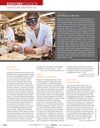
 Special astroglia cells improved stroke recovery in rats, a hair growth drug reduced cancer spread, and tiny magnesium structures were more easily shaped.
 September 2013 in “Science”
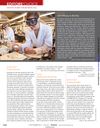
 Special astrocytes improved learning and memory in rats after a stroke.
 October 2012 in “European Neuropsychopharmacology”
 People with early psychosis eat more calories, saturated fat, and sugar, and the drug olanzapine may lead to eating even more calories.