 157 citations
,
December 2015 in “Journal of the American Academy of Dermatology”
157 citations
,
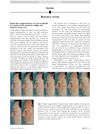
December 2015 in “Journal of the American Academy of Dermatology” A man with vitiligo and alopecia saw quick skin and hair improvement with ruxolitinib, but skin color gains were lost after stopping treatment.
 54 citations
,
December 2007 in “Best Practice & Research Clinical Endocrinology & Metabolism”
54 citations
,
December 2007 in “Best Practice & Research Clinical Endocrinology & Metabolism” Targeting glucocorticoid action might help treat type-2 diabetes, but human trials are needed.
 1 citations
,
May 2025 in “International Journal of Applied Pharmaceutics”
1 citations
,
May 2025 in “International Journal of Applied Pharmaceutics” The nanogel with Bangkal bark extract effectively fights acne-causing bacteria.
Keratinocytes can reverse the effects of the GNAQ oncogene, inhibiting melanoma cell growth.
 1 citations
,
June 2022 in “JCRPE”
1 citations
,
June 2022 in “JCRPE” Metreleptin treatment significantly improved metabolic health in a boy with congenital generalized lipodystrophy.
 September 2024 in “Journal of the American Academy of Dermatology”
 Semaglutide does not significantly increase the risk of hair loss.
 April 2019 in “Journal of Investigative Dermatology”
 Non-coding RNA boosts retinoic acid production and signaling, aiding regeneration.
 May 2025 in “The Journal of Rheumatology”
 Atypical symptoms in lupus can indicate different kidney issues.
3 citations
,
February 1983 in “Journal of Investigative Dermatology” Hair plucking quickly increases antizyme, reducing a specific enzyme activity in rats.
2 citations
,
June 2013 in “Journal of Clinical Pathology” The LMNA mutation affects skin structure even in asymptomatic carriers.
17 citations
,
April 2006 in “Brain Research” 5α-reduced neurosteroids may help regulate glial cell differentiation.
 September 2019 in “The journal of investigative dermatology/Journal of investigative dermatology”
 Not having enough cystatin M/E protein causes less hair growth and dry skin.
August 2025 in “BMC Pharmacology and Toxicology” The LTF gene may help predict and manage nonspecific orbital inflammation.
 3 citations
,
August 2018 in “Deleted Journal”
3 citations
,
August 2018 in “Deleted Journal” Guasha changed rat skin appearance and blood vessels temporarily without affecting certain nerve proteins or fiber structure.
1 citations
,
November 1975 in “PubMed” GRF is not safe for tubal occlusion.
 March 2026 in “Molecules”
 Dang Gui may help treat immune-related diseases by boosting and regulating the immune system.
September 2023 in “Journal of the American Academy of Dermatology” CTP-543 is generally safe for treating alopecia areata.
 February 2026 in “Indian Journal of Dermatology”
 Upadacitinib may effectively treat twenty-nail dystrophy without causing pain.
 September 2007 in “Journal of Investigative Dermatology”
 ANp63 is crucial for skin integrity, new filaggrin gene mutations link to eczema, hair can regrow from non-stem cells, sunburns are increasing, and glucocorticoids help treat skin allergies by affecting immune cells.
 March 2026 in “Clinical Cosmetic and Investigational Dermatology”
 The combination therapy is safe and more effective for treating pediatric facial and cervical vitiligo.
January 2016 in “Indian journal of drugs in dermatology” Acitretin effectively treats severe hypertrophic lichen planus.
January 2025 in “Indian Journal of Dermatopathology and Diagnostic Dermatology” Dermoscopy helps diagnose rare GLPLS in males.
 8 citations
,
March 2018 in “Expert Review of Respiratory Medicine”
8 citations
,
March 2018 in “Expert Review of Respiratory Medicine” Inhalation therapy may repair and protect elastin in the lungs of COPD patients.
 18 citations
,
January 2008 in “Sen'i Gakkaishi”
18 citations
,
January 2008 in “Sen'i Gakkaishi” Thioglycolic acid and L-cysteine change hair structure differently during perms, affecting hair strength and curling efficiency.
 March 2026 in “International Journal of Molecular Sciences”
 Grateloupia angusta extract helps heal wounds faster and improve skin repair.
6 citations
,
February 2023 in “Cosmetics” Nostoc verrucosum extracts may help reduce melanin production and have antioxidant properties.
16 citations
,
June 1992 in “Journal of Investigative Dermatology”  January 2024 in “Regenerative Biomaterials”
 Dissolvable microneedles with Ginsenoside Rg3 can help treat hair loss by improving drug delivery and stimulating hair growth.
 August 2022 in “Clinical and Experimental Dermatology”
 Amino acid supplements may not be necessary for all women with chronic hair loss.