July 2026 in “Journal of the American Academy of Dermatology” GLP-1RA medications may increase the risk of hair loss, especially in non-diabetic people.
 October 2025 in “EMJ Dermatology”
 GLP-1RA therapy may increase the risk of hair loss.
June 2016 in “Annals of the Rheumatic Diseases” Long-term glucocorticoid use can cause skin problems like easy bruising and poor wound healing, especially at higher doses.
1 citations
,
May 2022 in “European Journal of Dermatology” Longer treatment with vismodegib lowers relapse risk in basal cell carcinoma.
1 citations
,
August 2025 GLP-1 receptor agonists can help skin conditions but may cause hair loss and other skin issues.
 October 2023 in “Case reports in dermatological medicine”
 A Jordanian family with Clouston syndrome has a common GJB6 gene mutation.
 58 citations
,
April 2012 in “Journal of the American Academy of Dermatology”
58 citations
,
April 2012 in “Journal of the American Academy of Dermatology” Graft-versus-host disease is a complication where donor immune cells attack the recipient's body, often affecting the skin, liver, and gastrointestinal tract.
 October 2022 in “JAAD case reports”
 A man with itchy skin lesions and weight loss was diagnosed with a rare skin condition linked to a pancreatic tumor.
 19 citations
,
December 2015 in “European Journal of Human Genetics”
19 citations
,
December 2015 in “European Journal of Human Genetics” A rare ITGB6 gene variant causes intellectual disability, hair loss, and dental issues.
 January 2021 in “American journal of dermatological research and reviews”
 The muscle damage was caused by T-cell large granular lymphocytic leukemia, not dermatomyositis.
5 citations
,
September 2021 in “Clinical case reports” GLPLS is a rare skin condition with specific hair loss and skin symptoms.
44 citations
,
March 2019 in “Experimental Dermatology” A wide range of proteins are integrated into the skin's protective layer.
April 2019 in “The journal of investigative dermatology/Journal of investigative dermatology” A compromised gut may trigger the autoimmune hair loss condition Alopecia Areata.

GLP-1 receptor agonists for weight loss may cause hair loss, especially in women.
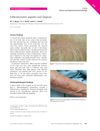 May 2014 in “Clinical and Experimental Dermatology”
 A 70-year-old woman with a rare skin condition improved after treatment with topical steroids and acitretin.
12 citations
,
May 2023 in “Molecules” Polygoni Cuspidati Rhizoma et Radix contains compounds that inhibit certain enzymes.
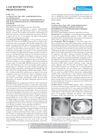 May 2025 in “The Journal of Rheumatology”
 Chronic granulomatous disease may be linked to developing systemic lupus erythematosus.
 19 citations
,
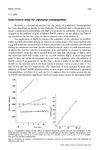
November 1971 in “Clinica Chimica Acta”
19 citations
,
November 1971 in “Clinica Chimica Acta” The document concludes that measuring γ-glutamyl transpeptidase activity is more accurate with a higher substrate concentration and using diluted acetic acid to stop the reaction.
 February 2016 in “Acta Medica Marisiensis”
 A woman with chronic hepatitis C had a rare skin condition linked to her illness.
1 citations
,
November 1975 in “PubMed” GRF is not safe for tubal occlusion.
28 citations
,
January 1985 in “Journal of the American Academy of Dermatology” A girl with citrullinemia developed pili torti, suggesting a link between the hair condition and the metabolic disorder.
4 citations
,
March 2025 in “Journal of Cosmetic Dermatology” Semaglutide may cause hair loss, but more research is needed to confirm this.
The woman's skin and health issues were due to a severe zinc deficiency.
October 2009 in “The American Journal of Gastroenterology” Isolated amylase deficiency can cause failure to thrive and should be checked with specific tests.
February 2026 in “JAAD International” 32 citations
,
August 2003 in “Journal of the European Academy of Dermatology and Venereology” cGVHD often severely affects the skin, causing rapid aging and other issues.
 53 citations
,
November 1997 in “Journal of Forensic Sciences”
53 citations
,
November 1997 in “Journal of Forensic Sciences” Darker hair in guinea pigs holds more codeine than lighter hair.
1 citations
,
March 2005 in “Zentralblatt für Gynäkologie” A postmenopausal woman had high testosterone from her right adrenal gland, leading to recommended surgery.
 12 citations
,
July 2021 in “Scientific Reports”
12 citations
,
July 2021 in “Scientific Reports” Glutamic acid helps increase hair growth in mice.
7 citations
,
March 2013 in “Annals of Hematology” Ganoderma lucidum can cause severe skin reactions and hair loss.