October 2025 in “Nephrology Dialysis Transplantation” Hair-straightening products with glyoxylic acid can cause kidney damage.
6 citations
,
November 1977 in “International Journal of Legal Medicine” Human hair contains a substance that shows blood group A activity.
 4 citations
,
December 2018 in “Macedonian Journal of Chemistry and Chemical Engineering”
4 citations
,
December 2018 in “Macedonian Journal of Chemistry and Chemical Engineering” A new method accurately measures amino acids in treated hair, showing bleaching reduces amino acids while protein treatments increase them.
Transglutaminases help form strong hair by linking proteins, and can potentially alter hair properties.
 October 2025 in “JEADV Clinical Practice”
 GLP-1 receptor agonists may increase the risk of a specific type of hair loss called androgenetic alopecia.
 3 citations
,
July 2015 in “European Journal of Dermatology”
3 citations
,
July 2015 in “European Journal of Dermatology” AGEs may cause hair loss by increasing inflammation in hair follicles.
 1 citations
,
June 2025 in “Frontiers in Bioengineering and Biotechnology”
1 citations
,
June 2025 in “Frontiers in Bioengineering and Biotechnology” Glycopeptide hydrogels are promising for tissue repair, drug delivery, and healing due to their multifunctional properties.
August 2025 in “Bioactive Materials” Ac-GFFY-IGF peptide is a promising, safe, and effective treatment for hair loss, better than current options.
 12 citations
,
August 1984 in “Genetics Research”
12 citations
,
August 1984 in “Genetics Research” The N gene affects the protein makeup of mouse hair.
 December 2023 in “Benha Journal of Applied Sciences”
 AGEs and their receptors play a significant role in hair loss by causing inflammation and oxidative stress.
 15 citations
,
August 2017 in “Scientific Reports”
15 citations
,
August 2017 in “Scientific Reports” Young men with early hair loss have slightly worse blood sugar and fat levels, suggesting possible health risks and need for monitoring.
 19 citations
,
November 1971 in “Clinica Chimica Acta”
19 citations
,
November 1971 in “Clinica Chimica Acta” The document concludes that measuring γ-glutamyl transpeptidase activity is more accurate with a higher substrate concentration and using diluted acetic acid to stop the reaction.
 July 2026 in “Journal of the American Academy of Dermatology”
 GLP-1 and GLP-1/GIP agonists may increase the risk of hair loss.
6 citations
,
October 2011 in “InTech eBooks” Soybean seeds have the most carbohydrates at growth stage R 5.5.
 4 citations
,
December 1962 in “European journal of endocrinology”
4 citations
,
December 1962 in “European journal of endocrinology” Alloxan diabetes, methylthiouracil, cortisone, and adrenaline affect how white mice hair follicles use glucose and cystine and their cell division.
 January 2025 in “Journal of the European Academy of Dermatology and Venereology”
 Newer GLP-1 drugs like semaglutide may cause hair loss.
48 citations
,
February 2025 in “Advanced Materials” The hydrogel speeds up diabetic wound healing by adapting to glucose levels and releasing insulin.
 April 2026 in “American Journal of Clinical Dermatology”
 GLP-1 receptor agonists may help or harm hair health, needing more research.
24 citations
,
April 2016 in “Experimental Dermatology” Chemical treatments like dyeing, perming, and bleaching damage hair by altering amino acids and lipids.
15 citations
,
January 2024 in “Chemical Engineering Journal”  January 2024 in “JAAD case reports”
 MSUD patients need careful monitoring of amino acids and zinc to prevent severe symptoms.
 September 2011 in “Clinical Biochemistry”
 Glycoconjugates help heal hair follicles during skin repair.

GLP-1 receptor agonists increase the risk of hair loss, mainly due to nutrient deficiency from weight loss.
February 2020 in “Benha Journal of Applied Sciences” Higher Galectin-3 levels are linked to insulin resistance and may predict androgenetic alopecia severity.
2 citations
,
January 2011 in “Feed Review” Adding 0.029% iron glycine chelate to piglet diets improves growth and hair color.

GLP-1 receptor agonists increase the risk of hair loss, mainly due to weight loss-related nutrient deficiency.
 10 citations
,
November 2015 in “Experimental Dermatology”
10 citations
,
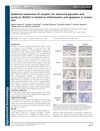
November 2015 in “Experimental Dermatology” Skin RAGE levels are linked to inflammation and cell death.
 October 2004 in “Australian Prescriber”
 Agalsidase alfa helps treat Fabry's disease but needs more research for long-term benefits.
6 citations
,
January 2015 in “Journal of clinical & experimental dermatology research” The combination therapy may be more effective for mild alopecia areata, especially in patients with allergies.
January 2016 in “Faculty of 1000 Research Ltd” Glycans play a crucial role in regulating hair growth and follicle balance.