 March 2024 in “Research Square (Research Square)”
 Combining genetic and physical trait analysis improves diagnosis accuracy for monogenic diabetes.
January 2019 in “International Journal of Clinical & Medical Images” The patient showed signs of liver disease due to alcohol use but didn't need treatment for Dupuytren’s contracture.
 25 citations
,
December 2005 in “Molecular Genetics and Metabolism”
25 citations
,
December 2005 in “Molecular Genetics and Metabolism” Taking riboflavin and eating less lysine can help some people with a specific genetic disorder avoid brain damage.
 4 citations
,
February 2022 in “International Journal of Molecular Sciences”
4 citations
,
February 2022 in “International Journal of Molecular Sciences” Myotonic Dystrophy may age cells faster, and drugs that target aging could be potential treatments.
 February 2010 in “Journal of The American Academy of Dermatology”
 A woman with Degos disease managed her condition for nine years with medications and had two healthy pregnancies, while a separate finding suggests a possible link between female pattern hair loss and high blood pressure.
 June 2017 in “Acta Scientiae Veterinariae”
 A cat with a rare pancreatic tumor and diabetes died despite treatment, showing similar symptoms to a human condition.
 54 citations
,
December 2007 in “Best Practice & Research Clinical Endocrinology & Metabolism”
54 citations
,
December 2007 in “Best Practice & Research Clinical Endocrinology & Metabolism” Targeting glucocorticoid action might help treat type-2 diabetes, but human trials are needed.
 19 citations
,
September 2010 in “The American journal of pathology”
19 citations
,
September 2010 in “The American journal of pathology” High glucocorticoids cause pancreatic malfunction and malabsorption, reversible with enzyme supplements.
44 citations
,
October 2016 in “Epilepsia” 2-DG reduces seizures by enhancing brain inhibition through specific receptor activation.
41 citations
,
July 2018 in “Frontiers in Neurology” Myotonic dystrophy may be classified as a segmental progeroid disorder.
 April 2023 in “The journal of investigative dermatology/Journal of investigative dermatology”
 Lack of TG2 increases fat storage and lowers cell cleanup in skin oil cells.
 3 citations
,
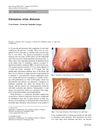
April 2012 in “Internal and Emergency Medicine”
3 citations
,
April 2012 in “Internal and Emergency Medicine” The girl's swelling and skin issues improved with fluid restriction and diuretics.
 260 citations
,
July 2010 in “Cell”
260 citations
,
July 2010 in “Cell” Mutations in the SRD5A3 gene cause a new type of glycosylation disorder by blocking the production of a molecule necessary for protein glycosylation.
 6 citations
,
January 1988 in “Japanese Journal of Medicine”
6 citations
,
January 1988 in “Japanese Journal of Medicine” Hair glycation levels can indicate long-term blood sugar control.
July 1999 in “Proceedings of SPIE, the International Society for Optical Engineering/Proceedings of SPIE” Hair analysis can reveal glucose levels in diabetic patients.
4 citations
,
July 2019 in “Experimental Dermatology” 2-deoxy D-glucose does not help with hair regrowth in alopecia areata.
 June 2024 in “International journal of biological macromolecules”
 The hydrogel effectively stops bleeding and heals diabetic wounds quickly.
 5 citations
,
January 1998 in “Clinical and experimental dermatology”
5 citations
,
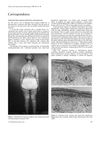
January 1998 in “Clinical and experimental dermatology” Myotonic dystrophy should be considered in patients with hair thinning, and genetic counseling is important.
 53 citations
,
June 2012 in “Annales d'Endocrinologie”
53 citations
,
June 2012 in “Annales d'Endocrinologie” The document concludes that recognizing and properly diagnosing lipodystrophy syndromes is crucial for effective management and treatment.
 January 2019 in “Current research in diabetes & obesity journal”
 A woman with type 2 diabetes developed alopecia areata, suggesting a link between the two autoimmune conditions.
 April 2018 in “Journal of Investigative Dermatology”
 Stabilizing HIF1A in hair follicles increases glycolysis, which may help reduce oxidative stress and support hair growth.
 October 2025 in “Communications Medicine”
 Combining genetic and physical data improves diagnosis and treatment for early-onset monogenic diabetes.
June 2025 in “Proceedings of the National Academy of Sciences” A PIK3CA mutation in Schwann cells causes severe nerve damage and increased glycolysis, but early treatment can help.
 September 2011 in “Clinical Biochemistry”
 Certain sugars increase in some layers of the hair follicle during the middle of the healing process in rats, which may help improve healing.
11 citations
,
January 2017 in “Skin Appendage Disorders” Use lower concentrations of triamcinolone acetonide to reduce steroid-induced scalp atrophy.
1 citations
,
January 2018 in “bioRxiv (Cold Spring Harbor Laboratory)” Increased PHGDH expression causes early melanin buildup in hair follicles.
March 2023 in “Frontiers in Cell and Developmental Biology” Proteoglycans are vital for tissue growth and healing, with potential as treatment targets.
 18 citations
,
May 2017 in “Experimental Dermatology”
18 citations
,
May 2017 in “Experimental Dermatology” AMT may cause hair loss and changing dWAT activity could help treat it.
 11 citations
,
January 2013 in “Indian Journal of Endocrinology and Metabolism”
11 citations
,
January 2013 in “Indian Journal of Endocrinology and Metabolism” Skin problems are common in people with diabetes and controlling blood sugar can reduce these issues.
March 2026 in “ACS Applied Materials & Interfaces” MCP@G improves diabetic wound healing by reducing stress and promoting tissue repair.