1 citations
,
February 2025 in “Journal of Dairy Science” The SLICK1 allele in Holstein heifers affects hair and immune traits without altering prolactin signaling.
Apraglutide and N-acetylcysteine (NAC) show promise in reducing cytarabine's harmful effects on organs.

Chemotherapy for breast cancer often causes significant and lasting hair loss.
 February 2026 in “International Journal of Molecular Sciences”
 Extracellular vesicles show promise for medical use but face challenges in standardization and safety.
 February 2026 in “NeuroSci”
 Finasteride and dutasteride may cause depression and anxiety, especially in younger men.
January 2026 in “Pharmaceutics” Extracellular vesicles can worsen Alzheimer's but also offer potential for diagnosis and treatment.
November 2025 in “Molecules” Microextraction techniques improve hormone testing while being environmentally friendly.
May 2025 in “Neuropharmacology” Finasteride reduced seizures and prevented cognitive issues in rats after neonatal asphyxia but increased anxiety later.
 January 2025 in “Cosmetics”
 Exosomes could help treat skin and hair issues by improving healing and reducing stress.
January 2024 in “Diagnostics” Long COVID causes a wide range of long-lasting symptoms that change over time and are hard to diagnose and treat.
January 2024 in “Metabolites” Standardized procedures are crucial for collecting and preparing biological samples to ensure accurate clinical metabolomics results.

BLTP1 and KIF27 gene mutations can help breed better wool sheep.
January 2026 in “International Journal of Molecular Sciences” Hedgehog pathway inhibitors could be effective in treating melanoma.
September 2025 in “Biomolecules” The skin microenvironment significantly affects hair growth and loss, offering potential treatment avenues.
March 2024 in “Agriculture” CRISPR/Cas9 gene-editing shows promise for improving sheep and goat breeding but faces challenges with efficiency and accuracy.
Arabica coffee pulp extract may help prevent hair loss and promote hair growth.
December 2025 in “Sensors” Microneedles in wearables can deliver drugs over time but face challenges in manufacturing and safety.
 January 2025 in “Applied Sciences”
 Sulforaphane from broccoli may help treat certain cancers, hormone issues, and hair loss.
45 citations
,
June 2018 in “Frontiers in immunology” MDSC-Exo can treat autoimmune alopecia areata and promote hair regrowth in mice.
11 citations
,
July 2012 in “Experimental dermatology” Innate immunity genes in hair follicle stem cells might have new roles beyond traditional immune functions.
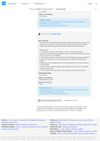
The reviewers suggest clarifying the abstract, adding background on inflammation's effect on stem cells and cancer, discussing immune cells' role in tumors, and considering inflammation's potential to reduce cancer growth.
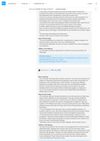
The reviewers suggest clarifying and expanding on the role of inflammation in stem cell-related cancer development.
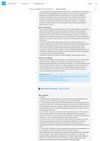
The revised study on how inflammation affects cancer stem cells was accepted after improving clarity and structure.

The revised manuscript on how inflammation affects cancer stem cells was accepted after addressing issues with clarity and detail.

The reviewers suggest major revisions for clarity and inclusion of recent findings on inflammation's role in cancer.

Reviewers suggest clarifying the abstract, adding background on inflammation's effect on cancer, discussing immune cell roles, including counter studies, and correcting grammar.
The reviewers found the manuscript on inflammation's role in cancer stem cells to be relevant but suggested it needs clarity, more background information, discussion on immune cells' role in tumors, updated references, and grammar corrections.
3 citations
,
April 2022 in “Biomolecules” Higher miR-34a levels and the A variant of the MIR-34A gene are linked to increased risk and severity of alopecia areata.
 March 2026 in “Zenodo (CERN European Organization for Nuclear Research)”
 The N-K GM Series offers highly selective, eco-friendly medicines targeting harmful microbes, free for personal use.
 March 2026 in “Zenodo (CERN European Organization for Nuclear Research)”
 The N-K GM Series offers highly selective, eco-friendly antimicrobials free for everyone.