29 citations
,
June 1998 in “Developmental Biology” More melanoblasts in hair follicles mean better survival and proper hair pigmentation.
 1 citations
,
August 2024 in “Pharmaceuticals”
1 citations
,
August 2024 in “Pharmaceuticals” Goat placenta extract in a special delivery system improved hair growth and thickness in chemotherapy patients.
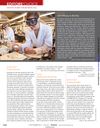 September 2013 in “Science”
 Special astrocytes improved learning and memory in rats after a stroke.
24 citations
,
January 1989 Human papilla cells from hair follicles show unique growth behaviors but don't induce hair growth in vitro.
 101 citations
,
November 2011 in “Nature Communications”
101 citations
,
November 2011 in “Nature Communications” Wnt/β-catenin signaling is crucial for cell fusion in placental development.
December 2019 in “Thèses en ligne de l'Université Toulouse III (Université Toulouse III)” EGM2 and SOX2 help form beige adipocytes by maintaining ASC immaturity and activating brown adipocytes.
 31 citations
,
November 2014 in “Investigative Ophthalmology & Visual Science”
31 citations
,
November 2014 in “Investigative Ophthalmology & Visual Science” A natural steroid in the body may protect against eye damage in glaucoma.
March 2026 in “ACS Omega” The hydrogel significantly speeds up wound healing and improves skin recovery.
2 citations
,
January 1973 in “ACTA HISTOCHEMICA ET CYTOCHEMICA” Brown skin in guinea pigs has more ascorbic acid and related enzymes, black skin uses ascorbic acid well, and white skin has the most protein.
 58 citations
,
April 2012 in “Journal of the American Academy of Dermatology”
58 citations
,
April 2012 in “Journal of the American Academy of Dermatology” Graft-versus-host disease is a complication where donor immune cells attack the recipient's body, often affecting the skin, liver, and gastrointestinal tract.
43 citations
,
September 2009 in “Stem Cells” A nonviral method was developed to label and culture human hair follicle stem cells.
 7 citations
,
October 1985 in “Genetics Research”
7 citations
,
October 1985 in “Genetics Research” Beige and leaden pigment genes act within melanocytes, affecting pigment patterns.
July 2025 in “Journal of Investigative Dermatology” γδ T cells can prevent and treat alopecia areata, offering a new therapy option.
25 citations
,
October 2002 in “The journal of investigative dermatology/Journal of investigative dermatology” Mouse profilaggrin helps in skin cell differentiation and may be involved in calcium signaling.
1 citations
,
January 2008 in “China Journal of Bioinformatics” Goat skin has more keratin genes, while the mammary gland has more immunity-related genes.
16 citations
,
March 2011 in “Ophthalmic genetics” A patient with Birt-Hogg-Dubé Syndrome also had choroidal melanoma, suggesting the need for careful eyelid exams in such patients.
 1 citations
,
September 2019 in “Journal of surgery and medicine”
1 citations
,
September 2019 in “Journal of surgery and medicine” People with polycystic ovary syndrome have worse meibomian gland and ocular surface conditions.
14 citations
,
April 1995 in “Transplantation” Human hair follicle cells can be used to help heal and replace skin.
9 citations
,
June 2016 in “The Cerebellum” Dermal papilla cells can help form hair-like structures in lab-grown skin cells.
 3 citations
,
February 2019 in “Animal biotechnology”
3 citations
,
February 2019 in “Animal biotechnology” The PLP2 gene affects cashmere fiber quality in goats and is linked to hair growth and loss.
3 citations
,
August 2024 in “Molecular Biology Reports” LncRNA018392 helps goat skin cells grow by increasing CSF1R.
92 citations
,
May 2004 in “Journal of Investigative Dermatology” 187 citations
,
May 1988 in “Differentiation” Trichocytic cytokeratins are found in hair, nails, tongue, and thymus cells, showing complex regulation in tissue development.
 July 2024 in “International Journal of Chemical and Biological Sciences”
 Glypican-4 may help indicate insulin sensitivity and lipid issues in women with PCOS.
64 citations
,
January 1995 in “Cells Tissues Organs” Merkel cells develop independently of nerves and are linked to specific hair follicles in mice.
 15 citations
,
May 2003 in “The Laryngoscope”
15 citations
,
May 2003 in “The Laryngoscope” FGF-1 causes spiral ganglion neurites to branch more.
 8 citations
,
February 2013 in “Central European Journal of Biology”
8 citations
,
February 2013 in “Central European Journal of Biology” Melanocytes are diverse cells important for pigmentation and skin health, influenced by genetics and environment.
Editing the FGF5 gene in sheep increases fine wool growth.
Guinea pigs can lose hair due to infections or poor diet, and they may have ear infections or cataracts.