 September 2024 in “Journal of the European Academy of Dermatology and Venereology”
 Baricitinib effectively reduces hair loss in severe alopecia areata with mild side effects.
 April 2026 in “Journal of Inflammation Research”
 Alopecia areata and atopic dermatitis share immune system issues, and treatments like JAK inhibitors can help both.
 October 2025 in “International Journal of Risk & Safety in Medicine”
 Oral tofacitinib successfully treated a girl's severe skin and hair conditions.
2 citations
,
January 2023 in “SAGE Open Medical Case Reports” Stopping leflunomide healed the woman's skin ulcers.
 September 2024 in “Journal of the American Academy of Dermatology”
 Baricitinib 4 mg is effective and safe for treating severe alopecia areata.
13 citations
,
April 2020 in “European Journal of Dermatology” Apremilast showed mixed results for treating severe alopecia areata.
February 2025 in “Skin Appendage Disorders” Upadacitinib helps most people with alopecia regrow hair quickly and is generally safe.
June 2025 in “British Journal of Dermatology” Denosumab may cause alopecia areata.
355 citations
,
January 2017 in “Journal of the American Academy of Dermatology” JAK inhibitors show promise for treating skin conditions like eczema, hair loss, and psoriasis.
 3 citations
,
January 1992 in “Gynecological Endocrinology”
3 citations
,
January 1992 in “Gynecological Endocrinology” 3α, 17β-androstanediol-glucuronide is not a useful marker for androgen excess but may help monitor certain treatments.
14 citations
,
June 2021 in “British Journal of Dermatology” The BIOMAP glossary standardizes data to improve research on atopic dermatitis and psoriasis.
17 citations
,
May 2019 in “BMJ Open” JAK/STAT inhibitors show promise for skin diseases but aren't yet approved.
 20 citations
,
March 2023 in “American Journal of Clinical Dermatology”
20 citations
,
March 2023 in “American Journal of Clinical Dermatology” Baricitinib improved severe hair loss in adults over 52 weeks and was safe to use.
 1 citations
,
July 2023 in “Journal of Ayub Medical College Abbottabad”
1 citations
,
July 2023 in “Journal of Ayub Medical College Abbottabad” A woman with Lupus Vasculitis improved after treatment with steroids and other medications.
74 citations
,
February 2018 in “Journal of the American Academy of Dermatology” May 2024 in “Drugs & Therapy Perspectives” New treatments like JAK inhibitors offer hope for better alopecia areata management.
 1 citations
,
December 2021 in “JAAD case reports”
1 citations
,
December 2021 in “JAAD case reports” A woman with severe hair loss saw significant hair regrowth after adding platelet-rich plasma injections to her treatment with tofacitinib.
18 citations
,
October 2019 in “European Journal of Dermatology”  25 citations
,
July 2013 in “Actas Dermo-Sifiliográficas”
25 citations
,
July 2013 in “Actas Dermo-Sifiliográficas” Acitretin is effective for severe psoriasis and can be used long-term due to no immunosuppression, but must be carefully monitored for side effects and is not for pregnant women.
10 citations
,
June 2016 in “PLOS ONE” Finasteride boosts immune cells that suppress T-cells, possibly helping with immune disorders but may increase cancer risk.

The patch effectively promotes hair growth for alopecia areata without pain.
September 2025 in “Journal of the American Academy of Dermatology” Deuruxolitinib significantly improves hair satisfaction in severe alopecia areata patients.
45 citations
,
July 2008 in “International Journal of Dermatology” Sulfasalazine may help treat persistent alopecia areata.
January 2026 in “JAAD International” Baricitinib effectively promotes beard regrowth in most men with alopecia areata universalis.
 1 citations
,
September 2022 in “Journal of The American Academy of Dermatology”
1 citations
,
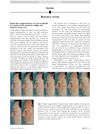
September 2022 in “Journal of The American Academy of Dermatology” Baricitinib helps grow eyebrows and eyelashes in severe alopecia areata patients.
 157 citations
,
December 2015 in “Journal of the American Academy of Dermatology”
157 citations
,
December 2015 in “Journal of the American Academy of Dermatology” A man with vitiligo and alopecia saw quick skin and hair improvement with ruxolitinib, but skin color gains were lost after stopping treatment.
 May 2026 in “Journal of Neurosciences in Rural Practice”
 Tofacitinib may cause nerve damage in the brain, so monitor for neurological symptoms.
29 citations
,
March 2023 in “The Journal of Dermatology” Dupilumab for atopic dermatitis can cause mild skin issues in some patients.
2 citations
,
March 2026 in “Journal of Dermatological Treatment” JAK inhibitors for alopecia areata have different safety risks, requiring specific monitoring for each drug.