 2 citations
,
October 2015 in “Obstetrics and gynaecology cases - reviews”
2 citations
,
October 2015 in “Obstetrics and gynaecology cases - reviews” Removing both ovaries may better treat increased male hormone levels and related symptoms in postmenopausal women when hormone therapy doesn't work.
October 2025 in “Journal of the Endocrine Society” Ovarian hyperthecosis can cause high testosterone and symptoms like hair loss, and surgery can help improve these symptoms.
 January 2020 in “Journal of South Asian Federation of Obstetrics and Gynaecology”
 Removing the ovaries can help treat hair loss caused by high androgen levels in postmenopausal women.
22 citations
,
January 2019 in “Climacteric” Oophorectomy lowers testosterone and estrogen levels in both premenopausal and postmenopausal women, with postmenopausal women still producing significant testosterone.
 June 2003 in “Obstetrical & Gynecological Survey”
 Postmenopausal ovary stromal cells have a unique makeup and limited steroid production, suggesting androgens come from the adrenal gland.
1 citations
,
July 2024 in “Journal of Assisted Reproduction and Genetics” December 2020 in “Research Square (Research Square)” Rare ovarian tumors can cause increased male hormones in postmenopausal women; surgery is an effective treatment.
 December 2013 in “Macedonian Journal of Medical Sciences”
 Ovarian steroid cell tumors should be considered in adults with hirsutism and high testosterone, with surgery as the main treatment.
January 2026 in “Brazilian Journal of Development” Early diagnosis and surgery can improve symptoms of ovarian hyperthecosis in postmenopausal women.
 December 2013 in “Open Access Macedonian Journal of Medical Sciences”
 A woman's excessive hair growth and high testosterone were caused by a rare ovarian tumor, which was successfully treated with surgery.
 62 citations
,
August 2018 in “Frontiers in Endocrinology”
62 citations
,
August 2018 in “Frontiers in Endocrinology” Androgens are important for normal ovarian function and estrogen production, but may not be the main cause of follicle death.
 October 2023 in “Journal of the Endocrine Society”
 A woman's ovarian fibroma caused high testosterone levels, which normalized after surgery.
 October 2023 in “Journal of the Endocrine Society”
 A woman's increased facial hair and hair loss were caused by a rare ovarian tumor, cured by surgery.
 January 2014 in “European Geriatric Medicine”
 A postmenopausal woman's virilization was caused by a rare ovarian tumor that was hard to detect but was successfully treated with surgery.
 January 1977 in “Case Reports in Medicine”
 Steroid cell tumors in the ovary are rare, can produce testosterone causing symptoms, and are mainly treated with surgery.
July 2024 in “Journal of the ASEAN Federation of Endocrine Societies” In post-menopausal women, signs of increased male hormones should be checked for possible ovarian cancer.
 October 2022 in “Miscellaneous”
 A rare, non-cancerous ovarian tumor was successfully treated with surgery, improving the patient's symptoms.
 2 citations
,
December 1994 in “The Journal of clinical endocrinology and metabolism/Journal of clinical endocrinology & metabolism”
2 citations
,
December 1994 in “The Journal of clinical endocrinology and metabolism/Journal of clinical endocrinology & metabolism” The treatment effectively reduced hair growth and was safe for patients with PCOS, but it needs better bleeding control.
 September 2024 in “Brazilian Journal of Case Reports”
 Clomiphene testing can help find ovarian causes of high testosterone in postmenopausal women.
 April 2020 in “Journal of the Endocrine Society”
 A woman's high testosterone and related symptoms were caused by overactive cells in her ovaries.
 January 2023 in “Seven Editora eBooks”
 A rare ovarian tumor was diagnosed in a woman from North Brazil, and surgery is the preferred treatment.
 November 2022 in “Journal of the Endocrine Society”
 A rare ovarian tumor caused high testosterone and excess hair in a woman, which was resolved after tumor removal.
7 citations
,
January 2022 in “Case Reports in Endocrinology” Ovarian hyperthecosis can cause symptoms even with normal testosterone levels, and surgery can improve these symptoms.
 October 2024 in “Journal of the Endocrine Society”
 Ovarian stromal hyperplasia can cause high testosterone in postmenopausal women and is treated by removing the ovaries.
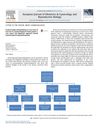 1 citations
,
February 2016 in “European Journal of Obstetrics & Gynecology and Reproductive Biology”
1 citations
,
February 2016 in “European Journal of Obstetrics & Gynecology and Reproductive Biology” An 84-year-old woman's hair loss was due to a rare condition called Leydig cell hyperplasia, which was treated with surgery.
 36 citations
,
May 2011 in “The Journal of Clinical Endocrinology & Metabolism”
36 citations
,
May 2011 in “The Journal of Clinical Endocrinology & Metabolism” Treatment with a hormone agonist can reduce excess male hormones in postmenopausal women without surgery.
 1 citations
,
July 2019 in “The journal of applied laboratory medicine”
1 citations
,
July 2019 in “The journal of applied laboratory medicine” Venous catheterization may help diagnose the cause of female hyperandrogenism when imaging is unclear.
June 2020 in “AACE clinical case reports” A woman's severe male hormone excess was caused by a small, hard-to-find ovarian tumor.
 December 2022 in “Journal of Medical Case Reports”
 A 20-year-old woman was found to have a rare ovarian tumor causing symptoms like acne and a low-pitched voice, which disappeared after the tumor was removed.
 1 citations
,
November 2002 in “Endocrine practice”
1 citations
,
November 2002 in “Endocrine practice” The patient's high testosterone was reduced by a medication that suppresses gonadotropin.