Search
for
Sort by
Research
120-150 / 1000+ results
research Noggin overexpression inhibits eyelid opening by altering epidermal apoptosis and differentiation
Noggin overexpression delays eyelid opening by affecting cell death and skin cell development.
research Anticonvulsant Activity of Progesterone and Neurosteroids in Progesterone Receptor Knockout Mice
Progesterone's seizure-reducing effects are mainly due to allopregnanolone, not progesterone receptors.
research The keratin 19 promoter is potent for cell-specific targeting of genes in transgenic mice
The keratin 19 promoter effectively targets genes in specific epithelial cells in mice.

research Safety of Whole-Body Abrogation of the TRF1 Shelterin Protein in Wild-Type and Cancer-Prone Mouse Models
Deleting the Trf1 protein in mice is safe and may help prevent cancer without major side effects.

research A role for p75 neurotrophin receptor in the control of apoptosis‐driven hair follicle regression
The p75 neurotrophin receptor is important for hair follicle regression by controlling cell death.
research Behavioural characterization of Vitamin D receptor knockout mice
Vitamin D receptor knockout mice have significant motor impairments but no cognitive deficits.
research Transgenic Kallikrein 14 Mice Display Major Hair Shaft Defects Associated with Desmoglein 3 and 4 Degradation, Abnormal Epidermal Differentiation, and IL-36 Signature
Mice with extra human KLK14 had hair and skin problems, including weaker cell bonds and inflammation, linked to Netherton syndrome.
research Correction of Hair Shaft Defects through Allele-Specific Silencing of Mutant Krt75
Using special RNA to target a mutant gene fixed hair problems in mice.

research Production of a 135-residue long N-truncated human keratinocyte growth factor 1 in Escherichia coli
KGF-1 135 is a stable and effective alternative for treating oral mucositis.

research Inhibition of a signaling modality within the gp130 receptor enhances tissue regeneration and mitigates osteoarthritis
Blocking a certain signal in the gp130 receptor can improve tissue healing and lessen osteoarthritis symptoms.
research PRC 2 preserves intestinal progenitors and restricts secretory lineage commitment
PRC2 is essential for maintaining intestinal cell balance and aiding regeneration after damage.
research The RAIG Family Member, GPRC5D, Is Associated with Hard-Keratinized Structures
GPRC5D is linked to the formation of hair, nails, and certain tongue areas.
research DKK4 as a novel candidate marker for Zhexi Angora rabbit wool quality
DKK4 can be used to improve wool quality in Zhexi Angora rabbits.
research Author response: Interplay of opposing fate choices stalls oncogenic growth in murine skin epithelium
The balance between cell renewal and differentiation controls the growth of cancerous cells in mouse skin.
research Loss‐of‐function of Endothelin receptor type A results in Oro‐Oto‐Cardiac syndrome
A mutation in the EDNRA gene causes Oro-Oto-Cardiac syndrome, affecting face and heart development.

research Crosstalk between androgen and Wnt/β-catenin leads to changes of wool density in FGF5-knockout sheep
Blocking the FGF5 gene in sheep leads to more fine wool and active hair follicles due to changes in certain cell signaling pathways.
research Generating mouse models of degenerative diseases using Cre/lox-mediated in vivo mosaic cell ablation
The study created a mouse model to mimic degenerative diseases for testing tissue repair and new therapies.
research Suppression of mammary tumorigenesis in transgenic mice by the RXR-selective retinoid, LGD1069.
LGD1069 effectively prevents breast tumors in mice without toxicity.
research Transgenic mouse models support HCR as an effector gene in the PSORS1 locus
The HCR gene contributes to psoriasis risk.
research Poster presentationsSG11 KRT14 pathogenic or likely pathogenic variants beyond epidermolysis bullosa: dermatopathia pigmentosa reticularis
KRT14 gene variants cause dermatopathia pigmentosa reticularis, affecting nails, teeth, and hair.
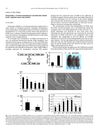
research Progranulin, a secreted tumorigenesis and dementia-related factor, regulates mouse hair growth
Progranulin overexpression leads to shorter, thinner hair and increased cell death in mouse hair follicles.
research p53 Involvement in the Control of Murine Hair Follicle Regression
The p53 protein helps control hair follicle shrinking by promoting cell death in mice.
research STIM1 R304W in mice causes subgingival hair growth and an increased fraction of trabecular bone
The STIM1 R304W mutation in mice leads to bone changes and teeth hair growth.
research Hairless Up‐Regulates Tgf‐β2 Expression via Down‐Regulation of miR‐31 in the Skin of “Hairpoor” (HrHp) Mice
HR protein causes abnormal hair cycles by increasing Tgf-β2 and reducing miR-31.
research A Novel Point Mutation in the Ligand-Binding Domain (LBD) of the Human Glucocorticoid Receptor (hGR) Causing Generalized Glucocorticoid Resistance: The Importance of the C Terminus of hGR LBD in Conferring Transactivational Activity
A new mutation in the human glucocorticoid receptor reduces its function and causes resistance to glucocorticoids.
research Building Models for Keratin Disorders
Krt16-deficient mice help understand skin disorders like PC and FNEPPK.

research Generation of the Krt24-CreERT2 Mouse Line Targeting Outer Bulge Hair Follicle Cells
The study created a mouse model to better understand hair follicle stem cells' role in hair growth and repair.
research Phospholipase C‐δ1 is an essential molecule downstream of Foxnl, the gene responsible for the nude mutation, in normal hair development
Phospholipase C-δ1 is crucial for normal hair development.
research p75 Neurotrophin Receptor Antagonist Retards Apoptosis-driven Hair Follicle Involution (Catagen)
Blocking a specific receptor slows down hair loss in mice.