33 citations
,
January 2015 in “Journal of Ginseng Research” Ginsenoside Rg3 from Panax ginseng can lighten skin by reducing melanin production.
9 citations
,
January 1997 in “Horticultura: Revista de industria, distribución y socioeconomía hortícola: frutas, hortalizas, flores, plantas, árboles ornamentales y viveros” PRC2 is not essential for hair follicle stem cell maintenance or hair growth.
1 citations
,
October 2025 in “Gels” Nanogels with hydrophobic modifications improve oral drug delivery for intestinal disease treatment.
 April 2017 in “Journal of Investigative Dermatology”
 HPH-15, a new compound, effectively reduces skin fibrosis in experiments without causing harm.
 March 2024 in “Plant physiology”
 GLABRA 2 controls ethylene production to help root hair growth during nutrient deficiency.
 1 citations
,
June 2023 in “Advances in therapy”
1 citations
,
June 2023 in “Advances in therapy” Ripretinib is effective and safe for treating advanced GIST in Chinese patients, particularly for non-gastric GISTs.
 25 citations
,
January 2017 in “Steroids”
25 citations
,
January 2017 in “Steroids” Allopregnanolone increases growth and changes gene activity in human brain cancer cells.
 January 2008 in “US endocrinology”
 Mutations in the glucocorticoid receptor gene cause reduced sensitivity to glucocorticoids and may lead to poor response to treatment.
91 citations
,
December 2019 in “The EMBO Journal” NEDD4 and NEDD4L help control intestinal stem cells and prevent tumors by breaking down the LGR5 receptor.
12 citations
,
July 2015 in “Experimental Dermatology” Gasdermin A3 overexpression in skin causes inflammation and hair loss.
 February 2024 in “Frontiers in plant science”
 Peps help Arabidopsis plants grow more root hairs by affecting specific genes and calcium signaling.
3 citations
,
March 2016 in “Experimental Dermatology” A mutation in the hairless gene speeds up severe itchy skin in mice on a special diet.
59 citations
,
November 2011 in “Development” Trps1 is essential for proper hair follicle development.
43 citations
,
September 2009 in “Stem Cells” A nonviral method was developed to label and culture human hair follicle stem cells.
 9 citations
,
September 2014 in “Cancer Epidemiology, Biomarkers & Prevention”
9 citations
,
September 2014 in “Cancer Epidemiology, Biomarkers & Prevention” Certain genetic variants in the androgen receptor are linked to higher PSA levels, potentially affecting prostate cancer screening outcomes.
2 citations
,
May 2024 in “BMC Genomics” Certain genetic changes in the KRT82 gene may cause patchy skin in New Zealand rabbits.
 April 2019 in “Journal of Investigative Dermatology”
 BRG1 is essential for skin cells to move and heal wounds properly.
 July 2025 in “The Egyptian Journal of Hospital Medicine”
 Estrogen affects hair growth, and GPER-1 levels might help identify hair loss types.
6 citations
,
October 2023 in “Animal Biotechnology” A specific gene variation in goats is linked to better growth traits.
September 2003 in “Faculty Opinions – Post-Publication Peer Review of the Biomedical Literature” GLABRA2 gene controls root-hair growth by regulating phospholipid signaling.
 56 citations
,
December 2011 in “The Plant Journal”
56 citations
,
December 2011 in “The Plant Journal” AGD1 is important for root hair development in Arabidopsis, working with phosphoinositide signaling and the actin cytoskeleton.
5 citations
,
June 2008 in “British Journal of Dermatology” 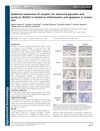 10 citations
,
November 2015 in “Experimental Dermatology”
10 citations
,
November 2015 in “Experimental Dermatology” Skin RAGE levels are linked to inflammation and cell death.
21 citations
,
February 2023 in “Bioengineering” Standardizing PRP therapy practices and regulations in Europe is crucial for safe and effective treatment.
23 citations
,
July 2020 in “BMC Genomics” NCBP3, SDHA, and PTPRA are the best genes for accurate goat skin research.
19 citations
,
May 2001 in “Endocrinology” Mrp3 may aid in wound healing and hair growth.
February 2026 in “The Journal of Sexual Medicine” GnRH agonists can help manage recurrent priapism in sickle cell patients, but long-term safety is unclear.
November 2015 in “Journal of the Korea Academia-Industrial cooperation Society” The new assay can help develop products for hair re-growth.
March 2017 in “Zenodo (CERN European Organization for Nuclear Research)” L. plantarum MTCC 1325 may help improve memory and cognitive functions in Alzheimer's.
January 2010 in “Acta Universitatis Medicinalis Nanjing” Progesterone helps adult male mice's brain cells survive and improves learning and memory.