 February 2022 in “Research Square (Research Square)”
 High TSPEAR levels in colorectal cancer predict worse outcomes.
73 citations
,
June 2006 in “Animal genetics” The FGF5 gene determines hair length in dogs.
 131 citations
,
March 2004 in “The American journal of pathology”
131 citations
,
March 2004 in “The American journal of pathology” Modulating BMP activity changes the number, size, shape, and type of ectodermal organs.
4 citations
,
October 2023 in “Children” Early diagnosis and comprehensive care are crucial for managing Focal Dermal Hypoplasia's complex symptoms.
November 2022 in “Journal of Investigative Dermatology” A new tool helps study hair follicle cells to develop better treatments for hair disorders.
 6 citations
,
January 2020 in “International journal of biological sciences”
6 citations
,
January 2020 in “International journal of biological sciences” Removing the ROBO4 gene in mice reduces skin inflammation and hair loss by affecting certain inflammation pathways and gene expression.
 January 2026 in “Communications Biology”
 Yak hair follicles adapt to cold through specific gene regulation, enhancing cell growth.
 11 citations
,
September 2011 in “Biochemical journal”
11 citations
,
September 2011 in “Biochemical journal” Neurotrophin-4 increases calcium current in specific mouse neurons through the PI3K pathway.
 1 citations
,
December 2018 in “Journal of genetic medicine”
1 citations
,
December 2018 in “Journal of genetic medicine” A small change in the TRPS1 gene leads to a less severe form of a syndrome affecting hair, nose, and finger development.
 11 citations
,
January 2022 in “Theranostics”
11 citations
,
January 2022 in “Theranostics” Wnt4 is essential for heart repair and could be a target for heart disease treatment.
 April 2026 in “Experimental & Molecular Medicine”
 Mouse and human skin development share similar fibroblast timelines.
16 citations
,
March 2020 in “Animal Biotechnology” Transgenic sheep embryos with a specific promoter were successfully created, but more research is needed for gene expression in hair follicles.
37 citations
,
January 2010 in “Human Molecular Genetics” FTase and GGTase-I are essential for skin keratinocyte health.
 April 2026 in “Open MIND”
 GLP-1 medications can cause skin and muscle issues, but treatments like ultrasound and PRP can help.
12 citations
,
July 2019 in “Veterinary Dermatology” Nestin-expressing progenitor cells become outer root sheath keratinocytes.

TBX3 gene affects horse coat color, with higher expression in darker areas.
 8 citations
,
October 2023 in “JMIR dermatology”
8 citations
,
October 2023 in “JMIR dermatology” ChatGPT can be a helpful dermatology resource but should not replace professional consultations.
18 citations
,
December 2002 in “European Journal of Biochemistry” MsPG3 protein gathers at root hair tips, aiding growth.
 January 2022 in “Research Square (Research Square)”
 High TSPEAR levels in colorectal cancer predict worse outcomes.
 43 citations
,
February 2013 in “Developmental dynamics”
43 citations
,
February 2013 in “Developmental dynamics” Foxi3 expression in developing teeth and hair is controlled by the ectodysplasin pathway.
5 citations
,
February 2022 in “Molecular genetics & genomic medicine” New gene variants linked to a rare inherited hair loss disorder were found in three Chinese families.
 June 2026 in “Indian Journal of Postgraduate Dermatology”
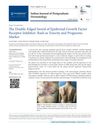
 Rash from EGFRI treatment can indicate both side effects and treatment effectiveness.
July 2017 in “OPAL (Open@LaTrobe) (La Trobe University)” High-throughput LC-MS screening is effective for finding new autotaxin inhibitors for asthma treatment.
 10 citations
,
September 1997 in “Molecular carcinogenesis”
10 citations
,
September 1997 in “Molecular carcinogenesis” Mirex seems to promote a unique group of skin cells different from those affected by another tumor promoter, TPA.
 November 2022 in “Gigascience”
 A specific genetic deletion in goats affects cashmere yield and thickness.
 November 2022 in “The journal of investigative dermatology/Journal of investigative dermatology”
 A patient with a new PLEC gene mutation showed symptoms of both muscular dystrophy and myasthenia gravis, which improved with steroid treatment.
33 citations
,
February 2021 in “Journal of Medicinal Chemistry” New compounds were developed that promote hair growth in mice.
 28 citations
,
July 2008 in “Developmental Biology”
28 citations
,
July 2008 in “Developmental Biology” Smad4 is important for healthy hair follicles because it helps produce a protein needed for hair to stick together and grow.
25 citations
,
July 2015 in “EMBO Reports” Tmem50b and 2610305D13Rik genes play key roles in early mouse embryo development.
4 citations
,
May 2025 in “Cells” miR-370-3p slows sheep hair cell growth by blocking SMAD4.