 2 citations
,
April 2018 in “Journal of Cosmetic Dermatology”
2 citations
,
April 2018 in “Journal of Cosmetic Dermatology” Tumescent fluid increases scalp hair angles, which may improve hair transplant results and reduce surgeon fatigue.
 2 citations
,
September 2007
2 citations
,
September 2007 Surgical hair restoration involves moving hair from a non-balding area to a balding area, with the transplanted hair not subject to male pattern baldness. Medications can slow hair loss and regrow some hair, but successful treatment needs careful planning, skill, and ethical responsibility due to progressive hair loss and limited donor hair.
 2 citations
,
October 1997 in “Dermatologic Clinics”
2 citations
,
October 1997 in “Dermatologic Clinics” The document concludes that advancements in hair restoration surgery have led to more natural results and patient satisfaction, with hope for future improvements in treatment.
 1 citations
,
February 2019 in “Journal of The American Academy of Dermatology”
1 citations
,
February 2019 in “Journal of The American Academy of Dermatology” Using three-hair grafts from the back of the head for eyebrow transplantation offers a natural look and reduces scarring.
 1 citations
,
June 2017 in “Actas Dermo-Sifiliográficas”
1 citations
,
June 2017 in “Actas Dermo-Sifiliográficas” Follicular Unit Extraction (FUE) is a hair transplant method with less scarring and discomfort but requires skilled surgeons and has limitations on graft numbers per session.
 May 2026 in “International Journal of Drug Delivery Technology”
 Adrenaline infiltration improves hair transplant efficiency and safety.
 May 2026 in “International Journal of Drug Delivery Technology”
 Using a 45-degree angle for hair transplants improves efficiency and results.
 November 2025 in “International Journal of Zoology and Applied Biosciences”
 New technologies like AI, robotics, and stem cells have made hair transplants more effective and natural-looking.
 November 2023 in “Computational and Structural Biotechnology Journal”
 A single robotic system can accurately harvest and implant hair grafts, showing promise for real-world use.
 November 2018 in “Springer eBooks”
 The document concludes that hair transplant methods are often selected for provider convenience over patient benefit, highlighting the need for less invasive techniques and careful physician involvement for better results.
 September 2017 in “Springer eBooks”
 FUE hair transplants have improved to give more natural results with less scarring and pain.
 September 2017 in “Indian Journal of Plastic Surgery”
 Garg and Garg created an affordable, easy-to-use training program for hair restoration surgery using everyday items, which can teach a technician the basics in 3-4 weeks with two hours of daily practice.
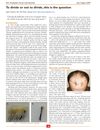 July 2009 in “International Society of Hair Restoration Surgery”
 Dividing hair grafts may make hair look fuller, but more research is needed.
 June 2006 in “The American Journal of Cosmetic Surgery”
 Advancements in cosmetic and reconstructive surgery improve techniques and patient satisfaction.
 September 2002 in “Dermatologic Surgery”
 The best results in surgical hair restoration come from careful techniques, optimal use of limited hair supply, correct hair direction, saving hair for key areas, understanding scarring effects, and adjusting hair graft density.
 June 2002 in “Seminars in Cutaneous Medicine and Surgery”
 Hair transplantation has improved to more natural-looking results and is complemented by effective non-surgical treatments, with ongoing research into hair follicle cloning.
 139 citations
,
February 2010 in “The journal of allergy and clinical immunology/Journal of allergy and clinical immunology/The journal of allergy and clinical immunology”
139 citations
,
February 2010 in “The journal of allergy and clinical immunology/Journal of allergy and clinical immunology/The journal of allergy and clinical immunology” Transplant success has improved with better immunosuppressive drugs and donor matching.
 40 citations
,
December 1980 in “The Journal of Dermatologic Surgery and Oncology”
40 citations
,
December 1980 in “The Journal of Dermatologic Surgery and Oncology” An improved scalp reduction technique reduces the need for hair grafts and has minimal complications.
 12 citations
,
February 2007 in “Facial Plastic Surgery”
12 citations
,
February 2007 in “Facial Plastic Surgery” Hair transplantation techniques have improved over 12 years, with follicular unit grafting providing more natural results and potential future advances in automation and genetics.
 9 citations
,
January 2005 in “Journal of Cosmetic and Laser Therapy”
9 citations
,
January 2005 in “Journal of Cosmetic and Laser Therapy” In 2005, hair transplants looked natural and worked best with realistic goals, medication to preserve hair, and depended on the amount of donor hair.
 4 citations
,
April 2020 in “Facial Plastic Surgery Clinics of North America”
4 citations
,
April 2020 in “Facial Plastic Surgery Clinics of North America” Hair loss in women is complex to diagnose and treat, and hair restoration should be done by experts. Using minoxidil before surgery can help manage post-surgery hair shock loss. The Follicular Unit Transplantation method is recommended for women due to its speed, no need for shaving, and better graft quality. Strategies like L, T, and reverse L patterns can help restore central hair density, and regenerative methods can improve graft survival in hair transplants.
Hair transplants are effective for male and female pattern baldness, have evolved in technique, and require careful planning for natural results and managing complications.
 1 citations
,
January 1985 in “Facial Plastic Surgery”
1 citations
,
January 1985 in “Facial Plastic Surgery” The document recommends careful planning and techniques for successful punch hair grafting in hair restoration.
 November 2018 in “Springer eBooks”
 The document concludes that specialized hair transplant techniques can be effective, with varying success rates depending on the donor area and patient factors.

Robotic-assisted hair transplant is effective and less painful, but needs more evaluation for long-term results.
 October 1987 in “Clinics in Dermatology”
 Hair transplantation is beneficial if the right patients are chosen and the procedure is done carefully.
 40 citations
,
June 2013 in “Molecular Pharmaceutics”
40 citations
,
June 2013 in “Molecular Pharmaceutics” The gelatin/β-TCP scaffold with nanoparticles improves wound healing and skin regeneration.
 7 citations
,
March 2002 in “Aesthetic Surgery Journal”
7 citations
,
March 2002 in “Aesthetic Surgery Journal” In 2002, hair restoration improved by using a different area for grafts and absorbable sutures, leading to less discomfort and better results.
 May 1991 in “Current problems in dermatology”
 Skin issues can indicate immune system problems.
 February 2008 in “Experimental dermatology”
 Oxidative stress plays a significant role in vitiligo, and both skin and non-skin cells may be involved.