 102 citations
,
April 2014 in “International Journal of Dermatology”
102 citations
,
April 2014 in “International Journal of Dermatology” The treatment helped reduce symptoms and stabilize the hairline in most patients with Frontal Fibrosing Alopecia, but hair regrowth was limited.
 98 citations
,
January 2013 in “Journal of The American Academy of Dermatology”
98 citations
,
January 2013 in “Journal of The American Academy of Dermatology” Dutasteride may help stabilize Frontal Fibrosing Alopecia, but more research is needed.
 90 citations
,
June 2006 in “The American Journal of Dermatopathology”
90 citations
,
June 2006 in “The American Journal of Dermatopathology” The document concludes that accurate diagnosis of different types of hair loss requires careful examination of hair and scalp tissue, considering both clinical and microscopic features.
 57 citations
,
January 2003 in “Clinical and experimental dermatology”
57 citations
,
January 2003 in “Clinical and experimental dermatology” Postmenopausal frontal fibrosing alopecia is a type of hair loss in postmenopausal women that may stop on its own but has no effective treatment.
 31 citations
,
April 2010 in “British journal of dermatology/British journal of dermatology, Supplement”
31 citations
,
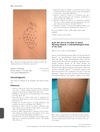
April 2010 in “British journal of dermatology/British journal of dermatology, Supplement” Frontal fibrosing alopecia can cause sudden hair loss on limbs, similar to scalp hair loss.
 29 citations
,
July 2010 in “Journal of Cutaneous Medicine and Surgery”
29 citations
,
July 2010 in “Journal of Cutaneous Medicine and Surgery” Treatments for Frontal Fibrosing Alopecia have not been proven effective.
 23 citations
,
April 2021 in “Journal of Clinical Medicine”
23 citations
,
April 2021 in “Journal of Clinical Medicine” Frontal Fibrosing Alopecia's cause is unclear, affects mainly postmenopausal women, and current treatments focus on stopping hair loss rather than regrowth.
 23 citations
,
November 2018 in “Journal of the European Academy of Dermatology and Venereology”
23 citations
,
November 2018 in “Journal of the European Academy of Dermatology and Venereology” The study concluded that severity of Frontal fibrosing alopecia is not linked to how long someone has it, can start before menopause, and eyebrow loss may be an early sign.
 13 citations
,
April 2001 in “International Journal of Dermatology”
13 citations
,
April 2001 in “International Journal of Dermatology” Different types of scarring alopecia may be stages of one disease, and accurate diagnosis is crucial to prevent permanent hair loss.
 12 citations
,
January 2015 in “Indian Journal of Dermatology, Venereology and Leprology”
12 citations
,
January 2015 in “Indian Journal of Dermatology, Venereology and Leprology” A mother and daughter with similar hair loss conditions and identical HLA types suggest a genetic link between the conditions.
Low-dose oral isotretinoin improved hair loss and facial bumps in patients with a specific type of hair loss.
2 citations
,
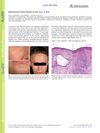
December 2018 Alopecia frontal fibrosante affects facial vellus hair and can be diagnosed with dermatoscopy.
 1 citations
,
January 2019 in “Acta dermato-venereologica”
1 citations
,
January 2019 in “Acta dermato-venereologica” The woman's skin and hair symptoms were confirmed as frontal fibrosing alopecia, and while facial papules are common in such cases, there's no effective local treatment, but systemic treatments can help.

Clinical signs don't match inflammation levels in lichen planopilaris and frontal fibrosing alopecia.
 March 2021 in “Revista Medicina Cutánea Ibero-Latino-Americana”
 Trichoscopy helps diagnose scarring alopecia early and non-invasively.
 July 2018 in “Elsevier eBooks”
 Frontal Fibrosing Alopecia is a type of hair loss affecting mostly older women, with no agreed best treatment.
 December 2013 in “Research Portal (King's College London)”
 Hair loss in Lichen Planopilaris is caused by immune system issues damaging hair follicles and stem cells.
 155 citations
,
June 2009 in “International Journal of Dermatology”
155 citations
,
June 2009 in “International Journal of Dermatology” Lichen planus is a skin condition that can resolve on its own, is linked to hepatitis C, and increases the risk of skin cancer.
 150 citations
,
October 2010 in “The American Journal of Pathology”
150 citations
,
October 2010 in “The American Journal of Pathology” The document concludes that more research is needed to better understand and treat primary cicatricial alopecias, and suggests a possible reclassification based on molecular pathways.
 44 citations
,
November 2011 in “The Journal of Dermatology”
44 citations
,
November 2011 in “The Journal of Dermatology” New understanding of the causes of primary cicatricial alopecia has led to better diagnosis and potential new treatments.
 36 citations
,
January 2012 in “International Journal of Trichology”
36 citations
,
January 2012 in “International Journal of Trichology” Losing eyelashes or eyebrows can be a sign of many different health problems and needs a careful approach to treat effectively.
 November 2015 in “European Journal of Inflammation”
 Cicatricial alopecia, a permanent hair loss condition, is mainly caused by damage to specific hair follicle stem cells and abnormal immune responses, with gene regulator PPAR-y and lipid metabolism disorders playing significant roles.
 61 citations
,
January 2019 in “American Journal of Clinical Dermatology”
61 citations
,
January 2019 in “American Journal of Clinical Dermatology” The cause of Frontal Fibrosing Alopecia is unclear, diagnosis involves clinical evaluation and various treatments exist, but their effectiveness is uncertain.
 1 citations
,
June 2017 in “Skin”
1 citations
,
June 2017 in “Skin” Apremilast may help treat lichen planopilaris and frontal fibrosing alopecia when other treatments fail.
 8 citations
,
June 2008 in “Aktuelle Dermatologie”
8 citations
,
June 2008 in “Aktuelle Dermatologie” Early diagnosis and personalized treatment are crucial for managing different types of alopecia effectively.
 37 citations
,
May 2016 in “Deutsches Arzteblatt International”
37 citations
,
May 2016 in “Deutsches Arzteblatt International” Hair loss requires customized treatments based on its various causes and types.
 27 citations
,
September 2018 in “Skin appendage disorders”
27 citations
,
September 2018 in “Skin appendage disorders” Hair transplantation may work for some types of scarring alopecia, but results vary and more research is needed.
 August 2016 in “Journal of the Portuguese Society of Dermatology and Venereology”
 Two women with darker skin had both frontal hair thinning and skin discoloration.
9 citations
,
September 2018 in “JAAD Case Reports” Lichen planopilaris can be triggered by prolonged scalp traction and can be treated with corticosteroids.
 November 2022 in “JAAD case reports”
 A man with skin and hair symptoms improved partially with specific treatment.