 4 citations
,
December 2020 in “Mammalian genome”
4 citations
,
December 2020 in “Mammalian genome” Harlequin mutant mice have hair loss due to low AIF protein levels and retroviral element activity.
 January 2018 in “Stem cells in clinical applications”
 Exosomes show promise for tissue repair and regeneration with advantages over traditional cell therapies.
 150 citations
,
October 2010 in “The American Journal of Pathology”
150 citations
,
October 2010 in “The American Journal of Pathology” The document concludes that more research is needed to better understand and treat primary cicatricial alopecias, and suggests a possible reclassification based on molecular pathways.
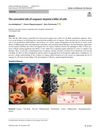 13 citations
,
December 2024 in “Cellular and Molecular Life Sciences”
13 citations
,
December 2024 in “Cellular and Molecular Life Sciences” Caspases do more than kill cells; they also help in cell growth and disease, and targeting them could lead to new treatments.
 May 2017 in “Journal of The American Academy of Dermatology”
 LED light helps human hair root cells grow and move by activating certain cell pathways.
 May 2017 in “Journal of The American Academy of Dermatology”
 LED light helps human hair root cells grow and prevents them from dying by activating specific growth pathways.
 174 citations
,
April 2005 in “The American journal of pathology (Print)”
174 citations
,
April 2005 in “The American journal of pathology (Print)” Capsaicin, found in chili peppers, can slow down hair growth by affecting skin cells and hair follicles.
 146 citations
,
May 2002 in “The American journal of pathology”
146 citations
,
May 2002 in “The American journal of pathology” Cathepsin L is essential for normal hair growth and development.
 130 citations
,
August 2015 in “Experimental Dermatology”
130 citations
,
August 2015 in “Experimental Dermatology” Human hair follicle organ culture is a useful model for hair research with potential for studying hair biology and testing treatments.
130 citations
,
December 1998 in “The journal of investigative dermatology/Journal of investigative dermatology” Hair follicle melanocytes die during hair regression.
 67 citations
,
August 2013 in “International Journal of Cosmetic Science”
67 citations
,
August 2013 in “International Journal of Cosmetic Science” Hair greying is caused by oxidative stress damaging hair follicles and melanocytes.
 205 citations
,
April 2005 in “Journal of Investigative Dermatology”
205 citations
,
April 2005 in “Journal of Investigative Dermatology” Scientists have found a way to create hair follicles from skin cells of newborn mice, which can grow and cycle naturally when injected into adult mouse skin.
 31 citations
,
April 2007 in “Experimental Dermatology”
31 citations
,
April 2007 in “Experimental Dermatology” Stress in mice delays hair growth and treatments blocking substance P can partly reverse this effect.
26 citations
,
March 2020 in “Antioxidants” Microwave-assisted Opuntia humifusa extract protects skin cells from pollution damage.
 11 citations
,
October 2016 in “Biomedicine & Pharmacotherapy”
11 citations
,
October 2016 in “Biomedicine & Pharmacotherapy” Both human platelet lysate and minoxidil can promote hair growth, but they affect different genes and cell survival rates.
 May 2016 in “Research opinions in animal & veterinary sciences”
 Maternal aspartame consumption during pregnancy leads to skin damage and higher apoptosis in newborn rat offspring.

A stable sheep ovarian cell line was created for studying reproduction and hormones.
 96 citations
,
October 2000 in “The FASEB Journal”
96 citations
,
October 2000 in “The FASEB Journal” The p75 neurotrophin receptor is important for hair follicle regression by controlling cell death.
 24 citations
,
March 2017 in “Archives of Gynecology and Obstetrics”
24 citations
,
March 2017 in “Archives of Gynecology and Obstetrics” The study found that women with hyperandrogenic PCOS have higher levels of AKT1 and AKT2 proteins in their cells, which may lead to cell dysfunction.
 66 citations
,
January 2017 in “Acta dermato-venereologica”
66 citations
,
January 2017 in “Acta dermato-venereologica” Isotretinoin's effects and side effects, like birth defects and depression, might be due to it causing cell death in various cells.
 11 citations
,
March 2007 in “Digestive Diseases and Sciences”
11 citations
,
March 2007 in “Digestive Diseases and Sciences” The conditions alopecia areata, primary sclerosing cholangitis, and ulcerative colitis may be linked by shared autoimmune and cell death mechanisms.
2 citations
,
September 2021 in “JAAD case reports” A man with a weakened immune system was diagnosed with a rare skin condition called trichodysplasia spinulosa using skin examination techniques.
110 citations
,
September 2017 in “Molecules” Forsythiae Fructus has anti-inflammatory, antibacterial, and antiviral properties, with differences between unripe and ripe forms important for clinical use.
8 citations
,
April 2016 in “Experimental dermatology” B6.Cg-Tyr c−2J Hr hr /J mice have a stronger delayed sunburn reaction and are good for UV research.
13 citations
,
January 1993 in “Archives of dermatological research” Human hair follicles can grow and stay healthy for up to 8 days in a lab setting.
 6 citations
,
February 2022 in “Journal of immunology research”
6 citations
,
February 2022 in “Journal of immunology research” Exosomes from fat-derived stem cells can potentially improve hair growth and could be a new treatment for immune-related hair loss.
127 citations
,
January 2000 in “Journal of Investigative Dermatology” Cytotoxic T cells cause hair loss in chronic alopecia areata.
 1398 citations
,
May 2008 in “Histochemistry and Cell Biology”
1398 citations
,
May 2008 in “Histochemistry and Cell Biology” Keratins are crucial for cell stability, wound healing, and cancer diagnosis.
 56 citations
,
March 2015 in “Journal of Investigative Dermatology”
56 citations
,
March 2015 in “Journal of Investigative Dermatology” Healthy mitochondria in skin cells are essential for proper hair growth and skin cell interaction in mice.
 March 2023 in “Journal of Cosmetic Dermatology”
 A woman's progressive hair loss was correctly diagnosed as a rare condition called fibrosing alopecia in a pattern distribution after initially being mistaken for a more common type.