2 citations
,
August 2022 in “Middle East Fertility Society Journal” The new rodent model successfully mimics non-lean human PCOS symptoms.
19 citations
,
November 2012 in “Cell Communication and Signaling” FGF-9 speeds up the early development of certain organs, showing potential for organ regeneration.
143 citations
,
May 2002 in “PubMed” LGD1069 effectively prevents breast tumors in mice without toxicity.
28 citations
,
November 2009 in “European Journal of Neuroscience” Progesterone and allopregnanolone increase glycine release in rat brain cells.
11 citations
,
January 1956 in “Journal of Investigative Dermatology”  11 citations
,
January 2012 in “Journal of cell science”
11 citations
,
January 2012 in “Journal of cell science” Rac1 is essential for proper hair structure and color.
The gene Endothelin 3 makes mice's fur darker by increasing pigment cells and pigment levels.
December 2022 in “International Journal of Molecular Sciences” Afatinib, neratinib, and zanubrutinib could be effective against KRASG12C-mutant tumors.
9 citations
,
October 2017 in “Frontiers in plant science” The peach gene CTG134 helps control the interaction between auxin and ethylene, which could lead to new agricultural chemicals.
 7 citations
,
January 2012
7 citations
,
January 2012 California Ground Squirrel hair can indicate environmental health by showing element accumulation.
Inhibiting mTORC2 can reduce DNA repair and increase cancer cell death, suggesting potential for targeted brain cancer treatments.
May 2025 in “Experimental Dermatology” A new genetic tool improves the study of hair growth and potential hair disorder treatments.
 37 citations
,
February 2019 in “Experimental Dermatology”
37 citations
,
February 2019 in “Experimental Dermatology” Spiny mice are better at regenerating hair after injury than laboratory mice and could help us understand how to improve human skin repair.
 6 citations
,
May 2022 in “Frontiers in physiology”
6 citations
,
May 2022 in “Frontiers in physiology” Injecting CHIR-99021 into goose embryos improves feather growth by changing gene activity and energy processes.
105 citations
,
October 2018 in “Nature” A small group of slow-growing cells causes basal cell carcinoma to return after treatment.
 2 citations
,
October 1999 in “Annals of the New York Academy of Sciences”
2 citations
,
October 1999 in “Annals of the New York Academy of Sciences” Melatonin and cortisol affect mink winter hair growth, but β-endorphin levels do not.
 7 citations
,
January 2020 in “Nature”
7 citations
,
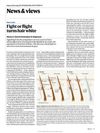
January 2020 in “Nature” Stress turns hair white by depleting color-giving cells in hair follicles through a specific neurotransmitter related to the body's stress response.
 1 citations
,
April 2021 in “The journal of investigative dermatology/Journal of investigative dermatology”
1 citations
,
April 2021 in “The journal of investigative dermatology/Journal of investigative dermatology” mTORC1 activity is important for hair growth and color, and targeting it could help treat hair loss and greying.
January 1975 in “NJEA Review” The drug showed promise in treating renal cell carcinoma with manageable side effects.
8 citations
,
October 2012 in “Transgenic Research” Overexpressing the human H-ferritin gene in mice causes mild growth delay and temporary hair loss.
 18 citations
,
April 2014 in “Stem cells”
18 citations
,
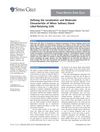
April 2014 in “Stem cells” The study found stem cells in minor salivary glands that can differentiate and are involved in tumor formation when exposed to tobacco.
1 citations
,
December 2023 in “Animals” Winter provides the best fur quality for Rex rabbits due to seasonal changes in specific signaling pathways.
 28 citations
,
November 2013 in “The journal of investigative dermatology/Journal of investigative dermatology”
28 citations
,
November 2013 in “The journal of investigative dermatology/Journal of investigative dermatology” GMG-43AC may help reduce unwanted hair growth and treat certain hair loss conditions.
14 citations
,
December 2001 in “Journal of autoimmunity” Rats can develop an immune response to prion protein peptides, but it may cause severe skin issues in older rats.
4 citations
,
January 1991 in “Journal of dermatological treatment” Goserelin and oestradiol treatment slightly improved hairiness but did not significantly change sebum production or hair characteristics in mildly hirsute women.
 1 citations
,
January 2020 in “bioRxiv (Cold Spring Harbor Laboratory)”
1 citations
,
January 2020 in “bioRxiv (Cold Spring Harbor Laboratory)” Dicer is crucial for hair growth in mice.
77 citations
,
April 2005 in “Journal of Investigative Dermatology” Repetin is a protein involved in skin and hair development, binding calcium and compensating for other proteins when needed.
 10 citations
,
January 2014 in “Journal of prosthodontic research”
10 citations
,
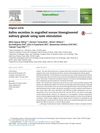
January 2014 in “Journal of prosthodontic research” Bioengineered salivary glands in mice can produce saliva when tasting sour or bitter, but have different protein levels and nerve signals compared to natural glands.
January 2014 in “China Animal Husbandry & Veterinary Medicine” EGF, IGF-I, and IGF-IR genes are crucial for mink skin and hair growth.
 4 citations
,
January 2021 in “International Journal of Medical Sciences”
4 citations
,
January 2021 in “International Journal of Medical Sciences” miR-182 may help treat hallux valgus by targeting FGF9.