22 citations
,
September 2000 in “Journal of Investigative Dermatology” μ-Crystallin may help hair growth by affecting thyroid hormone levels in mouse hair follicles.
 21 citations
,
May 2022 in “Frontiers in Cell and Developmental Biology”
21 citations
,
May 2022 in “Frontiers in Cell and Developmental Biology” Hair growth and health are influenced by factors like age, environment, and nutrition, and are controlled by various molecular pathways. Red light can promote hair growth, and understanding these processes can help treat hair-related diseases.
16 citations
,
December 2005 in “Journal of Animal Physiology and Animal Nutrition” Moderate selenium levels in a dog's diet are best for hair growth.
16 citations
,
August 1996 in “The journal of experimental zoology/Journal of experimental zoology” Red deer hair cells offer a new way to study how hormones affect hair growth.
13 citations
,
May 2021 in “FASEB bioAdvances” Plant-based products can improve hair and skin health without harmful side effects.
 12 citations
,
May 2023 in “EMBO reports”
12 citations
,
May 2023 in “EMBO reports” High mTORC1 activity slows hair growth and causes it to lose color.
 7 citations
,
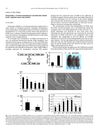
December 2008 in “Journal of Dermatological Science”
7 citations
,
December 2008 in “Journal of Dermatological Science” Progranulin overexpression leads to shorter, thinner hair and increased cell death in mouse hair follicles.
 6 citations
,
April 2019 in “Endocrinology and Metabolism Clinics of North America”
6 citations
,
April 2019 in “Endocrinology and Metabolism Clinics of North America” Testosterone therapy for transmasculine individuals is generally safe with medical supervision, improves mental health, and has mixed effects on physical health.
 6 citations
,
January 2007 in “Actas dermo-sifiliográficas/Actas dermo-sifiliográficas”
6 citations
,
January 2007 in “Actas dermo-sifiliográficas/Actas dermo-sifiliográficas” Gray hair regained color after thyroid hormone treatment.
5 citations
,
June 1995 in “Comparative biochemistry and physiology. Part C. Comparative pharmacology and toxicology/Comparative biochemistry and physiology. C. Comparative pharmacology and toxicology” Removing mink's adrenal glands causes their summer fur to grow earlier.
4 citations
,
February 1953 in “Experimental biology and medicine” Adrenocortical extract is less effective at stopping hair growth in young rats than in adult rats.
 3 citations
,
January 2024 in “Liver International”
3 citations
,
January 2024 in “Liver International” Targeting thyroid hormone receptor α in liver cells may help treat liver fibrosis.
 2 citations
,
October 2021 in “Exploration of targeted anti-tumor therapy”
2 citations
,
October 2021 in “Exploration of targeted anti-tumor therapy” Breast cancer hormone therapy can cause hair loss, which can be treated with daily applications of specific topical solutions like minoxidil and hydrocortisone butyrate.
 2 citations
,
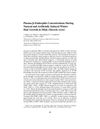
October 1999 in “Annals of the New York Academy of Sciences”
2 citations
,
October 1999 in “Annals of the New York Academy of Sciences” Melatonin and cortisol affect mink winter hair growth, but β-endorphin levels do not.
1 citations
,
May 2020 in “bioRxiv (Cold Spring Harbor Laboratory)” The fer-ts mutation in plants prevents root hair growth at high temperatures.
1 citations
,
December 2014 in “Journal of the Society of Cosmetic Scientists of Korea” CRF can cause hair loss, but blocking its receptors might prevent this.
 1 citations
,
January 2009 in “Drug delivery system”
1 citations
,
January 2009 in “Drug delivery system” Anti-aging treatments like hair transplants, minoxidil, and finasteride effectively promote hair growth.
May 2026 in “Meditsinskiy sovet = Medical Council” Menopausal hormone therapy can improve skin and hair health in menopausal women.
 December 2022 in “Journal of Experimental Biology and Agricultural Sciences”
 Using certain plant growth regulators together improves the cloning of the medicinal plant Eclipta alba.
 January 2021 in “International journal of pharmaceutical research”
 Sansevieria trifasciata P. extracts, especially the ethyl acetate fraction, effectively promote hair growth in male rabbits with hair loss.
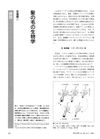 January 1998 in “KAGAKU TO SEIBUTSU”
 The document suggests that male hormones likely affect hair growth and baldness, and future treatments might involve stem cells and androgen-independent cells.
200 citations
,
August 2009 in “Experimental dermatology” Eating high-glycemic foods and drinking milk may worsen acne by increasing insulin and IGF-1 levels.
 146 citations
,
January 2004 in “Hormones”
146 citations
,
January 2004 in “Hormones” Human skin acts like a hormone-producing organ, making and managing various hormones important for skin and hair health.
 51 citations
,
January 2003 in “Hormone Research in Paediatrics”
51 citations
,
January 2003 in “Hormone Research in Paediatrics” Hormones and their receptors, especially androgens, play a key role in hair growth and disorders like baldness.
 44 citations
,
July 2011 in “Dermato-endocrinology”
44 citations
,
July 2011 in “Dermato-endocrinology” Thyroid hormone affects skin health, with too little causing rough, pale skin and too much leading to smooth, thin skin, and may also impact wound healing and skin conditions.
 28 citations
,
March 1942 in “Journal of Endocrinology”
28 citations
,
March 1942 in “Journal of Endocrinology” Male rats grow hair faster than females, and certain hormones can slow or slightly increase hair growth, but not significantly beyond natural rates.
 November 2014 in “John Wiley & Sons, Ltd eBooks”
 Eating high-glycemic and dairy foods can increase hormones that may cause acne and other health issues.
20 citations
,
January 1979 in “Journal of Experimental Zoology” Plucking hair speeds up the next hair growth, but hormones can change this timing.
 18 citations
,
May 1992 in “American Journal of Biological Anthropology”
18 citations
,
May 1992 in “American Journal of Biological Anthropology” Higher androgen levels do not cause baldness in men.
 24 citations
,
September 1996 in “Mycoses”
24 citations
,
September 1996 in “Mycoses” Androgenic steroids can slow down or stop the growth of certain skin fungi.