January 2026 in “American Journal of Medical Genetics Part A” A new genetic variant causes trichothiodystrophy in two brothers, but their mother may carry it without showing symptoms.
January 2026 in “Journal of Dermatological Treatment” GT20029 showed some hair growth improvement, but longer studies are needed for better results.
3 citations
,
July 2022 in “Brain and Behavior” The HtrA1L364P mutation causes brain dysfunction and blood vessel damage.
35 citations
,
July 2010 in “The FEBS journal” The study found a specific peptide that helps detect TGase 3 activity in skin and hair follicles.
 April 2023 in “The journal of investigative dermatology/Journal of investigative dermatology”
 Lack of TG2 increases fat storage and lowers cell cleanup in skin oil cells.
69 citations
,
December 2015 in “BMC plant biology” Three genes in Arabidopsis are important for plant growth and development by affecting sugar attachment to proteins.
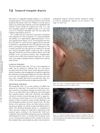 April 2012 in “Informa Healthcare eBooks”
 Temporal triangular alopecia is a lifelong condition with hairless patches on the side of the head that may be present from birth.
6 citations
,
December 2019 in “Frontiers in genetics” GLI1 might protect against the start of skin cancer and is not linked to cancer severity.
Topical GT20029 effectively promotes hair regrowth and is well-tolerated.
 10 citations
,
June 2011 in “Movement Disorders”
10 citations
,
June 2011 in “Movement Disorders” THAP1 gene changes do not affect DYT1 dystonia; finasteride may help reduce tics and OCD in Tourette syndrome.
 July 2022 in “The journal of investigative dermatology/Journal of investigative dermatology”
 Thymic stromal lymphopoietin (TSLP) promotes hair growth by stimulating specific skin cells.
January 2022 in “Figshare” lncRNA MTC helps goat skin cells grow and may aid hair growth by controlling proteins linked to cell growth.
39 citations
,
April 2019 in “The journal of immunology/The Journal of immunology” Malt1 protease is essential for regulatory T cell function and could be targeted to boost antitumor immunity.
24 citations
,
November 1997 in “Journal of Biological Chemistry” Mouse high-glycine/tyrosine proteins have distinct patterns in hair follicles, peaking at specific hair cycle days.
September 2025 in “Genes & Diseases” Lgr6+ cells are important for tissue repair and could be a target for treating cancer and other diseases.
December 2024 in “Veterinary Dermatology” A sugar glider had a rare skin cancer that worsened despite treatment, highlighting the need for thorough checks in exotic pets.
3 citations
,
October 2025 in “Cancer” PROTACs offer a new, precise way to treat cancer by breaking down harmful proteins.
August 2025 in “International Journal of Cancer” Childhood and adult height, and early immune-related hospitalizations increase testicular cancer risk, while baldness, larger families, and sports reduce it.
5 citations
,
January 2016 in “Open Journal of Regenerative Medicine” Myoblast transplantation shows promise for treating various muscle and heart conditions.
17 citations
,
May 2013 in “Journal of Investigative Dermatology” Mutations in β1 integrins cause embryonic death but have milder effects on skin.
May 2009 in “OPAL (Open@LaTrobe) (La Trobe University)” Suppressing the HGPS mutation may improve symptoms and suggest reversibility.
Deleting the MAD2L1 gene in mice led to rapid tumor growth despite chromosomal instability.
9 citations
,
October 2025 in “MedComm” PROTACs offer new ways to treat hard-to-target diseases, with promising drugs for cancer in advanced trials.
 1 citations
,
January 2024 in “Nature communications”
1 citations
,
January 2024 in “Nature communications” Activating TLR5 in the gut can extend lifespan and improve health in aged mice.
8 citations
,
June 1981 in “Clinica Chimica Acta”  4 citations
,
January 2023 in “Frontiers in Immunology”
4 citations
,
January 2023 in “Frontiers in Immunology” Shorter telomeres in white blood cells may increase the risk of a common type of hair loss.
 April 2024 in “Cellular signalling”
 Activating TRPMLs helps human cells important for hair growth and increases hair growth in mice.
December 2025 in “Journal of Dermatological Treatment” GT20029 helps regrow hair in men with hair loss and is well-tolerated.
54 citations
,
January 1984 in “Molecular and Cellular Biochemistry”