 2 citations
,
November 2023 in “Frontiers in microbiology”
2 citations
,
November 2023 in “Frontiers in microbiology” The health of the gut may be important in developing new ways to prevent, diagnose, and treat alopecia areata.
 August 2023 in “Clinical, Cosmetic and Investigational Dermatology”
 Research on the human skin microbiome has grown, focusing on skin health and diseases, with more studies needed on antibiotic resistance and AI applications.
8 citations
,
August 2015 in “Experimental Dermatology” Hidradenitis suppurativa may involve gut and oral bacteria, suggesting targeted treatments could help.
 April 2024 in “Frontiers in microbiology”
 Certain gut bacteria may increase or decrease the risk of male pattern baldness.
 December 2023 in “Frontiers in microbiology”
 Mannan oligosaccharides improve raccoon dogs' fur quality and overall health.
September 2025 in “Frontiers in Microbiology” Modifying gut bacteria may help treat and prevent osteoarthritis.
 January 2026 in “Frontiers in Microbiology”
 Enterococcus faecium broth may slow aging and improve health by boosting immunity and gut bacteria.
 August 2025 in “Frontiers in Microbiology”
 Microneedling, especially with halometasone, improves hair regrowth and gut health in alopecia areata.
 July 2025 in “BMC Microbiology”
 Pancreatic cancer can alter gut and skin bacteria, possibly causing skin issues.
December 2022 in “Frontiers in Microbiology” The scalp microbiome is more diverse and may be more important in hair loss than the gut microbiome.
 36 citations
,
June 2019 in “eLife”
36 citations
,
June 2019 in “eLife” The study developed a tool to predict how gut microbes process foods and drugs, showing that similar compounds often share metabolic pathways and effects.
 1 citations
,
December 2025 in “Frontiers in Endocrinology”
1 citations
,
December 2025 in “Frontiers in Endocrinology” Gut microbiota may significantly influence polycystic ovary syndrome.
 November 2025 in “Journal of Pioneering Medical Science”
 Dietary interventions improved hair density and reduced dandruff by balancing scalp microbiota and reducing inflammation.
 13 citations
,
January 2022 in “Advances in Dermatology and Allergology”
13 citations
,
January 2022 in “Advances in Dermatology and Allergology” Alopecia areata may be linked to imbalanced gut bacteria.
 December 2025 in “Scientific Reports”
 Gut microbiota and metabolic pathways may play a key role in PCOS development.
Certain gut microbes are linked to better health in 14 conditions.
 9 citations
,
February 2022 in “Genes”
9 citations
,
February 2022 in “Genes” Women with PCOS have more Bifidobacterium in their gut compared to those without PCOS.
 1 citations
,
December 2022 in “Parasitologists United Journal”
1 citations
,
December 2022 in “Parasitologists United Journal” House fly larvae substances improve wound healing and skin regeneration, especially in immunosuppressed mice.
 82 citations
,
August 2017 in “Cell Reports”
82 citations
,
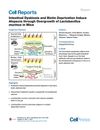
August 2017 in “Cell Reports” An imbalanced gut and lack of biotin can cause hair loss in mice.
2 citations
,
February 2024 in “International journal of molecular sciences” Gut health affects skin diseases, and probiotics might help.
 15 citations
,
January 2019 in “Mediators of inflammation”
15 citations
,
January 2019 in “Mediators of inflammation” Aloe vera fermentation helps heal burns faster by reducing inflammation and changing gut bacteria.
 February 2026 in “Probiotics and Antimicrobial Proteins”
 Modifying gut bacteria with pro- and postbiotics may help treat hair loss.

Combining nanotechnology with herbal medicine may improve PCOS treatment.
 May 2025 in “Annals of surgical case reports & images.”
 Certain gut bacteria may protect against hair loss, while others may increase the risk.
 January 2025 in “International Journal for Research Trends and Innovation”
 PCOS management benefits from combining traditional herbs, modern medicine, and lifestyle changes.
 August 2023 in “International Journal For Multidisciplinary Research”
 Millets can help manage PCOS by improving blood sugar, insulin sensitivity, and hormonal balance.
1 citations
,
November 2009 January 2026 in “Advances in Clinical Medicine”  2 citations
,
May 2022 in “Cosmetics”
2 citations
,
May 2022 in “Cosmetics” Further research is needed to understand how the microbiome affects hair loss in Alopecia Areata.
11 citations
,
December 2024 in “Stem Cell Research & Therapy” Exosomes from umbilical cord stem cells help heal complex perianal fistulas in rats.