Combining nanotechnology with herbal medicine may improve PCOS treatment.
June 2025 in “Academic Medical Journal” Vitiligo treatments are improving but relapses are common.
 May 2025 in “Frontiers in Pharmacology”
 Targeting gut microbiome and metabolome may help treat autoimmune skin diseases like alopecia areata.
March 2025 in “Medical Science of Ukraine (MSU)” Alopecia areata is an autoimmune disease causing hair loss, linked to immune and gut issues, needing more research for better treatments.
 March 2025 in “Journal of Medical Research and Surgery”
 Proper diet, monitoring, and protein supplements are crucial after bariatric surgery to prevent severe malnutrition.
 January 2025 in “International Journal for Research Trends and Innovation”
 PCOS management benefits from combining traditional herbs, modern medicine, and lifestyle changes.
December 2024 in “Food Bioscience” Limosilactobacillus fermentum MF10 helps hair grow by activating certain cell signals in mice.
July 2024 in “Journal of Investigative Dermatology” Treating gastrointestinal issues can reduce rosacea flares, and treating rosacea can lower gastrointestinal problems.
March 2024 in “Clinical and Experimental Dermatology” Having an appendectomy may increase the risk of developing alopecia areata.
 February 2024 in “Curēus”
 A balanced diet with proteins, vitamins, and minerals is crucial for managing skin disorders.
 November 2023 in “Frontiers in Neuroendocrinology”
 Some people experience lasting sexual, psychological, and sleep problems after using finasteride or SSRI antidepressants, possibly due to similar underlying causes.
 August 2023 in “International Journal For Multidisciplinary Research”
 Millets can help manage PCOS by improving blood sugar, insulin sensitivity, and hormonal balance.
 August 2023 in “Clinical, Cosmetic and Investigational Dermatology”
 Research on the human skin microbiome has grown, focusing on skin health and diseases, with more studies needed on antibiotic resistance and AI applications.
 May 2023 in “Journal of Applied Cosmetology”
 The Annurca apple supplement significantly improved hair growth in people with hair loss.
Lactobacillus and fermented Korean berry can help hair grow faster.
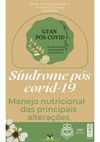 January 2023 in “Editora Conhecimento Livre eBooks”
 A balanced diet with key nutrients and possible supplements can help manage post-COVID-19 symptoms.
August 2022 in “Journal of Contemporary Medical Practice” Microbiota imbalances may contribute to acne and offer new treatment insights.
 December 2021 in “Revista da Sociedade Portuguesa de Dermatologia e Venereologia”
 Imbalance in scalp bacteria can affect hair and scalp health, potentially leading to conditions like hair loss, psoriasis, and dandruff.
April 2017 in “The FASEB journal” Low selenium levels worsen health but increase lifespan in mice.
Finasteride may cause depression and affect brain and gut health in male rats.
 69 citations
,
February 1983 in “Gut”
69 citations
,
February 1983 in “Gut” Men with coeliac disease may have hormone imbalances that could affect sexual function, but these can improve with better gut health.
 September 2021 in “bioRxiv (Cold Spring Harbor Laboratory)”
 Special gut cells help stem cells move to and fix injured areas by activating a specific signaling pathway.
8 citations
,
August 2015 in “Experimental Dermatology” Hidradenitis suppurativa may involve gut and oral bacteria, suggesting targeted treatments could help.
5 citations
,
August 2013 in “Integrative Zoology” Feathers in diet increase gut bacteria diversity in Arctic foxes.
 1 citations
,
January 2024 in “Nature communications”
1 citations
,
January 2024 in “Nature communications” Activating TLR5 in the gut can extend lifespan and improve health in aged mice.
1 citations
,
November 2022 in “Nutrients” Hair glucocorticoid levels and gut bacteria are linked to growth rates in piglets.
1 citations
,
November 2016 in “Frontiers in neurology” Steroid treatment improved both gut and nerve symptoms in a man with Cronkhite–Canada syndrome.
March 2024 in “European Journal of Neuroscience” Dopaminergic neurons in the gut have diverse subtypes with different neurotransmitter contents.
June 2023 in “bioRxiv (Cold Spring Harbor Laboratory)” Dopaminergic neurons in the gut have distinct subtypes, some releasing both dopamine and acetylcholine.
181 citations
,
December 2017 in “Trends in immunology” Intestinal intraepithelial lymphocytes are crucial for gut immunity and maintaining the mucosal barrier.