 October 2024 in “Journal of the Endocrine Society”
 A rare ovarian tumor caused high testosterone in a postmenopausal woman, resolved by surgery.
 April 2020 in “Journal of the Endocrine Society”
 A woman's high testosterone and related symptoms were caused by overactive cells in her ovaries.
March 2010 in “Gynecologic and Obstetric Investigation” Hirsutism in women can be a cosmetic issue or a sign of hormonal imbalance, treatable with hormonal and cosmetic methods.
 December 2021 in “Aegean journal of obstetrics and gynecology”
 A woman's male-like physical changes were caused by two rare ovarian conditions.
 1 citations
,
October 2012 in “Gynäkologische Endokrinologie”
1 citations
,
October 2012 in “Gynäkologische Endokrinologie” The document concludes that proper diagnosis and individualized treatment are crucial for managing androgenization in women effectively.
Doctors recommend postoperative radiation for male breast cancer, advise against testosterone for vasomotor symptoms post-adrenalectomy, suggest non-hormonal treatments for atrophic vaginitis after mastectomy, note no specific treatment for anticoagulant-induced hair loss, and call for more research on silicosis from silicon carbide exposure.
 November 2022 in “The Journal of Clinical Endocrinology and Metabolism”
 Postmenopausal hyperandrogenism, a condition with symptoms like increased hair growth and acne, is usually caused by PCOS but can also be due to other factors. It's diagnosed by checking testosterone levels and treated either by removing the adrenal tumor or through antiandrogen therapy.
66 citations
,
March 1998 in “Mayo Clinic Proceedings” Removing a testosterone-producing tumor cured a woman's sleep apnea and other symptoms.
January 2020 in “International Journal of Trichology” Androgen-producing ovarian tumors can cause male-pattern hair loss in women.
2 citations
,
March 2003 in “Endocrine Practice” The woman's symptoms and tests suggest her adrenal glands are producing too many male hormones.
 16 citations
,
July 2012 in “The New England Journal of Medicine”
16 citations
,
July 2012 in “The New England Journal of Medicine” The patient was diagnosed with anorexia nervosa and severe malnutrition, requiring urgent refeeding and monitoring.
 December 2023 in “International Journal of Dermatology”
 Adults with gender dysphoria on hormone treatment often have skin problems like acne, which are common but not always recognized.
 3 citations
,
July 2019 in “Case Reports in Obstetrics and Gynecology”
3 citations
,
July 2019 in “Case Reports in Obstetrics and Gynecology” A young woman's rare ovarian tumor was successfully removed, improving her hormonal symptoms.
 October 2023 in “Journal of the Endocrine Society”
 A woman's increased facial hair and hair loss were caused by a rare ovarian tumor, cured by surgery.
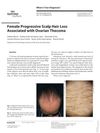 January 2019 in “Skin appendage disorders”
 A woman's hair loss was linked to a rare hormone-secreting ovarian tumor, treated with surgery and hair loss medication.
 July 2024 in “Journal of Pediatric Endocrinology and Metabolism”
 Ovarian hyperthecosis should be considered in young women with severe male-like symptoms and can be managed with hormone treatments.
 1 citations
,
December 1998 in “PubMed”
1 citations
,
December 1998 in “PubMed” Surgery on a 68-year-old woman with an ovarian tumor led to reduced hirsutism and normal testosterone levels.
9 citations
,
November 2014 in “Indian Journal of Endocrinology and Metabolism” A 15-year-old girl with rare reproductive disorders received hormone therapy to develop secondary sexual traits, but infertility persisted.
The case showed the need for quick investigation of virilization in women and how emotional health is linked to physical health.
 July 2023 in “The Journal of Clinical Endocrinology and Metabolism”
 Gender-affirming hormone therapy improves physical performance in trans men to the level of cisgender men, while in trans women, it increases fat mass and decreases muscle mass, with no advantage in physical performance after 2 years.
 October 2024 in “Journal of the Endocrine Society”
 Bilateral salpingo-oophorectomy resolved hyperandrogenism in a postmenopausal woman with rare ovarian tumors.
April 2019 in “Journal of the Endocrine Society” Bilateral ovarian hyperthecosis is a rare but treatable cause of increased facial hair in postmenopausal women.
4 citations
,
December 2024 in “JAAD Case Reports” Nirogacestat can cause severe skin issues like hidradenitis suppurativa.
 2 citations
,
January 2018 in “Journal of The European Academy of Dermatology and Venereology”
2 citations
,
January 2018 in “Journal of The European Academy of Dermatology and Venereology” Almost 40% of Greek women with acne show signs of androgen-related disorders, with adult women more likely affected.
 56 citations
,
February 2006 in “American journal of physiology. Cell physiology”
56 citations
,
February 2006 in “American journal of physiology. Cell physiology” Steroid sex hormones activate matriptase in prostate cancer cells but not in breast cancer cells.
March 2016 in “The Journal of Urology” The discovery of 5α-reductase deficiency in guevedoces led to the development of important urologic medications.
 June 2026 in “Romanian Journal of Medical Practice”
 Surgery resolved hormone imbalance and symptoms in a rare ovarian tumor case in an elderly woman.
9 citations
,
March 2009 in “Endocrine Practice” October 2025 in “Journal of Obstetric and Gynaecological Practices POGS”  67 citations
,
April 2018 in “JAMA Dermatology”
67 citations
,
April 2018 in “JAMA Dermatology” Hair loss from hormone therapy in breast cancer patients can be improved with minoxidil treatment.