31 citations
,
June 2010 in “Journal of dermatology” Hair bleaching causes significant damage to hair and skin.
 July 2007 in “Clinical Risk”
 A woman got severe scalp burns from a salon's improper hair bleaching treatment.
30 citations
,
September 2018 in “International Journal of Cosmetic Science” Bleaching hair causes severe structural and chemical damage, including protein loss and oxidation.
December 2025 in “Journal of Forensic Sciences” Bleaching hair doesn't affect the accuracy of dye identification using SERS.
 May 2026 in “Brazilian Journal of Hair Health”
 Bleaching damages hair the most, while dyes improve combability but still cause protein loss.

Hair coloring and bleaching can permanently break down hair protein and temporarily change its properties.
 5 citations
,
July 2006 in “Contact dermatitis”
5 citations
,
July 2006 in “Contact dermatitis” Ammonium bisulfite in hair bleach can cause facial eczema.
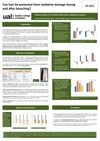 September 2018 in “University of the Arts London Research Online (University of the Arts London)”
 L-arginine, hydrolysed keratin, and cystine-silanol copolymer can help protect hair from damage during and after bleaching.
3 citations
,
September 2021 in “Data in brief” Bleaching hair changes its structure and weakens it, which is important for understanding hair damage and creating treatments.
 6 citations
,
February 2016 in “International Journal of Dermatology”
6 citations
,
February 2016 in “International Journal of Dermatology” The true cause of hair suddenly turning white is still unknown.
April 2023 in “Pharmacognosy Magazine” Cerasus serrulata flower extracts can help turn grey hair black again.
 September 2019 in “Acta scientific microbiology”
 No link between how fast you breathe and early grey hair was found.
24 citations
,
April 2016 in “Experimental Dermatology” Chemical treatments like dyeing, perming, and bleaching damage hair by altering amino acids and lipids.
 5 citations
,
May 2022 in “Fashion and Textiles”
5 citations
,
May 2022 in “Fashion and Textiles” Hair conditioners with argan oil or camellia oil improve the strength and color of bleached hair.
157 citations
,
April 1997 in “International journal of legal medicine” Cosmetic hair treatments like bleaching and dyeing reduce drug levels in hair samples.
 36 citations
,
October 2014 in “Langmuir”
36 citations
,
October 2014 in “Langmuir” Bleaching hair removes its protective top layer and exposes more hydrophilic groups, changing its chemical surface and affecting how it interacts with products.
 22 citations
,
October 2014 in “International Journal of Trichology”
22 citations
,
October 2014 in “International Journal of Trichology” Hair restoration surgery can lead to swelling, infections, scarring, numbness, hiccups, and poor hair growth.
 20 citations
,
June 2012 in “British Journal of Dermatology”
20 citations
,
June 2012 in “British Journal of Dermatology” Bleaching hair damages protein structure, especially keratin, leading to weakened hair.
 12 citations
,
January 2020 in “Analyst”
12 citations
,
January 2020 in “Analyst” Researchers found markers that can tell if hair has been bleached, which could improve hair test accuracy.
6 citations
,
January 1988 in “PubMed” Swimming in pools with high copper can turn hair green, especially if hair is damaged.
 3 citations
,
January 2007 in “Journal of health science”
3 citations
,
January 2007 in “Journal of health science” The enzymatic method can effectively identify chemical treatments on hair.
2 citations
,
June 2018 in “Cosmetics” AMPD is a better and less damaging alternative to ammonium hydroxide for hair bleaching.
1 citations
,
October 2023 in “PloS one” Cosmetic hair treatments can increase hair testosterone levels, while natural hair color does not affect it.
1 citations
,
February 1989 in “PubMed” Electrophoresis can effectively analyze hair proteins for forensic use, even after cosmetic treatments and up to 2 years of weathering.
Using aluminum foil for hair bleaching gives better copper blonde color.
September 2015 in “Research Portal (King's College London)” Human hair movement is affected by its inner structure and chemical treatments.
3 citations
,
July 2023 in “Acta Biomaterialia” PepACS offers a safer, eco-friendly way to perm, dye, and repair hair.
4 citations
,
August 2016 in “PubMed” Repeated dyeing and shampooing cause hair color loss and damage.
 63 citations
,
August 1996 in “Forensic Science International”
63 citations
,
August 1996 in “Forensic Science International” Cosmetic treatments like bleaching and perming can greatly reduce opiate levels in hair, possibly leading to false-negative drug tests.
33 citations
,
June 1995 in “International journal of legal medicine” Environmental factors can greatly reduce drug levels in hair.