 90 citations
,
June 2006 in “The American Journal of Dermatopathology”
90 citations
,
June 2006 in “The American Journal of Dermatopathology” The document concludes that accurate diagnosis of different types of hair loss requires careful examination of hair and scalp tissue, considering both clinical and microscopic features.
 72 citations
,
July 2008 in “Dermatologic Therapy”
72 citations
,
July 2008 in “Dermatologic Therapy” CCCA is a scarring hair loss condition mainly in African descent women, possibly caused by genetics and hairstyling, treated with gentle hair care and medications.
 44 citations
,
April 2012 in “American Journal of Clinical Dermatology”
44 citations
,
April 2012 in “American Journal of Clinical Dermatology” Scarring alopecias are complex hair loss disorders that require early treatment to prevent permanent hair loss.
 44 citations
,
November 1998 in “Australasian Journal of Dermatology”
44 citations
,
November 1998 in “Australasian Journal of Dermatology” Accurate diagnosis is key for treating different kinds of hair loss, and immune response variations may affect the condition and treatment results.
 30 citations
,
January 2014 in “Dermatologic Clinics”
30 citations
,
January 2014 in “Dermatologic Clinics” Tight hairstyles, especially on chemically treated hair, can cause reversible hair loss if caught early but may become permanent if not addressed.
 19 citations
,
August 2013 in “Facial Plastic Surgery Clinics of North America”
19 citations
,
August 2013 in “Facial Plastic Surgery Clinics of North America” Children's hairlines change shape as they grow, with women often developing a widow's peak and men's hairlines becoming more convex and possibly balding at the temples, influenced by genetics and hormones.
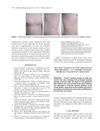 17 citations
,
March 2011 in “Pediatric Dermatology”
17 citations
,
March 2011 in “Pediatric Dermatology” Two Sikh brothers developed permanent hair loss from wearing turbans tightly, a condition that became apparent after they moved to Austria.
 16 citations
,
July 1996 in “Dermatologic Clinics”
16 citations
,
July 1996 in “Dermatologic Clinics” Some psychiatric drugs can cause skin problems, but serious reactions are rare.
 7 citations
,
November 2000 in “Clinics in Dermatology”
7 citations
,
November 2000 in “Clinics in Dermatology” Most hair loss in children is caused by a few common conditions and is easy to diagnose, but rare types require careful evaluation.
4 citations
,
November 2024 in “Anais Brasileiros de Dermatologia” Various factors like genetics, pollution, and lifestyle choices can damage hair over time.
4 citations
,
November 2017 in “PubMed” Miracle fruit seed oil significantly reduces hair breakage in women with damaged hair.
1 citations
,
May 2022 in “International Journal of Trichology” Hair camouflage techniques can help manage hair loss and boost confidence.
 1 citations
,
October 2000 in “Pediatrics in Review”
1 citations
,
October 2000 in “Pediatrics in Review” The document says that hookworms are treated with mebendazole and stress-related hair loss usually gets better in 6 months, while other hair loss types have specific treatments.
 January 2026 in “Clinical Cosmetic and Investigational Dermatology”
 Early diagnosis and targeted anti-inflammatory treatments can improve outcomes in androgenetic alopecia with perifollicular inflammation and fibrosis.
January 2026 in “Health Science Reports” Personalized hair care can help manage hair-focused repetitive behaviors.

Consider cultural practices and barriers for effective alopecia areata treatment.
February 2025 in “Journal of Women & Aging” Older Black women in the UK feel more confident and engaged when their hair is visible and celebrated.
 January 2017 in “Journal of Investigative Dermatology Symposium Proceedings”
 The 2015 Hair Research Congress concluded that stem cells, maraviroc, and simvastatin could potentially treat Alopecia Areata, topical minoxidil, finasteride, and steroids could treat Frontal Fibrosing Alopecia, and PTGDR2 antagonists could also treat alopecia. They also found that low-level light therapy could help with hair loss, a robotic device could assist in hair extraction, and nutrition could aid hair growth. They suggested that Alopecia Areata is an inflammatory disorder, not a single disease, indicating a need for personalized treatments.
 July 2012 in “Springer eBooks”
 The document concludes that proper diagnosis and treatment of nonscarring alopecias can improve quality of life and hair regrowth is possible as the hair follicle remains intact.
 24 citations
,
January 2008 in “KARGER eBooks”
24 citations
,
January 2008 in “KARGER eBooks” The document concludes that ongoing research using animal models is crucial for better understanding and treating Alopecia Areata.
 59 citations
,
September 2008 in “Experimental dermatology”
59 citations
,
September 2008 in “Experimental dermatology” Both mouse and rat models are effective for testing alopecia areata treatments.
 41 citations
,
February 2001 in “Current pharmaceutical design”
41 citations
,
February 2001 in “Current pharmaceutical design” Current and future treatments for alopecia areata focus on immunosuppression, immunomodulation, and protecting hair follicles.
 30 citations
,
December 2001 in “Experimental dermatology”
30 citations
,
December 2001 in “Experimental dermatology” Gonadal hormones significantly affect the severity of alopecia areata in mice.
 June 2015 in “Biomedical and biopharmaceutical research”
 The congress showed advancements in skin hydration, barrier function, and safe, effective new cosmetic formulations.
 21 citations
,
February 2009 in “Journal of the American Academy of Dermatology”
21 citations
,
February 2009 in “Journal of the American Academy of Dermatology” Some cases of tinea capitis, a fungal scalp infection, can look like scarring hair loss due to the body's immune response and the fungus itself.
 15 citations
,
November 2012 in “International Journal of Dermatology”
15 citations
,
November 2012 in “International Journal of Dermatology” The conclusion is that hair loss from CCCA may be genetic and not solely caused by hair grooming practices.
 July 2018 in “Elsevier eBooks”
 Stopping tight hairstyles can prevent and reduce traction alopecia.
 May 2019 in “Paediatrics and child health”
 The document concludes that personalized treatment, including lifestyle changes and medication, is essential for managing PCOS in teenagers, while also addressing their psychological well-being.
 41 citations
,
June 2018 in “Medicine Health Care and Philosophy”
41 citations
,
June 2018 in “Medicine Health Care and Philosophy” The article suggests using four questions to tell apart necessary medicalization from excessive medicalization, focusing on problem significance, social expectations, medical understanding, and effective resolution.

Adding aesthetic therapies to medications doesn't improve male pattern baldness treatment.