 58 citations
,
June 1987 in “Archives of Dermatological Research”
58 citations
,
June 1987 in “Archives of Dermatological Research” EGF and FGF boost hair cell growth, hydrocortisone slows it, and minoxidil doesn't affect it.
22 citations
,
July 1990 in “Acta Dermato Venereologica” High levels of testosterone and dihydrotestosterone inhibit hair cell growth, while high levels of estradiol promote it.
9 citations
,
March 1987 in “British Journal of Dermatology” EGF and FGF can boost hair growth by speeding up cell growth.
5 citations
,
January 1989 Testosterone and dihydrotestosterone slow hair cell growth, while estradiol has no effect.
January 2011 in “Archivio Istituzionale della Ricerca (Universita Degli Studi Di Milano)” New molecules can prevent cell death in hair follicles.
 20 citations
,
August 2015 in “International Journal of Molecular Medicine”
20 citations
,
August 2015 in “International Journal of Molecular Medicine” Human placental extract may help hair growth by affecting certain cell signals and could be more effective with minoxidil.
 December 2010 in “Faculty Opinions – Post-Publication Peer Review of the Biomedical Literature”
 New cells join the hair's dermal papilla during the growth phase, possibly affecting hair thickness.
 57 citations
,
November 1998 in “Wound Repair and Regeneration”
57 citations
,
November 1998 in “Wound Repair and Regeneration” Hair papilla cells can create and regenerate hair bulbs under the right conditions.
 3 citations
,
September 2021 in “Journal of Food Science and Nutrition”
3 citations
,
September 2021 in “Journal of Food Science and Nutrition” Red Ginseng Extract helps hair grow and improves skin health by stimulating cell growth and enhancing the body's antioxidant defense system.
36 citations
,
November 1990 in “The Journal of Dermatology” Dermal papillae enhance hair follicle growth and structure.
January 2006 in “Chinese Journal of Dermatology” Mesenchymal cells are essential for hair follicle stem cell growth.
 314 citations
,
April 2010 in “Developmental Cell”
314 citations
,
April 2010 in “Developmental Cell” β-catenin in the dermal papilla is crucial for normal hair growth and repair.
 22 citations
,
October 2019 in “International Journal of Nanomedicine”
22 citations
,
October 2019 in “International Journal of Nanomedicine” The nanoparticles improved hair growth and enlarged hair bulbs.
October 2019 in “DOAJ (DOAJ: Directory of Open Access Journals)” The nanoparticles effectively deliver herbal extract to enhance hair growth.
November 2010 in “Faculty Opinions – Post-Publication Peer Review of the Biomedical Literature” Mesenchymal stem cells from bone marrow and umbilical cord can help regenerate hair follicles.
Testosterone and dihydrotestosterone can slow down the growth of certain hair follicle cells.
46 citations
,
November 1998 in “Experimental Cell Research” K15 gene is mainly active in the basal layers of hair follicles and epithelia, aiding early skin cell development.
25 citations
,
October 1975 in “Journal of Cutaneous Pathology” Hair growth in alopecia areata is hindered due to impaired cell activity in the surrounding tissue.
 April 2017 in “Journal of Investigative Dermatology”
 Scientists created a tiny, 3D model of a hair follicle that grows and acts like a real one.

Qu-shi-yu-fa Decoction may help treat hair loss by promoting hair growth and strengthening hair follicles.
 15 citations
,
September 1999 in “British Journal of Dermatology”
15 citations
,
September 1999 in “British Journal of Dermatology” Epimorphin, a protein, plays a key role in the development of hair follicles in human fetuses, but it doesn't help in maintaining the stem cell population of the follicular skin layer.
8 citations
,
March 2009 in “Differentiation” Adult vibrissa follicle stem cells can regenerate hair follicles, glands, and skin.
6 citations
,
January 1994 in “Skin Pharmacology and Physiology” Dermal papillae are crucial for hair growth and follicle development.
 27 citations
,
February 2017 in “Biomedicine & Pharmacotherapy”
27 citations
,
February 2017 in “Biomedicine & Pharmacotherapy” White wax and policosanol from white wax effectively reduced hair loss and promoted hair growth in mice better than a known hair growth drug.
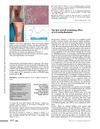 3 citations
,
November 2011 in “European Journal of Dermatology”
3 citations
,
November 2011 in “European Journal of Dermatology” 4-O-methylhonokiol from Magnolia officinalis significantly promotes hair growth.
 2 citations
,
February 2015 in “Journal of Tissue Engineering and Regenerative Medicine”
2 citations
,
February 2015 in “Journal of Tissue Engineering and Regenerative Medicine” Transplanting a mix of specific skin cells can significantly improve the repair of damaged hair follicles.
57 citations
,
April 2009 in “Differentiation” SDF-1/CXCL12 and its receptor CXCR4 are crucial for melanocyte movement in mouse hair follicles.
 1 citations
,
August 1994 in “Journal of Cutaneous Pathology”
1 citations
,
August 1994 in “Journal of Cutaneous Pathology” Hair loss happens due to faster cell growth and fewer cells in affected follicles.
72 citations
,
January 1983 in “The Anatomical Record” Epidermal growth factor delays skin and hair development in mice.
 November 2024 in “bioRxiv (Cold Spring Harbor Laboratory)”
 Exosomes from bovine colostrum may be effective for hair growth and slowing hair loss.